
Rabah Arkam
Identity struggle: Kabylia of yesterday and today, hostage of the Algerian authoritarian regime
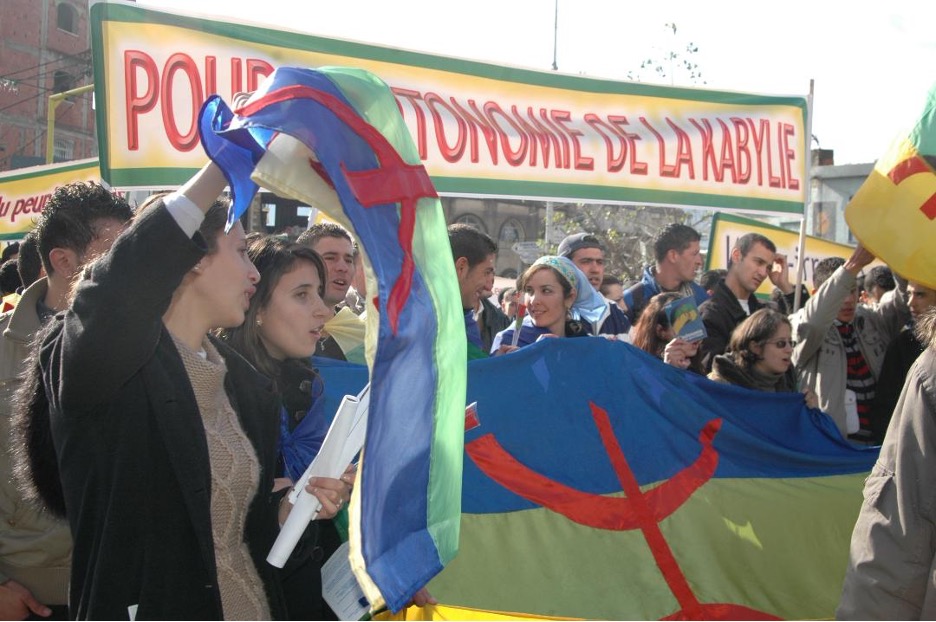
From the so-called “Berberist” crisis of 1949 to the present day, the Kabyle question is at the heart of contemporary history. Independent Algeria, born in the heat of a war of liberation to which the contribution of Kabylia was fundamental,…
Iran: an unprecedented uprising against a brutal and dangerous regime
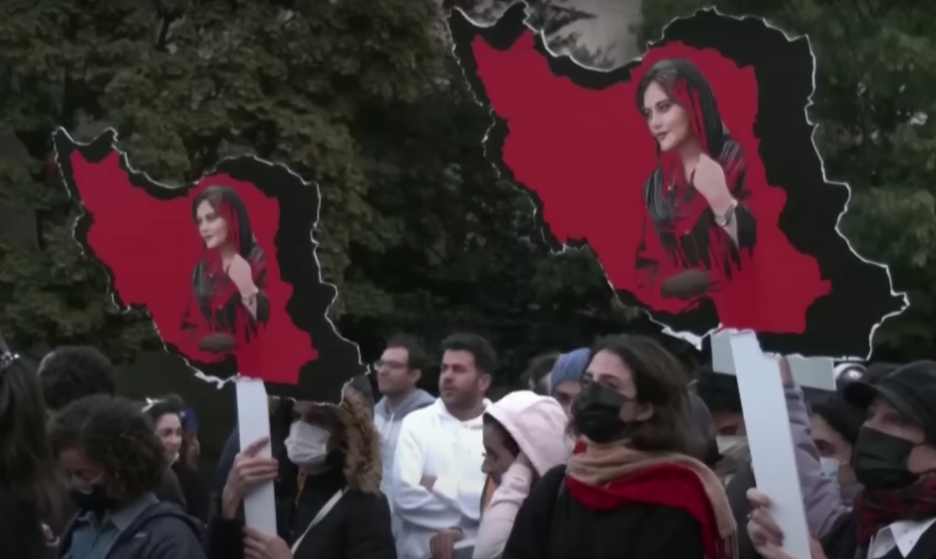
A totally unprecedented revolt that stands out from all the previous ones because it was women who took the initiative to defend their right to choose their clothes and the systematic inequalities between the sexes prescribed and applied by the…
Against advertising that denigrates the image of Peruvian women
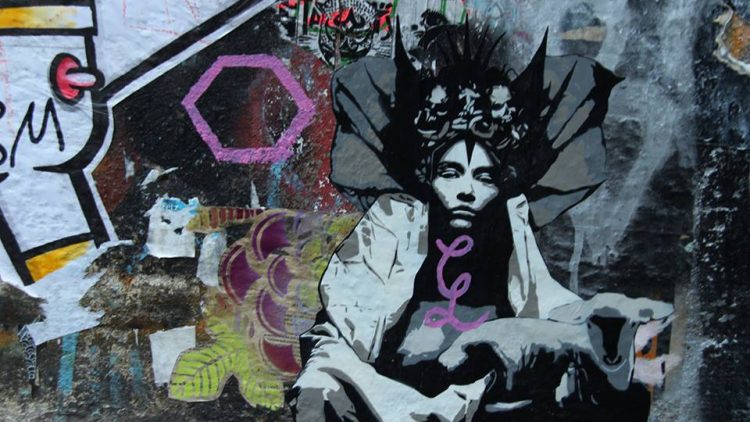
In a previous article, I commented that the poor use of the image of women in Peruvian advertising is a field that has not yet been studied sufficiently well in Peru, although there are approaches from the communication sciences, the…
Algerians missing at sea: risking their lives
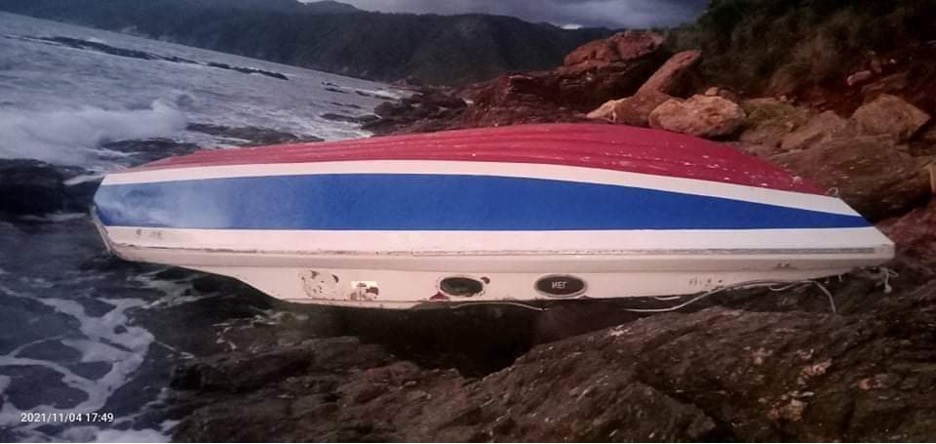
Since 2021, more than 400 Algerian harraga have disappeared at sea, the darkest year for Algerian harraga (Harrag in the singular of Algerian Arabic, “those who burn”) cross the Mediterranean Sea in light boats to reach the southern coasts from…
North Africa: Kabylia the soul of the Berbers
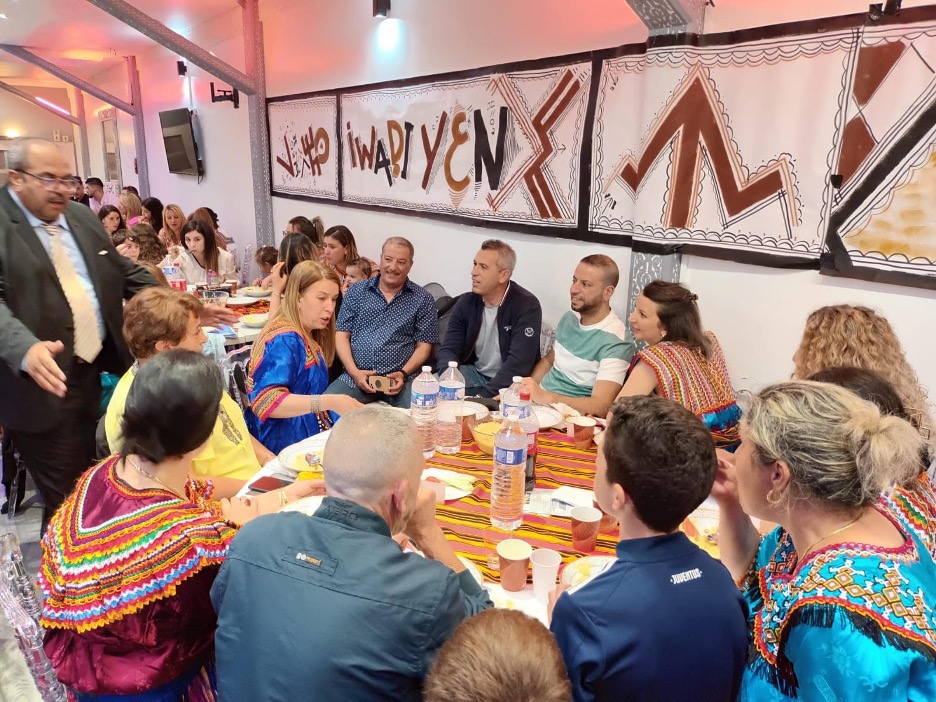
In telling the name of the Kabylia homeland (Tamurt n Leqbayel), in its brilliant exile the heart quivers. It resounds from afar in the tender soul, like the known footsteps or the mountains of Djurdjura veiled by the mist of…
Berber New Year 2972: deprivation of liberty and mass arrests in Kabylia

Like every year in North Africa, the New Year takes place on a date which corresponds to January 12 of the Gregorian calendar. The year 2022 corresponds to the year 2972 of the Berber calendar (Amazigh calendar). Unfortunately, this year…
North Africa: Kabylia facing the Algerian colonial regime
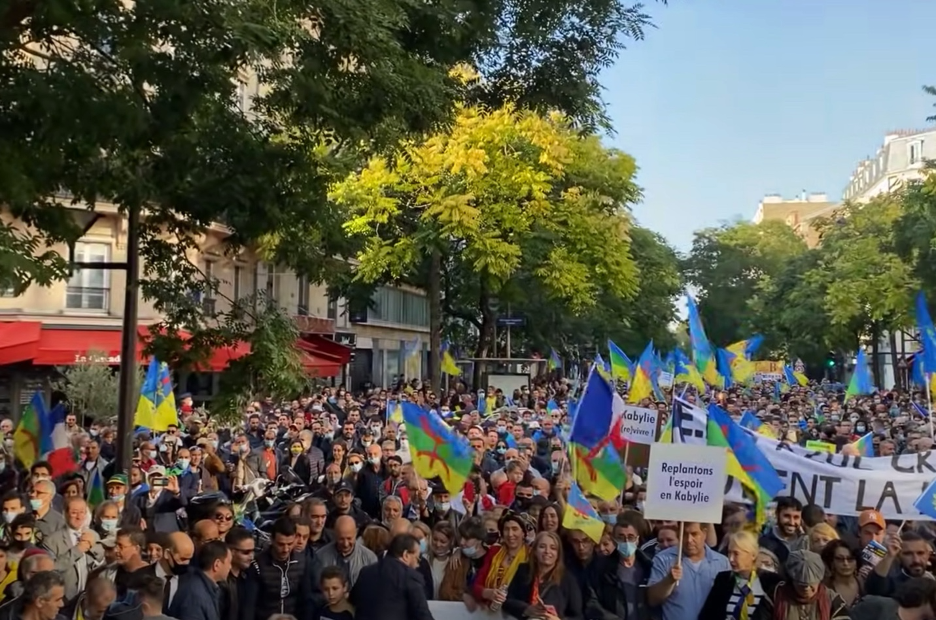
Kabylia is inhabited by a people of peace who aspire to free themselves from all forms of colonialism, they fight peacefully for their freedoms and their autonomy in order to build a modern and free nation. Kabyle activists are subject…
Matoub Lounes: a symbol of Kabyle resistance
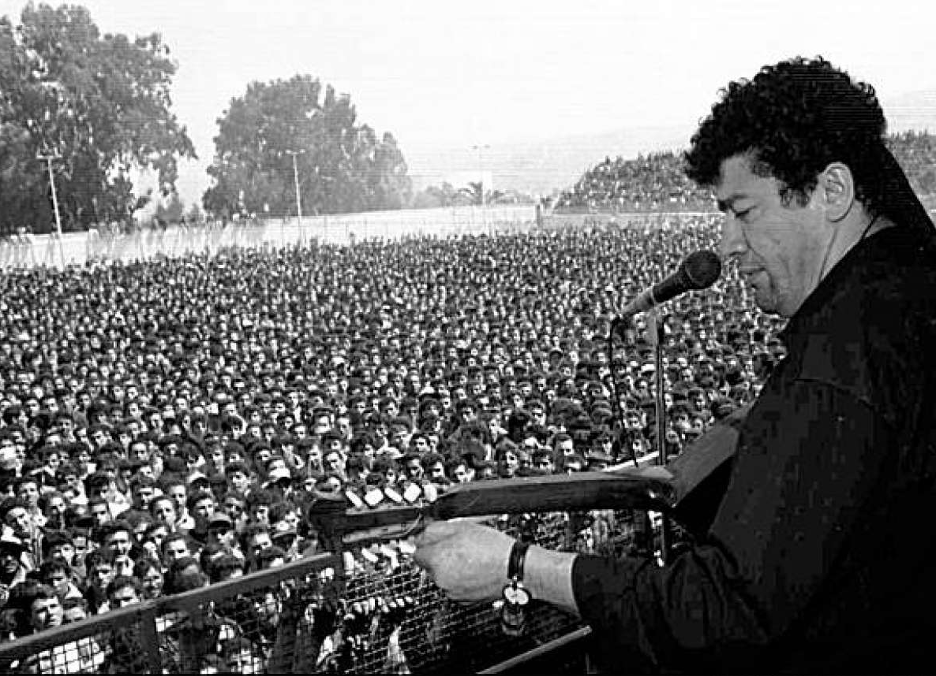
Lounes Matoub was born on January 24, 1956 in the village of Taourirt Moussa in Kabylia, is a musician, singer-songwriter and Kabyle poet. Militant of the Amazigh identity cause, he made his contribution to the claim and popularization of Amazigh…
The Rif Republic: a self-proclaimed and internationally unrecognized state
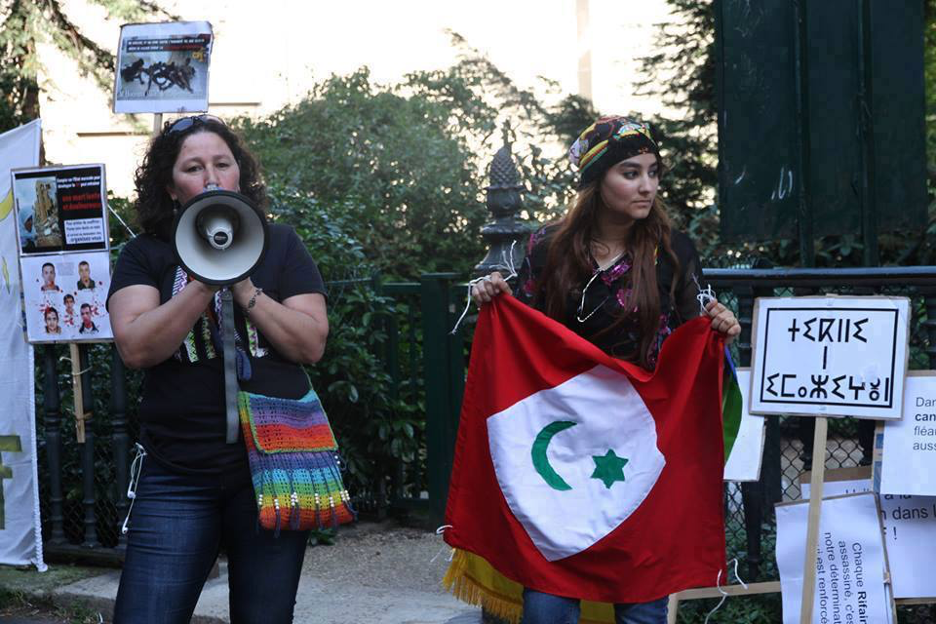
The Rif Republic (Tagduda n Arrif) in Berber, is a state bordered by the Mediterranean Sea to the north, Algeria to the east, the plains separating it from Morocco to the south and the Atlantic Ocean to the west. Composed…
A past of exclusion: the abuses of the Algerian regime against the Kabyle people
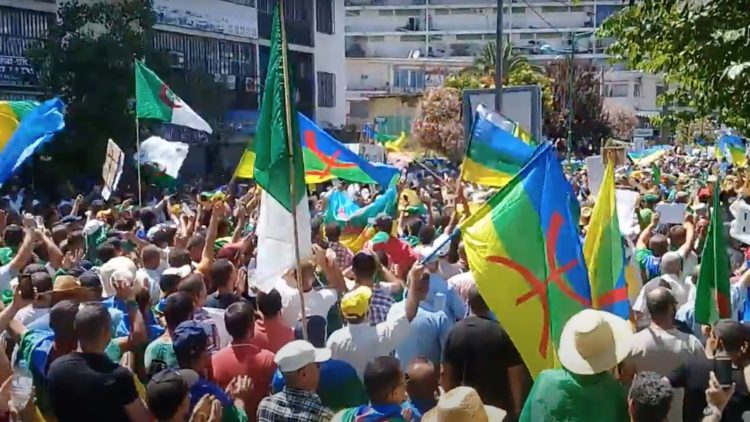
Independent Algeria was born in 1962. However, Kabylia, as a region is the base of a population with its own characteristics and social organization, is the product of a long history. This indigenous population, the first inhabitants to arrive in…
Book catalogue
Training in Nonviolent Journalism
Documentary Catalogue

Every Sunday