

Rabah Arkam
The Algerian Language: A Plural Linguistic Heritage
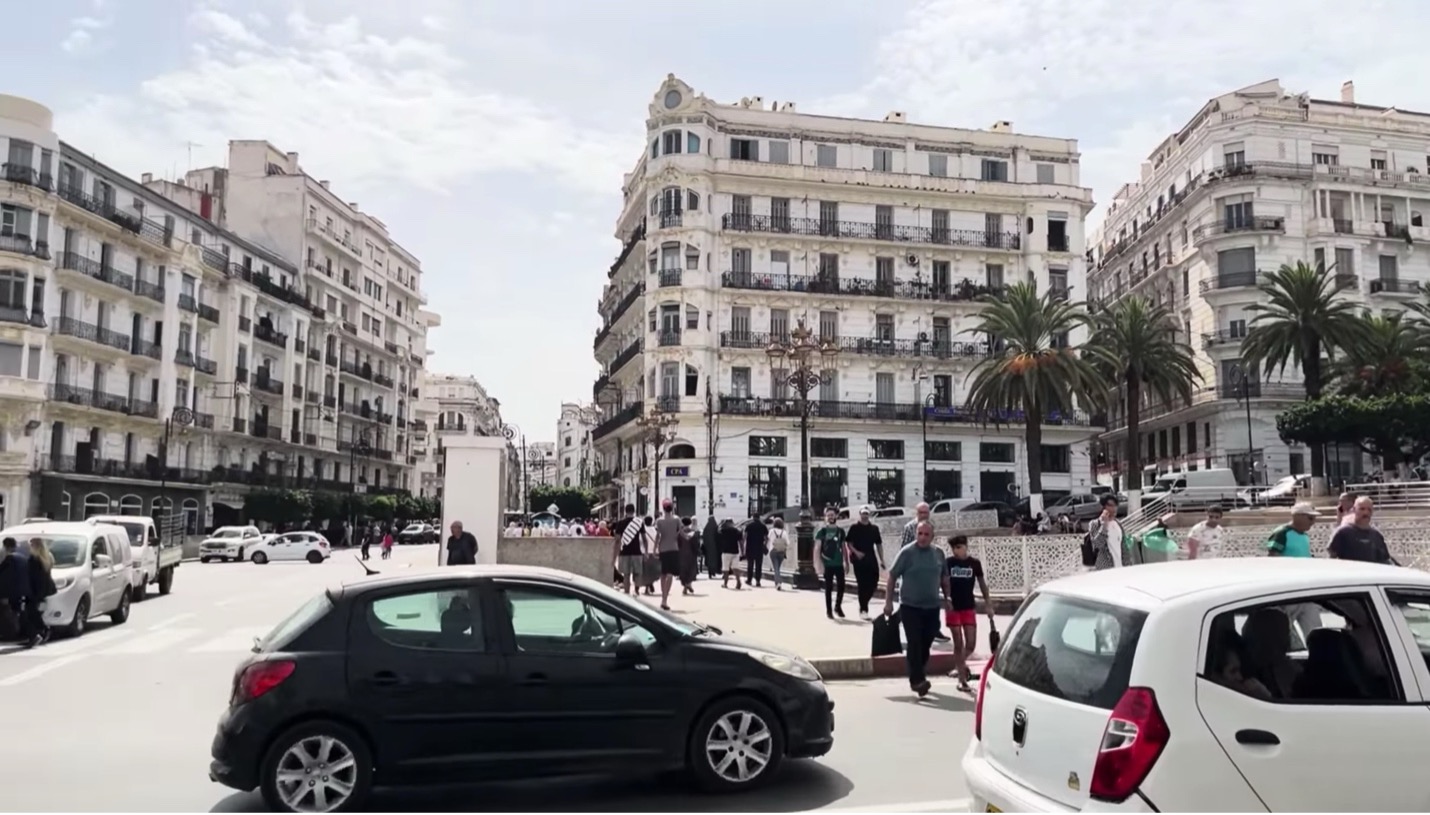
The Algerian language, commonly referred to as Darija, constitutes a complex linguistic phenomenon resulting from a long history of cultural contact and social transformation. It developed progressively through interactions between different populations that inhabited or passed through the territory of…
When Ideology Denies DNA: The Arabization of Algeria
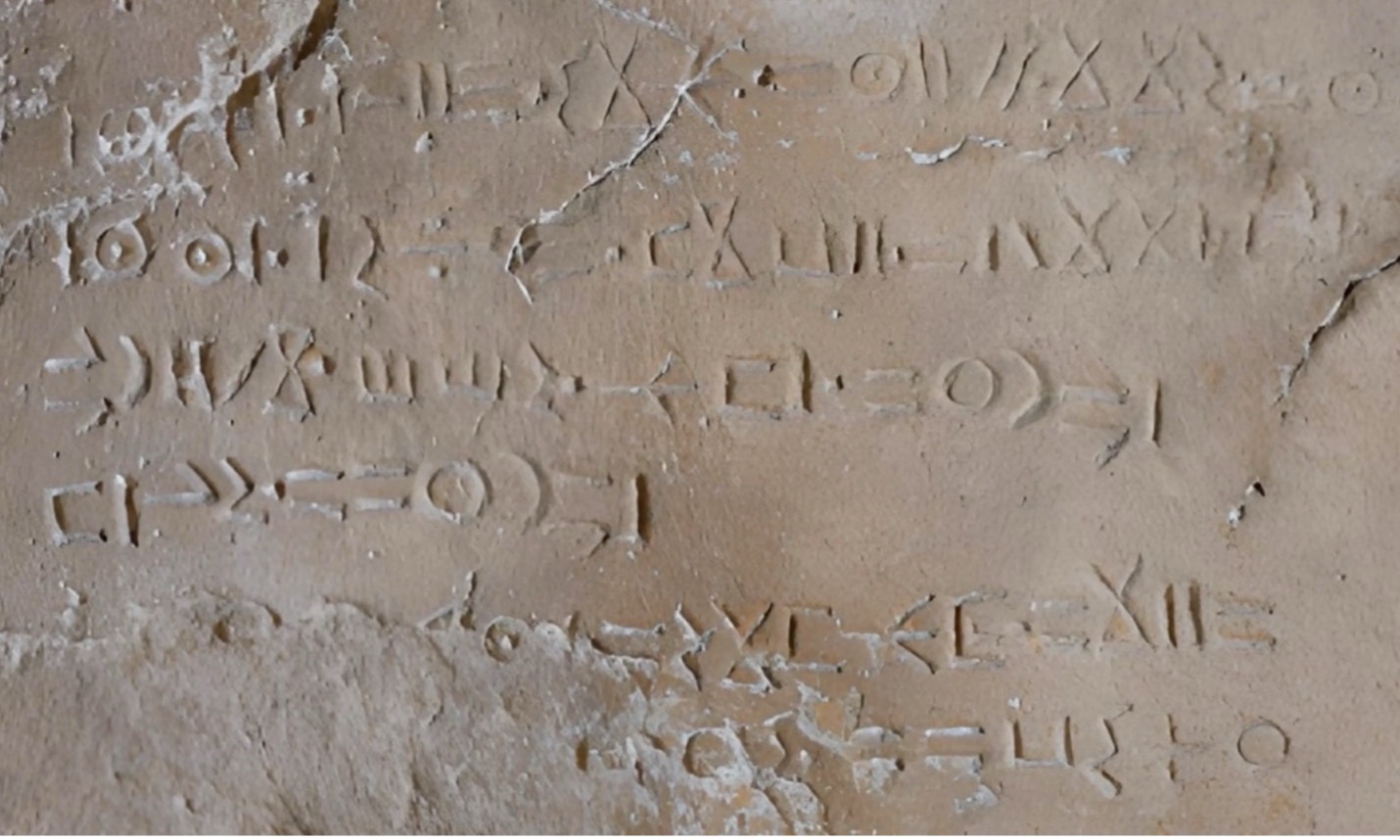
For a long time, Algerian identity has been presented through a narrow and selective lens. Many Algerians were taught, directly or indirectly, that their origins were mainly Arab, as if the country’s history began only with the arrival of Arab-speaking…
Kabylia: A History That Cannot Be Erased
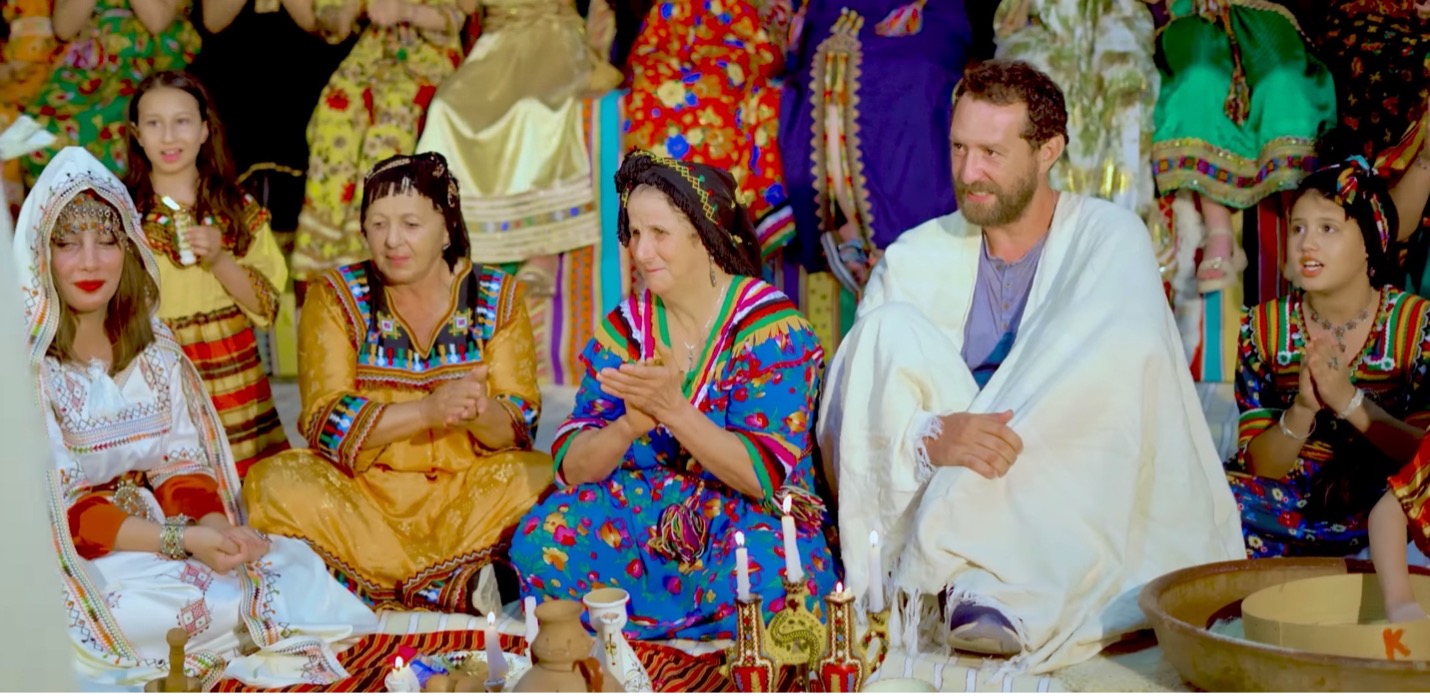
This region is not a slogan, nor a mere administrative territory. It is a living memory, a language that has endured for centuries, and a distinct way of being in the world that shapes thought, community, and daily life. Too…
Jews and Their Contributions to the World
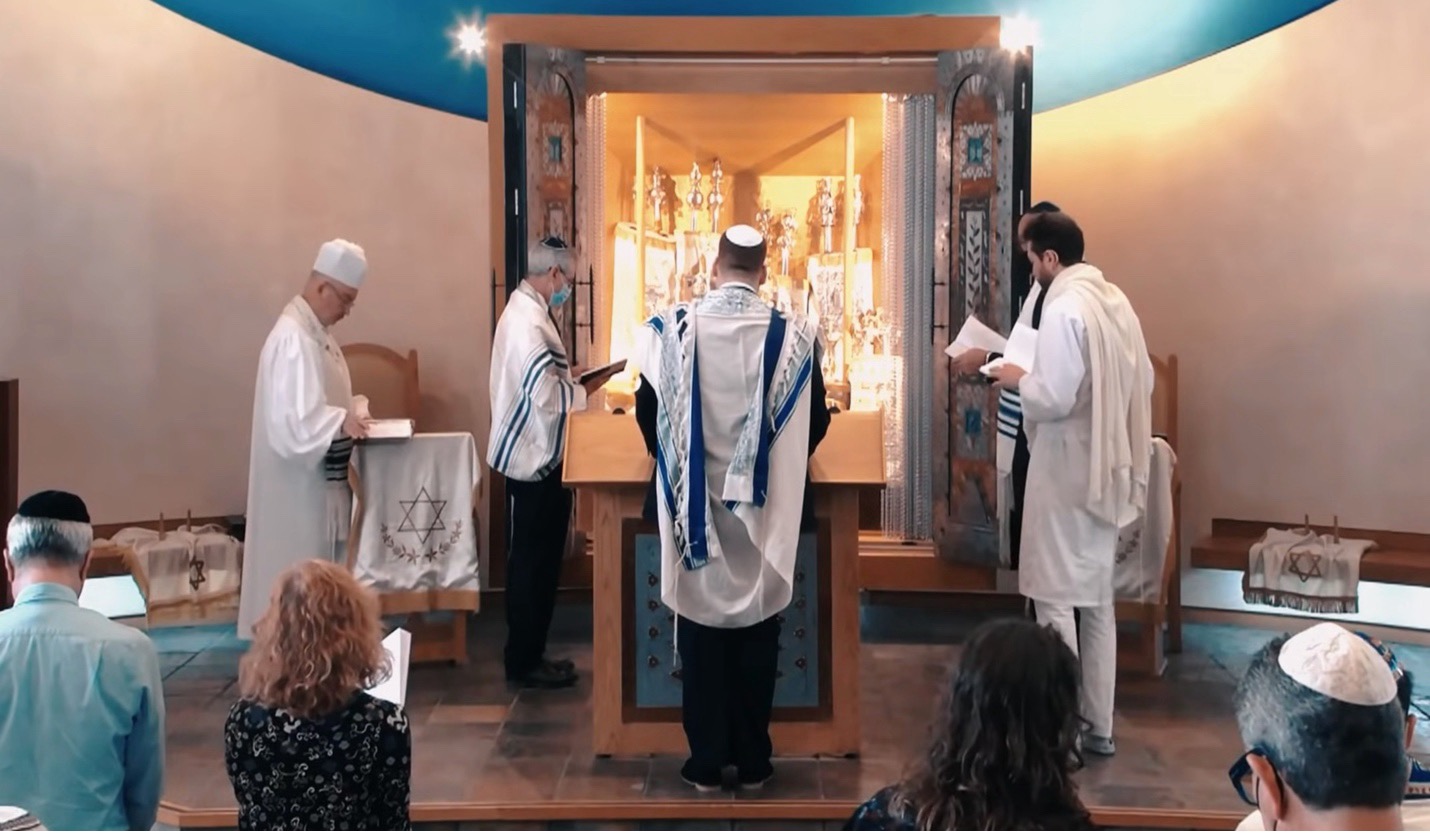
Throughout history, Jews have made remarkable contributions to science, culture, and the arts. Their curiosity, creativity, and intelligence have shaped the world in profound ways, leaving a legacy that continues to inspire people everywhere. Despite facing challenges, persecution, and displacement,…
Bangkok and Kabylia: Spirituality and Cultural Resistance
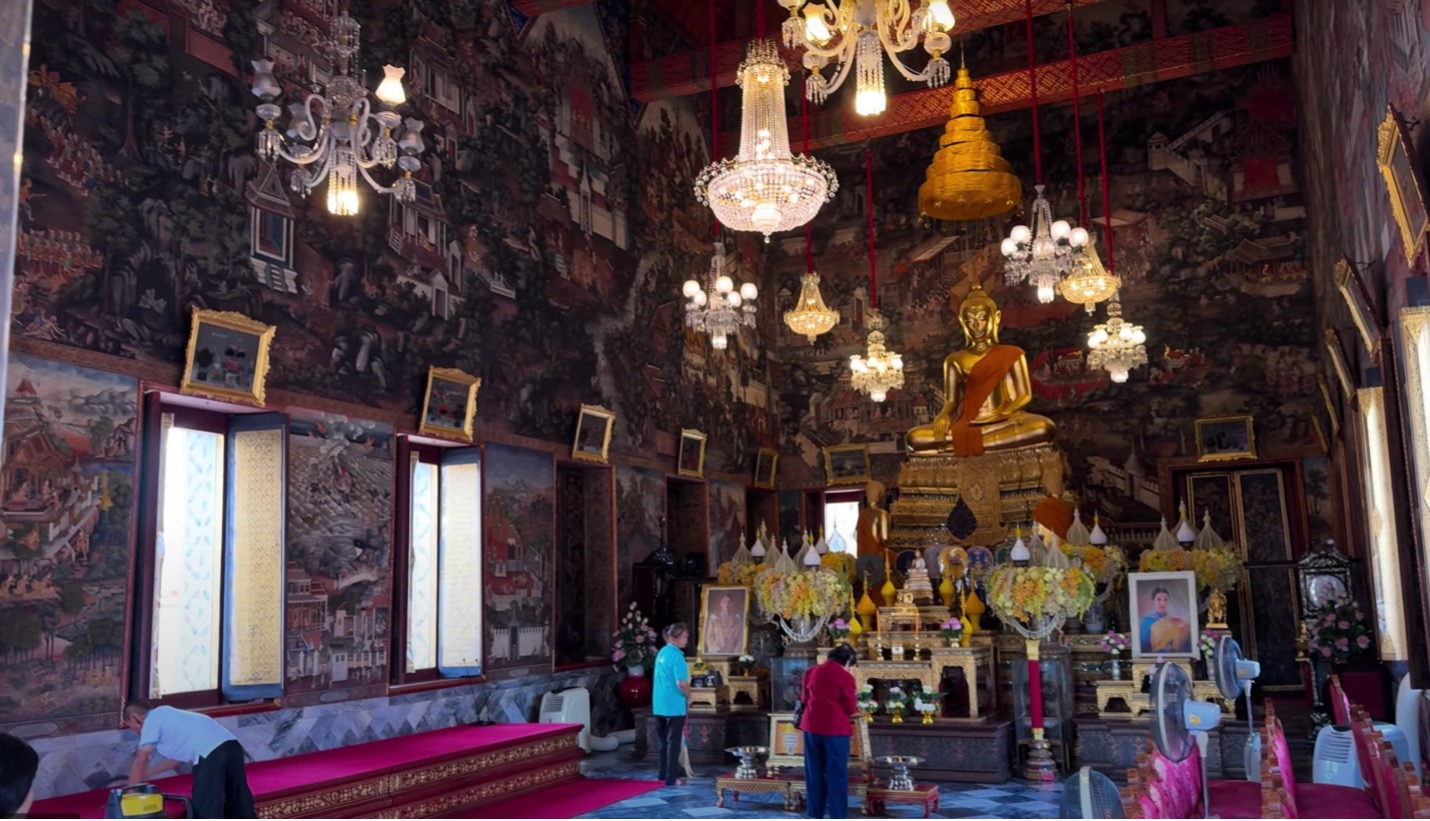
In a world marked by globalization and cultural standardization, some people continue to preserve a strong and ancient spirituality. Bangkok, the capital of Thailand, and Kabylia, an Amazigh region in Algeria, are two examples. Despite the distance and religious differences,…
Amazigh North Africa: Beyond the “Maghreb” Concept
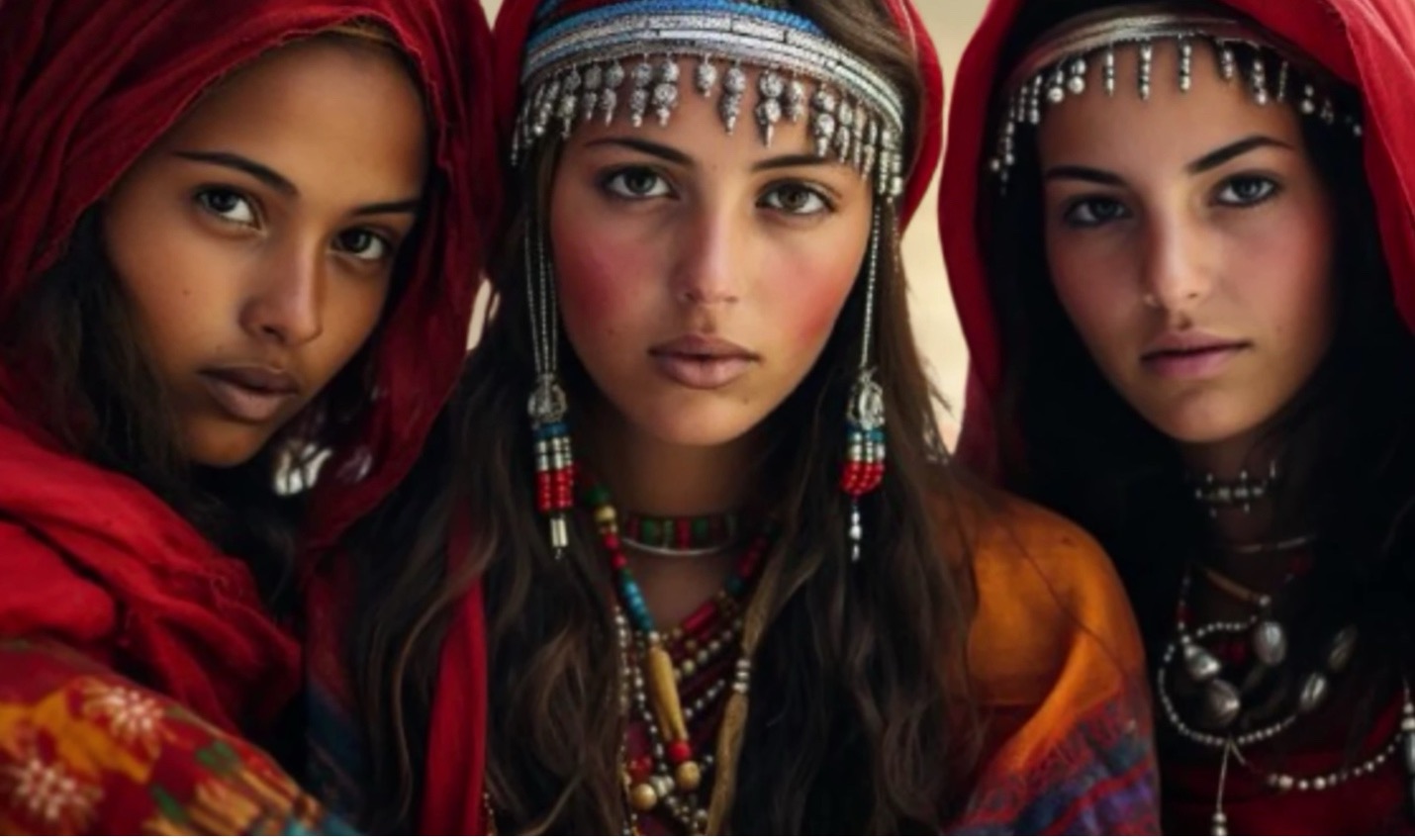
North Africa holds a distinctive place in the history of both the Mediterranean and African worlds. Commonly known as the ‘Maghreb,’ this region has a far richer and older history than the term implies. In-depth academic research reveals that North…
Yennayer 2976: The Amazigh New Year
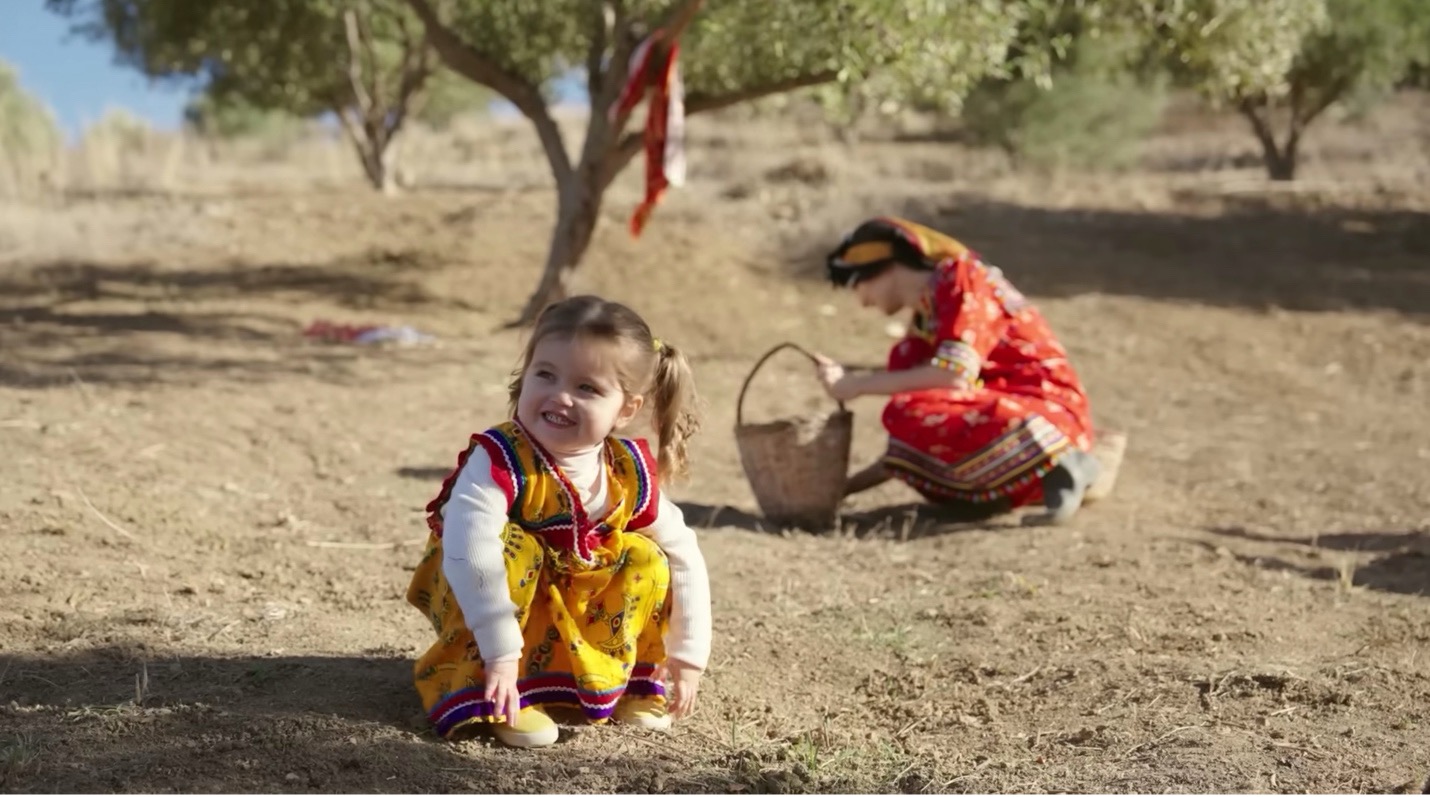
Every year on January 12th, Amazigh people across North Africa celebrate Yennayer, their traditional New Year. In the Amazigh language, it is called Aseggas Ameggaz, which means “Happy New Year.” This year, the Amazigh calendar counts the year 2976. Yennayer…
Kabyles in the Pacific: Survival and Identity Across Oceans

The presence of Kabyles in the Pacific emerges from complex historical processes, encompassing both forced exile and voluntary migration. In the 19th century, French colonial authorities implemented repressive measures to suppress resistance in Algeria, particularly following the 1871 revolt in…
Amar Imache: The Forgotten Architect of a Plural Algeria
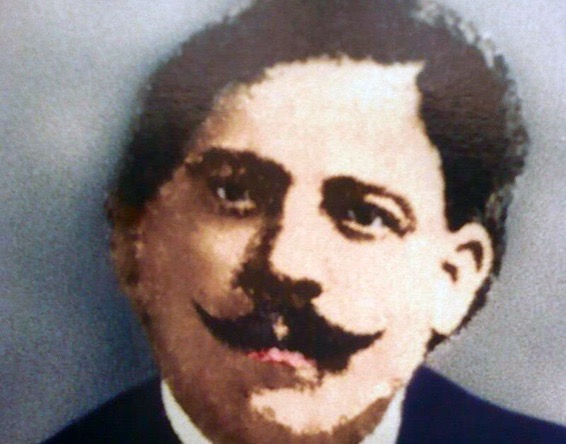
Official Algerian historiography has elevated certain figures of the national movement while relegating other major actors to relative marginalization. Among these forgotten figures is Amar Imache (Ɛmer Imac), a Kabyle leading political activist during the colonial period, a committed intellectual,…
Christianity and Religious Pluralism in Algeria
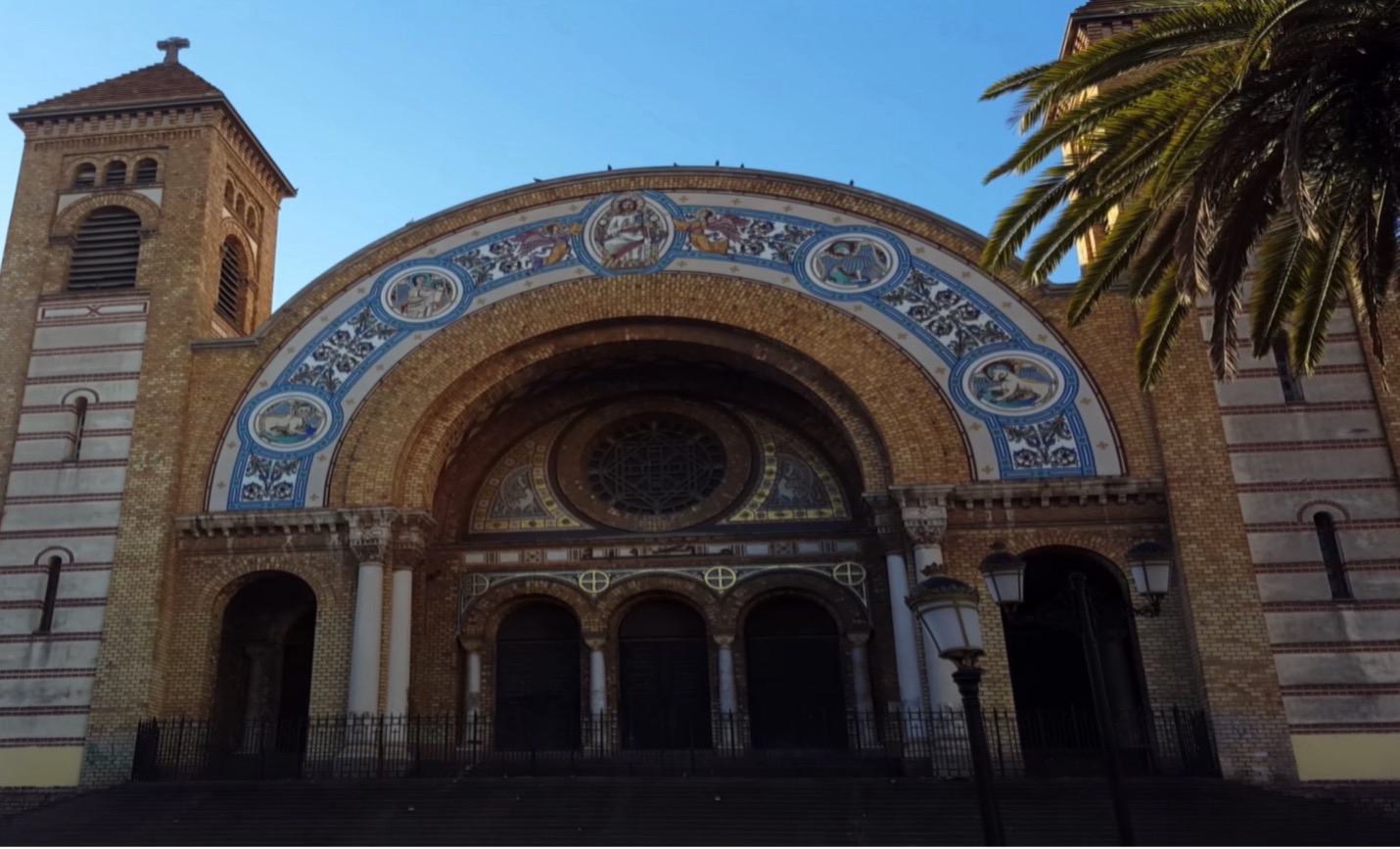
Despite their long history in the country, Christians in Algeria today constitute a religious minority that faces significant discrimination in the public sphere. Although the Constitution proclaims freedom of conscience and worship, the concrete experience of Christian communities reveals the…
Book catalogue

Training in Nonviolent Journalism

Documentary Catalogue

Every Sunday
