

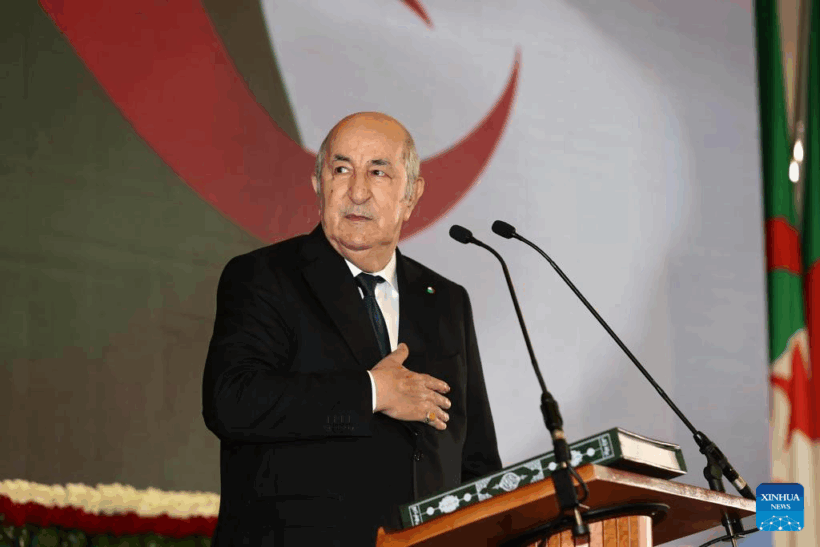
Algeria, endowed with abundant natural resources, a dynamic youth population, and a history of struggle for independence, is undergoing significant economic transformation. President Abdelmadjid Tebboune’s initiatives during his second term reflect a strong commitment to modernizing the national economy. However, this economic progress occurs alongside serious constraints on political freedoms and civil liberties, particularly freedom of expression, press independence, and the rights of minority communities. Sustainable development in Algeria cannot be fully realized without concurrent reforms that respect democratic principles and human rights.
Since 2024, the Algerian government has implemented a series of economic reforms aimed at restructuring a model long dominated by hydrocarbon revenues. A key priority has been economic diversification, designed to reduce dependence on oil and gas while stimulating industrial, technological, and service sectors. Incentives for investment, innovation, and entrepreneurship are, central to these efforts.
The agricultural sector has also been a focus of modernization, with initiatives aimed at achieving food self-sufficiency. This includes improved land management, optimized water use, and support for farmers through subsidies, loans, and technological partnerships.
To further encourage economic growth, Algeria has revised its business climate by simplifying administrative procedures, reforming fiscal and legal frameworks, and establishing special economic zones to attract local and foreign investors. Structural projects in housing, transport, and infrastructure are underway, signaling the government’s intention to position Algeria as a regional economic power.
Despite these achievements, fundamental freedoms remain severely restricted. Journalists face arrests and harassment, independent media outlets are often closed, and peaceful activists are prosecuted. Freedom of expression, political participation, and press independence are curtailed by vague laws and authoritarian practices. This gap between economic progress and democratic stagnation undermines public trust and national cohesion.
A critical step toward genuine reform is the release of all prisoners of conscience and individuals detained for their opinions or peaceful activism. Without this, true democratic renewal remains impossible. Citizens, journalists, and civil society actors must be allowed to express ideas freely and participate in public life without fear of reprisal.
Equally important is the recognition and protection of Algeria’s Amazigh identity and the rights of the Kabyle people. The Amazigh, as a central component of Algeria’s cultural heritage, must have their linguistic, cultural, and political rights fully respected. The persecution of Kabyle activists, whose advocacy focuses solely on defending their culture and autonomy, should end. Granting Kabylia a degree of regional autonomy could serve as a model for reconciliation, fostering dialogue and coexistence within Algeria’s diverse population.
The legal framework restricting free speech, association, and independent political activity requires comprehensive reform. Ambiguous and repressive laws must be replaced with clear statutes guaranteeing freedom of expression, freedom of assembly, and citizen participation. Media independence must be actively supported through transparent regulation, pluralism, and fair access to resources. A vibrant press is indispensable for transparency, accountability, and good governance.
An inclusive national dialogue is essential to consolidate progress. Bringing together political parties, civil society organizations, unions, academics, youth, and Amazigh representatives could lay the foundation for a new social contract that reflects Algeria’s diverse society and aspirations.
A country where citizens can freely debate, criticize, and contribute to collective decision-making is better positioned to innovate, attract investment, and maintain social cohesion. Freedom of expression and respect for cultural diversity are not luxuries; they are central to sustainable development, democratic stability, and national unity.
Algeria stands at a historic juncture. Economic transformation offers significant opportunities, but progress will remain incomplete if democracy and freedom of expression continue to be flouted. Recognition of the Amazigh and Kabyle communities, release of prisoners of conscience, and genuine legal and political reforms are essential steps toward a future where economic growth and political liberty advance hand in hand.
Algeria deserves more than economic recovery; it deserves a democratic and inclusive renaissance, where citizens’ voices are heard, human rights are respected, and cultural diversity is celebrated as a source of strength rather than division.