

Economics
Occupy inspiring ripples of new economics thinking in academia
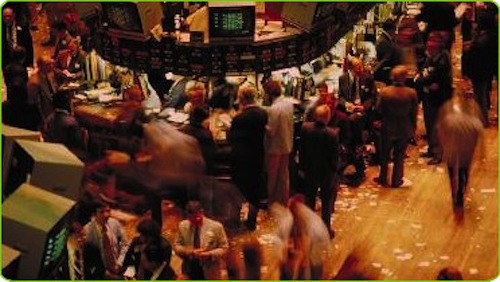
[divide][clear] The challenge to the pervading (and failing) economic system that began as a discussion in the Occupy/Indignados demos has been reaching deep into some Universities amongst students of Economics, but not exclusively. Soon after Occupy Wall Street set base…
Walking an Economic Tightrope with No Safety Net
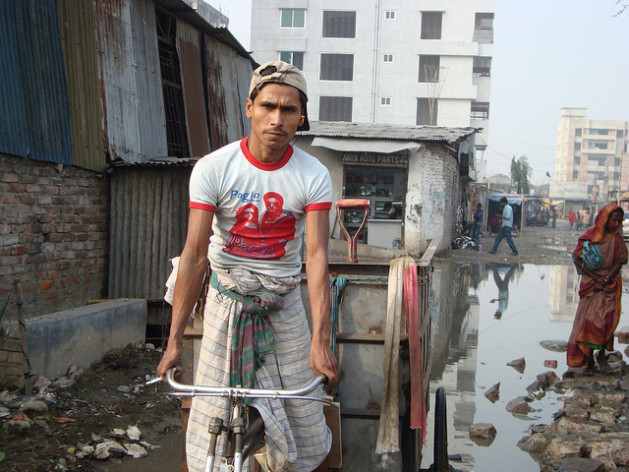
By Thalif Deen. For IPS UNITED NATIONS, Oct 16 2013 (IPS) – With the richest one percent of the population now owning 40 percent of global assets, and the bottom half sharing just one percent, inequality is fast being recognised…
New Scientist report: “Revealed – the capitalist network that runs the world”

By Clive Menzies for Critical Thinking, presented to the meeting “The future of Occupy” A study published in the New Scientist shows 147 “super-entities” control 40% of a network of 43,060 trans-national corporations and 60% of their revenues which means…
Worlds leading banks invest 314 Billion USD in nuclear weapon producers.

Public pressure mounts to stop investments in these weapons of mass destruction Stockholm, October 10– “Don`t Bank on the Bomb”, is the only report to detail how 298 private and public financial institutions from around the world invest almost 314…
Inter American Development Bank (IADB), Argentina and vulture funds
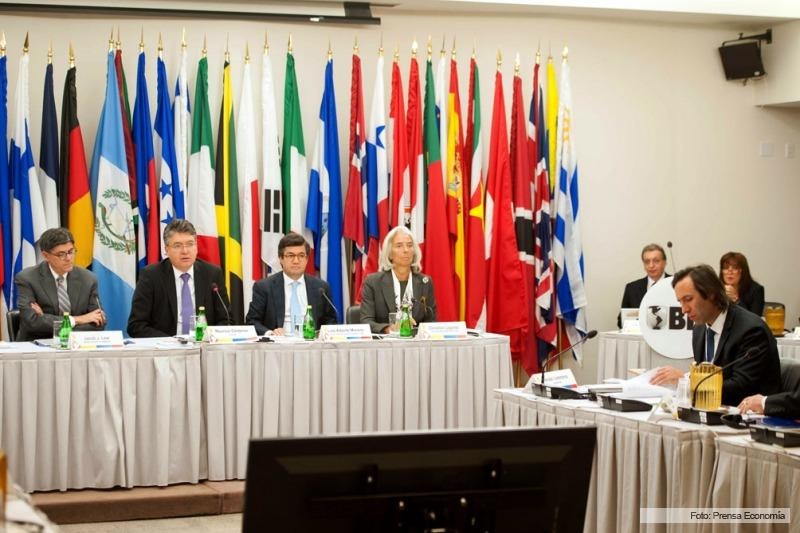
IADB MEETING IN WASHINGTON Minister Lorenzino from Argentina warned about vulture funds negative impact on the financial system Economy Minister Hernán Lorenzino warned on the negative impact that vulture funds might have on the international financial system, during an encounter…
Single-Payer Prescription for What Ails Obamacare

By Amy Goodman with Denis Moynihan “We apologize for the inconvenience. The Marketplace is currently undergoing regularly scheduled maintenance and will be back up Monday 10/7/3013.” You read it right, 3013. That was the message on the homepage of the…
Potential breakthrough anti-Malaria vaccine
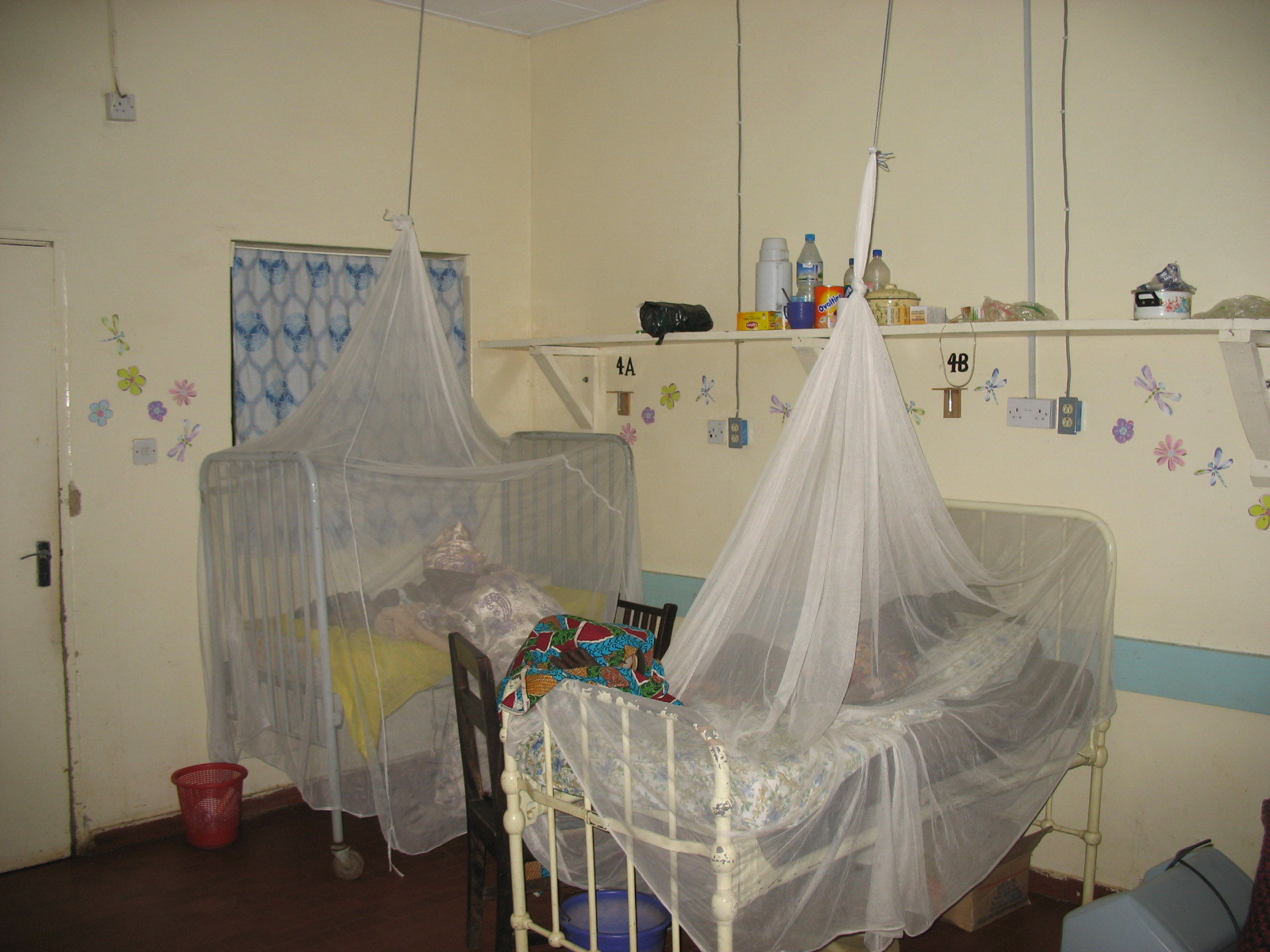
Published by Science : “We report that the PfSPZ Vaccine—composed of attenuated, aseptic, purified, cryopreserved PfSPZ—was safe and well-tolerated when administered four to six times intravenously (IV) to 40 adults…These data indicate that there is a dose-dependent immunological threshold for…
Fukushima et al. Another bad week for nuclear safety
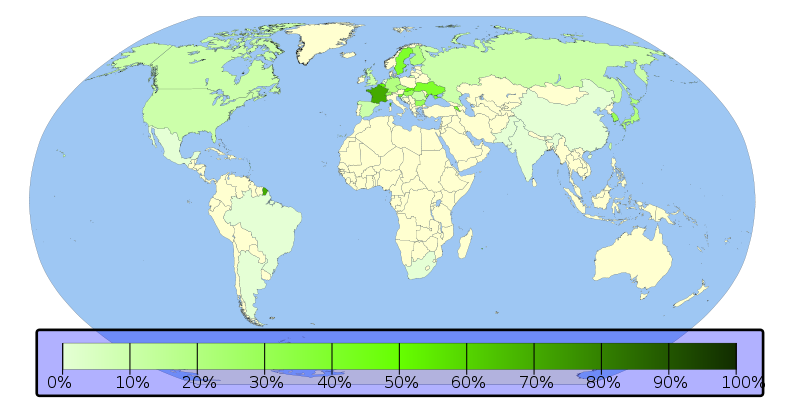
The same week that Fukushima announces yet another leak of radioactive water… “TOKYO, Oct 1 (Reuters) – The operator of Japan’s crippled Fukushima nuclear plant said on Tuesday that four tonnes of rainwater contaminated with low levels of radiation…
“A Corporate Trojan Horse”: Obama Pushes Secretive TPP Trade Pact, Would Rewrite Swath of U.S. Laws
Read the Full Transcript here As the federal government shutdown continues, Secretary of State John Kerry heads to Asia for secret talks on a sweeping new trade deal, the Trans-Pacific Partnership. The TPP is often referred to by critics as “NAFTA on steroids,”…
Book catalogue

Training in Nonviolent Journalism

Documentary Catalogue

Every Sunday
