

The world is witnessing an unprecedented surge in the use of gadgets, mobile applications, and artificial intelligence. From smart classrooms to AI-driven entertainment, technology has seamlessly integrated into every aspect of modern life. While these innovations promise convenience, efficiency, and progress, they also present an emerging crisis—particularly in the physical and mental health of the next generation.
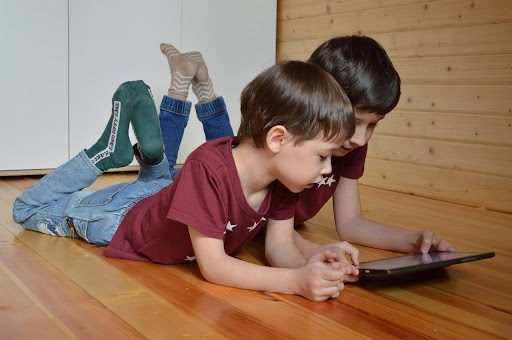
Children today are growing up in a digital ecosystem where screens dominate their daily routines. Smartphones, tablets, gaming consoles, and AI-powered platforms have replaced playgrounds, outdoor games, and physical exploration. What was once an occasional recreational activity has now become a lifestyle. Hours spent on video games and social media apps are steadily reducing the time allocated for exercise, sports, and social interaction. As a result, childhood obesity, posture-related problems, weak muscle development, and early fatigue are becoming alarmingly common.
The problem is compounded by changing dietary habits. Fast food culture, heavily marketed through digital platforms, has become the preferred choice for many young people. Processed meals, sugary drinks, and high-calorie snacks are replacing traditional, balanced diets. Combined with reduced physical activity, this unhealthy consumption pattern is weakening the physical structure of children. Many youngsters show signs of poor stamina, low immunity, and limited physical endurance at an early age.
Educational institutions, while striving for academic excellence and technological advancement, often neglect physical education. Schools increasingly focus on grades, digital literacy, and competitive examinations, leaving limited room for gymnastics, sports, and structured physical training. Playgrounds are shrinking, and physical training periods are treated as secondary rather than essential. In many cases, the emphasis on academic achievement overshadows the equally important goal of building strong, healthy bodies.
At home, the situation is equally concerning. Parents, under economic pressures and career demands, are spending more time earning and less time engaging with their children. While financial stability is important, emotional presence and active supervision are equally critical. Many parents rely on gadgets as digital babysitters, unknowingly reinforcing screen addiction. The absence of shared outdoor activities, family sports, or simple walks further deepens the sedentary lifestyle of children.
Looking ahead, the rapid evolution of 3D and 4D technological innovations, virtual reality, and immersive AI systems may intensify this challenge. As technology continues to automate tasks and simplify labor, humans may become increasingly detached from physical effort. The culture of comfort and luxury—once seen as a reward for progress—could transform into a threat to human vitality. When machines perform most physical tasks and entertainment becomes entirely virtual, the motivation for hard work and physical exertion may decline further.
The real question, therefore, is not whether technology is good or bad. It is how societies choose to balance innovation with well-being. Progress without physical resilience can weaken a nation’s future. Schools must integrate structured sports programs and compulsory physical training. Parents must prioritize family time, outdoor engagement, and healthy eating habits. Policymakers should promote public awareness campaigns encouraging active lifestyles alongside digital literacy.
Technology is a powerful tool, but it should not redefine humanity into passive consumers of comfort. The health of the next generation is not merely a personal issue; it is a societal responsibility. If we fail to restore balance between digital advancement and physical vitality, the cost may be paid not in lost data, but in lost strength, discipline, and human endurance.
If parents fail to invest time, resources, and attention in the health and sports development of their children today, they may face serious consequences tomorrow. A generation raised without physical discipline and resilience may struggle with chronic diseases, emotional instability, low confidence, and reduced productivity. The long-term burden will not only fall upon families but also on healthcare systems and national economies. Investing in children’s physical well-being is not a luxury—it is a necessity. The future strength of society depends not merely on technological advancement, but on the physical and mental fitness of its youth.