

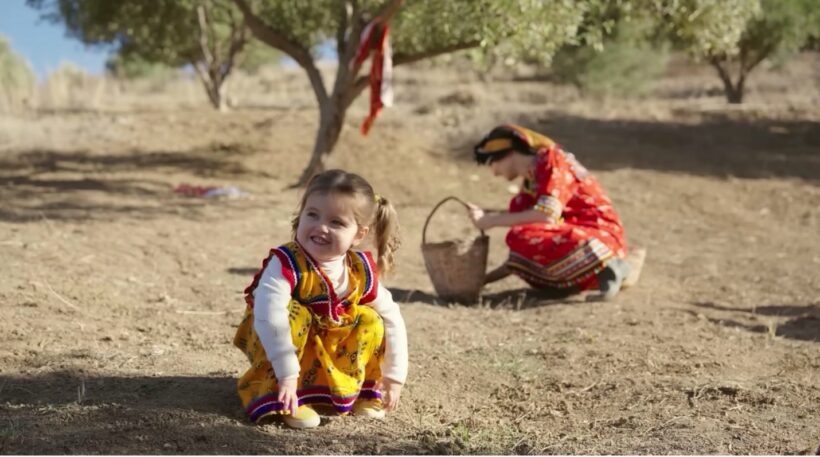
Every year on January 12th, Amazigh people across North Africa celebrate Yennayer, their traditional New Year. In the Amazigh language, it is called Aseggas Ameggaz, which means “Happy New Year.” This year, the Amazigh calendar counts the year 2976.
Yennayer has very old roots in the farming calendar used by the Amazigh people, one of the oldest groups living in North Africa. The day marks the beginning of the farming season when the land starts to grow new plants. Amazigh families thank the earth for its gifts, pray for a good harvest, and prepare to plant seeds. This shows how close the Amazigh people are to nature and their land.
For many years, the Amazigh language and traditions were ignored or even forbidden in some countries. Because of this, Yennayer became more than just a New Year; it became a symbol of Amazigh pride and survival. It reminds people of their culture, history, and identity. On Yennayer, families gather to celebrate with special meals. They prepare traditional foods like couscous, barley dishes, and meat, which symbolize health, abundance, and good luck for the coming year.
Homes are decorated with natural items such as wheat and olive branches. Wheat represents fertility and growth, while olive branches stand for peace and blessings. During the celebrations, elders tell old stories, proverbs, and legends to younger generations to keep the Amazigh language and culture alive through oral history. People also sing, dance, and play traditional music, which helps bring the community together and keep their culture strong.
Today, Yennayer is celebrated not only in villages but also in cities and by Amazigh communities around the world, including Europe, North America, and other places where Amazigh people live. In 2018, Algeria officially recognized Yennayer as a national holiday, marking an important step in honoring Amazigh culture. Social media plays a big role in sharing the celebration and educating young people about their heritage.
Yennayer is more than just a party; it is a time for Amazigh people to show pride in their history and culture. It reminds the world about the importance of respecting different cultures and celebrating diversity. It is also a day full of hope for peace, health, unity, and progress for Amazigh communities everywhere.
As Amazigh people say during Yennayer,
Aseggas Ameggaz i y Imazighen! “Happy New Year to Amazigh people!”



