

The Third Series of the 5th Hanseatic League of Universities Conference
By Genevieve B. Kupang
“We celebrate those who dare to change the system”
-Kyung-Sung Kim, 2025
“The best way to create your future is to create it.”
-Abraham Lincoln
Thank you for reading this series’ 2nd article. For those who missed it, here is the link: https://www.pressenza.com/2025/07/from-hanseatic-roots-to-philippine-shores-dumaguete-and-siquijor-host-the-landmark-5th-hlu-conference/. You can also watch a glimpse of the 5th Hanseatic League of Universities conference in this link courtesy of the organizers and co-hosts: https://www.facebook.com/5th.hlu.conference/videos/1778535746072977.
Dr. Cho’s Presentation of WURI as a New Standard of University Ranking
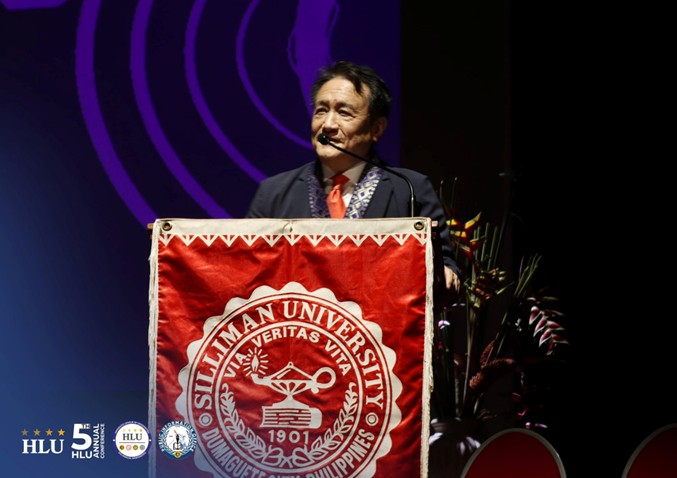
The recent 5th Hanseatic League of Universities Conference, held in the calming embrace of Dumaguete’s gentle shores and the mysticism of Siquijor, offered more than just academic discourse. It provided a profound space for reflection on the very essence of higher education’s impact. And at the heart of this reflection was the insightful sharing of Dr. Dong-Sung Cho, Founder and Chair of the WURI Foundation, whose address on July 10th, 2025, at Silliman University, Dumaguete City, charted a compelling discussion for the future of university rankings. His presentation was titled “WURI as a New Standard of University Ranking.”
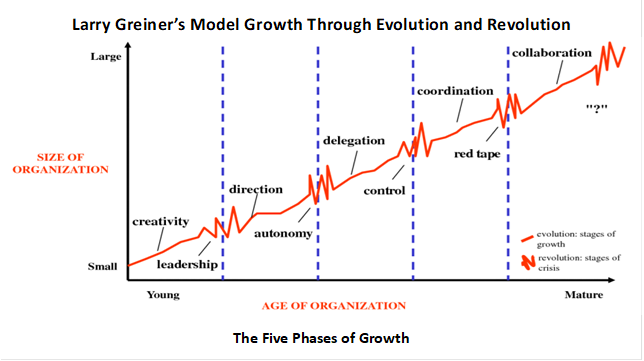 Credits: Greiner, L. (1998). Managing people: Evolution and Revolution as Organizations Grow. Harvard Business Review; Francis, A. (n.d.). Greiner’s Model of Organizational Growth – Phases of Organizational Growth and Crisis. MBA Knowledge Base. https://www.mbaknol.com/strategic-management/greiners-model-of- organizational-growth-phases-of-organizational-growth-and-crisis/
Cho’s presentation, much like a well-tended garden evolving through seasons, unfolded with an understanding of “Evolution and Revolution” in the ecosystem of university rankings. He eloquently referenced Larry Greiner’s model, reminding us that growth, whether in an organization or an entire academic landscape, is a beautiful interplay of gradual evolution and necessary, transformative revolutions. This dynamic, he posited, is not just essential but truly beneficial, ensuring that the ranking system remains vibrant and responsive to the ever-changing needs of our global society. The revolution, he underscored, lays the very foundation for the next stage of evolution, a continuous cycle of renewal.
Dr. Cho’s presentation was supplemented by Dr. Kyung-Sung Kim, Chair, WURI Ranking 2025, Dean, aSSIST AI School, and President, i-STATistics Company when he said that WURI Ranking is not about reputation. It is about – innovation, inclusiveness, and impact. And we celebrate those who dare to change the system! That is the WURI spirit, Dr. Kim shared.
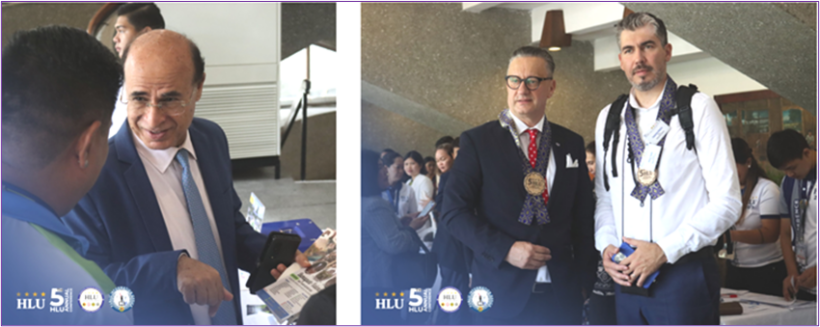 Connecting continents, Asian, African and European participants at the 5th HLU Conference, Luce Auditorium, Silliman University.
The Birth of Global University Rankings
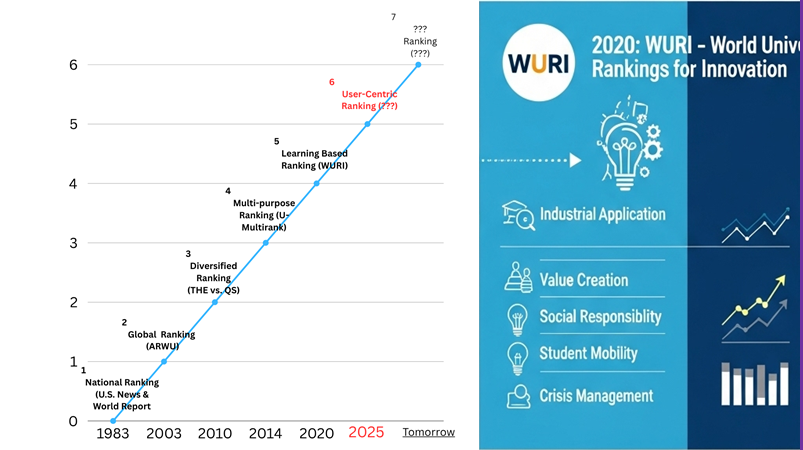
Looking back to “World University Rankings Yesterday,” Cho painted a vivid picture of how global rankings first emerged from the growing international student mobility of the 1990s. The pioneering spirit of the Academic Ranking of World Universities (ARWU) in 2003, followed by the Quacquarelli Symonds (QS) and THE Rankings in 2004, marked the initial attempts to standardize comparisons. Yet, as with any emerging growth, these early models soon diversified, with THE and QS forging independent paths by 2010, each refining their focus. The landscape further broadened by 2014, giving rise to “Multi-Purpose Rankings” like U-Multirank, which dared to look beyond traditional research metrics to assess social and environmental impact—a welcome breath of fresh air for those of us who believe in a holistic view of institutional contribution. By 2020, the concept matured into “Learning-Based Ranking,” with WURI leading the charge. Our very own WURI, Dr. Cho highlighted, moved beyond mere statistics, embracing innovative case studies and a cross-evaluation method, fostering a culture of “learning through ranking” and encouraging universities to actively advocate for transparency against undesirable practices.
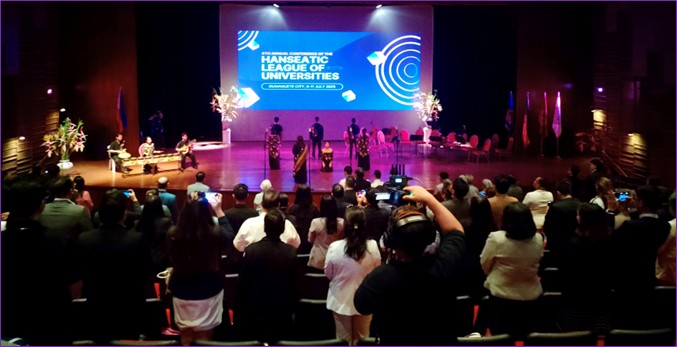 Day 1 of the 5th HLU Conference began with the Silliman University (SU) Campus Choristers leading the Invocation and Philippine National Anthem. The SU Dance Troupe and Orkestra Sin Arco then delivered an Opening Salvo, igniting the day’s events.
As for “WURI Today,” Dr. Cho affirmed that university rankings wield significant influence, guiding student choices and shaping institutional policies. Yet, he acknowledged the ongoing scrutiny, emphasizing a growing shift towards more holistic, user-centered criteria. This resonates deeply, for just as a calm river nurtures life along its banks, a ranking system should truly serve those it impacts. He proudly unveiled WURI’s 2025 criteria, notably the inclusion of “Users’ (Students’) Point of View” in categories like A1: Student Support and Engagement and A2: Student Mobility and Openness. This innovative step encourages students themselves to share their real-name cases, ensuring that the very heart of the university experience—their well-being, academic journey, and global opportunities—is authentically reflected. Furthermore, the revised A8: SDG-Based Responses to Global Challenges underscores how universities are weaving the United Nations Sustainable Development Goals into their very fabric, preparing students and leaders to tackle global challenges and build a sustainable tomorrow.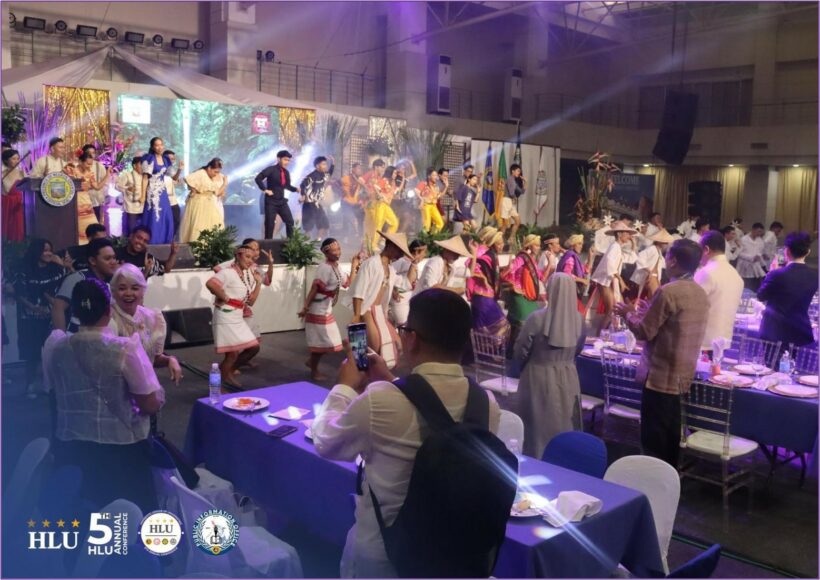 Empowered by HLU and WURI’s vision for collaboration, scholars, leaders, and innovators convene to share insights and build connections through enriching academic sessions and cultural celebrations. Photo taken during the Fellowship Dinner with cultural presentation on July 10, 2025 at the Negros Oriental Convention Center. Photo credit: 5th HLU Organizers.
Peering into “WURI Tomorrow,” Dr. Cho’s vision was clear and inspiring. He believes we will continue to witness revolutions in world university rankings, a trajectory we can predict by understanding the evolving expectations of university stakeholders and, crucially, our collective willingness for innovation.
Dr. Dong-Sung Cho’s closing remarks, echoing Abraham Lincoln’s timeless wisdom, “The best way to predict your future is to create it,” served as a powerful call to action. He challenged his audience to build upon WURI’s foundation: “Yesterday, we created our own ranking system called WURI. Today, we implement innovations and show them through WURI. Tomorrow, let’s conduct research and write articles on WURI.” This visionary statement seamlessly led to the announcement of a significant academic endeavor designed to realize this future.
On May 5, 2025, as Founder and Chair of the WURI Foundation and Founding President of the AI Business Academy, Dr. Cho formally launched a “Call for Papers & Invitation for Guest Editors” for a special issue of the AI Journal of Business (AIJoB). This initiative directly invited the 1,253 universities from 87 countries that collectively submitted 4,866 innovative programs to contribute scholarly papers. The special issue, titled “WURI Rankings – Their Roles and Impacts on University Management in the Era of Artificial Intelligence,” aims to explore how WURI has reshaped strategic priorities and innovation in higher education, particularly amidst the evolving landscape of AI-driven management.
In a landmark moment during the 5th HLU conference in Dumaguete, Dr. Cho personally announced the selection of proposals and the remarkable cohort of guest editors. He expressed his profound amazement at the overwhelming response, noting that 29 research papers had been submitted, alongside 15 WURI innovators and scholars who volunteered to serve as guest editors. The proposals accepted for full research presentations at the upcoming 2025 WURI Global Conference were also revealed. These selected researchers are set to present their findings from September 24–26, 2025, at Tongmyong University in Busan, South Korea, advancing important discourse on WURI’s profound influence and the integration of AI in university governance. This expansive initiative underscores WURI’s commitment to shaping a future where university rankings truly reflect real-world impact, integrity, and the nurturing of human potential.
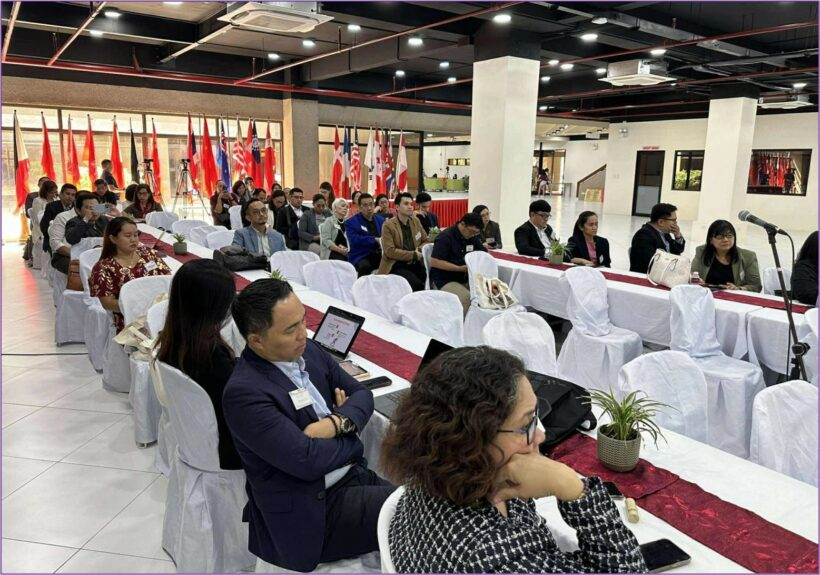 A breakout session during the 5th HLU conference, thanks to the visionary leadership of the HLU honorary president and WURI founder. Credit: HLU participant as shared in the 5th HLU FB page.
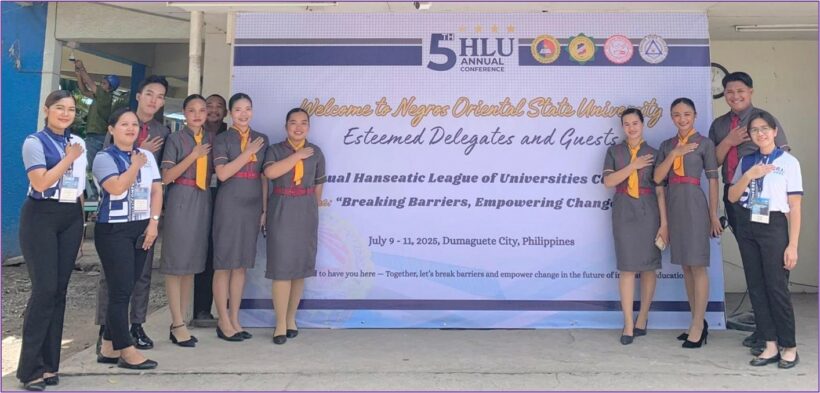 Negros Oriental State University’s Press Relations Unit and conference organizers warmly greet 5th HLU conference attendees, extending the true ‘Mabuhay’ spirit.
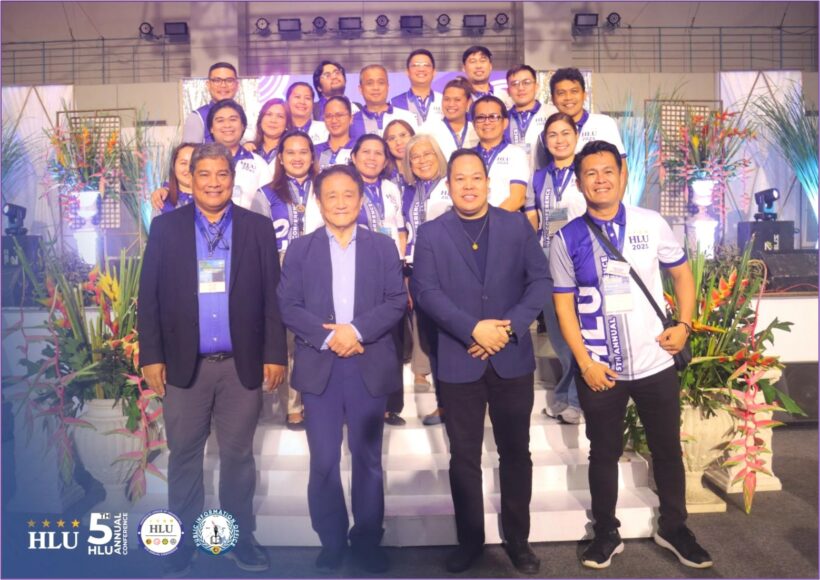 The 5th HLU Conference in Dumaguete was a resounding success, with Dr. Dong-Sung Cho, Dr. Aldrin A. Darilag, Dr. Noel Marjon Yasi, Dr. Ryan O. Tayco, and the devoted Dumaguete City organizers celebrating this milestone in higher education leadership.
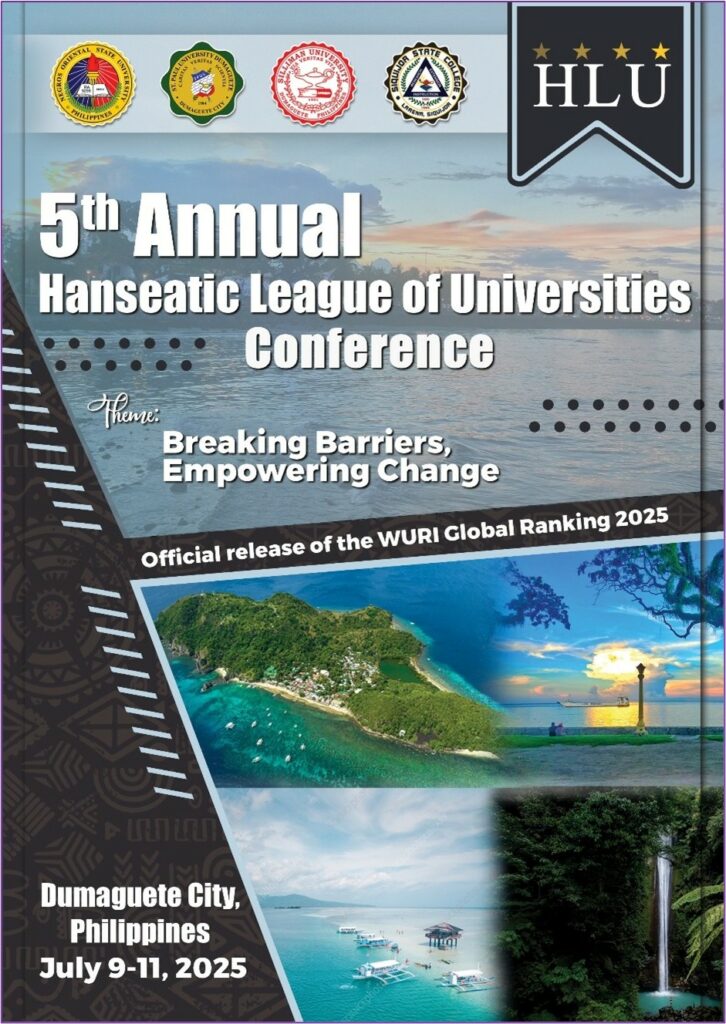 Credit: 5th Hanseatic League of Universities Conference hosts
Stand by for the next in the series.
5th Annual Hanseatic League of Universities (HLU) Conference
Photo credits: 5th HLU Conference Facebook Page
#5thHLUatDumaguete
#5thHanseaticLeagueofUniversities
#ThankYouDumaguetethecityofgentlepeople
#2025AnnouncementofWURIRankings
About the Author:

Genevieve Balance Kupang is the WURI historian for 2024-2025.



