

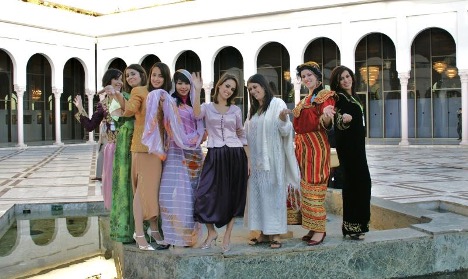
Algerian identity cannot be reduced to a singular narrative. It is the result of a long and complex historical journey shaped by diverse influences: Berber (Amazigh), Arab, African, Mediterranean, Andalusian, Ottoman, and French; that have each left a distinct mark. Together, these communities and histories have forged a rich, vibrant, and pluralistic culture that defines Algeria today.
Yet, throughout its post-independence history, Algeria has struggled to fully embrace this diversity. The systematic Arabization policies pursued in the early decades sought to unify the nation by imposing a single linguistic and cultural identity. While intended to foster cohesion, these policies marginalized the Amazigh populations and denied their language and heritage a rightful place in public life, leaving behind lasting social and cultural wounds.
One of the most powerful symbols of Algeria’s complex relationship with its plural identity is the status of the Berber language, Tamazight. Following decades of activism, particularly from the Kabyle population, who paid a heavy price in the fight for cultural recognition, Tamazight was declared a national language in 2002, and later elevated to official language status in 2016. These constitutional changes were historic, but their implementation has remained largely symbolic.
Tamazight is still insufficiently integrated into education, public administration, and national media. For many, the recognition has felt more like a political gesture aimed at managing internal unrest and external scrutiny than a true commitment to honoring Amazigh identity.
Meanwhile, Algerian Arabic (Darija); the mother tongue of the majority of citizens, continues to be undervalued in official settings, overshadowed by Classical Arabic, a formal register often disconnected from daily life. Honoring Algeria’s full linguistic landscape, Tamazight in its various dialects, Darija, Classical Arabic, and French, is not a cultural indulgence. It is a moral imperative of inclusion, justice, and democratic legitimacy.
The Kabyle region in northern Algeria has long stood at the forefront of the struggle for cultural rights. The Berber Spring of 1980, ignited by the banning of a conference on Amazigh culture in Tizi Ouzou, marked the beginning of organized and sustained Amazigh activism. Though met with repression, arrests, and media censorship, the movement persisted.
It reignited in 2001 during the Black Spring, when protests against state violence escalated into a broader uprising demanding recognition, dignity, and cultural justice. Dozens of civilians were killed, and hundreds were wounded, but the events left a lasting legacy. These movements laid the groundwork for Tamazight’s official recognition, yet many activists view the reforms as insufficient. Their vision remains unfulfilled: a pluralist Algeria where cultural difference is celebrated, not simply tolerated.
For decades, the Algerian state’s model of national unity was rooted in rigid centralism and the systematic rejection of internal differences. Cultural and linguistic diversity was often seen not as a national asset but as a threat to cohesion. This approach produced enduring consequences: the exclusion of minority voices, the erosion of cultural expression, and the deepening of identity-based tensions across regions and communities.
A stronger Algeria cannot be built upon such a foundation. It must create space for every citizen to live fully and authentically, without fear of marginalization or the need to suppress their identity. Honoring pluralism requires more than symbolic constitutional declarations, it demands real structural reforms: the meaningful integration of Tamazight across all levels of education and public life; the recognition of Darija as a legitimate and living language of communication and culture; the dismantling of identity hierarchies and the correction of regional inequalities; the construction of a national narrative that embraces Algeria’s historical and cultural complexity; and the teaching of history that reflects truth, diversity, and nuance, free from ideological distortion.
Honoring Algeria’s pluralism does not threaten national unity; it strengthens it. Real unity cannot emerge from imposed uniformity but from mutual respect, shared dignity, and the affirmation of every citizen’s right to be seen and heard. Algeria stands at a crossroads: it can either continue to sideline parts of its identity or embrace the full richness of its people. By choosing the latter, Algeria can finally reconcile with its past, embrace its diversity, and build a future grounded in justice, inclusion, and democratic renewal.



