

Three-year legal battle highlights concerns over police conduct and civic space ahead of elections
LUSAKA, Zambia – A court ruling in favor of activist and musician Maiko Zulu has renewed public attention on police accountability and the challenges faced by activists in Zambia.
The case, which lasted three years and involved allegations of verbal and physical assault, ended with the police found guilty. For many observers, the outcome stands out as an example of a citizen successfully seeking justice against a state institution.
For Zulu, the experience goes beyond a personal victory. He describes it as a learning moment for the country. In his view, many citizens have faced similar situations but often do not pursue justice, either because they are unaware of their rights or fear the consequences. He believes the case shows that it is possible to question authority and seek accountability through the law.
He also raised concerns about the conduct of some officers, saying there are times when the police appear to act with excessive force and show greater loyalty to those in power than to the public. He hopes the outcome of the case will encourage reflection and lead to reforms within the institution. He has indicated that he plans to take further legal action against the state by seeking damages.
The ruling comes at a time when concerns about activism are growing. Zulu explains that while Zambia still allows space for expression, the environment is becoming more difficult for those who speak out. He notes that fewer activists remain active, with some joining political systems and others stepping away from public engagement.
As the country approaches elections, he believes the situation may become more challenging. He points to the influence of funding and competing interests within the activism space, which he says can make it difficult to identify voices that are genuinely committed to social change.
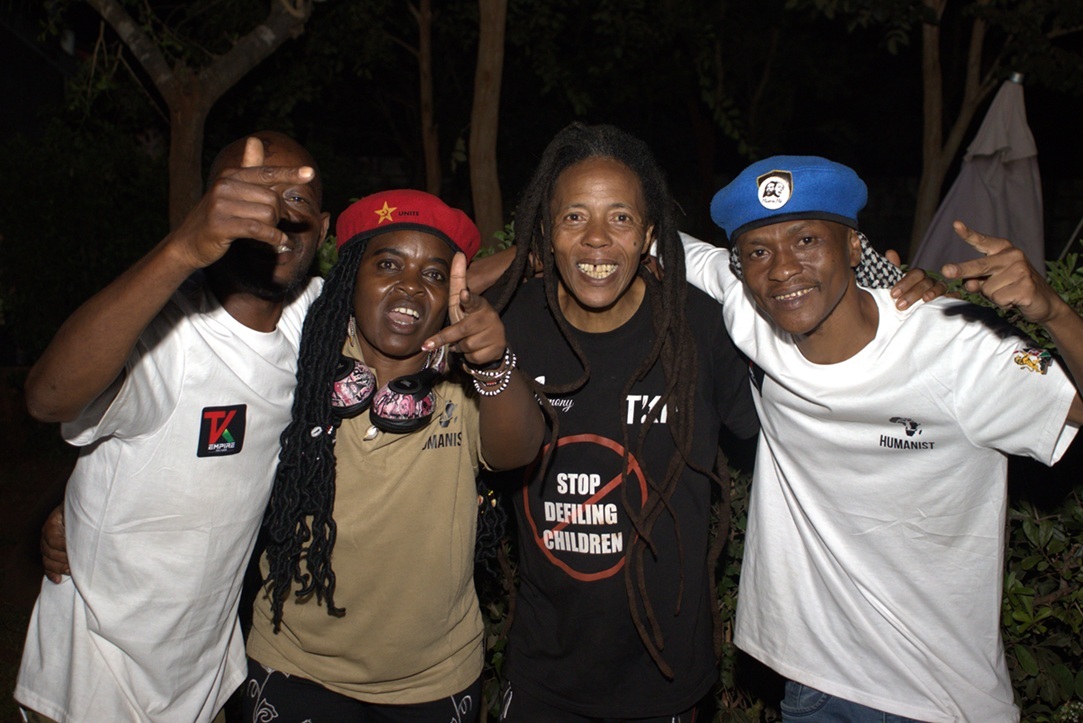
Despite these concerns, Zulu continues his work. He recently collaborated with a Humanist team from East Africa on a song focused on peace and solidarity. The project was inspired by ongoing conflicts affecting communities in different parts of the world. It calls attention to the impact of war, especially on children, and encourages unity across borders.
On music, Zulu says its role remains strong even as technology changes how it is produced and shared. While digital tools have made it easier to create music, he believes the message and creativity still depend on the artist.
His background in media and production has shaped how he approaches both music and activism. Having worked in studios from a young age and later managing one, he sees media as an important way to share ideas and reach people.
Looking ahead, Zulu speaks about the need for a more united and self-reliant Africa. He notes that steps taken across the continent to ease movement between countries are encouraging. At the same time, he raises concerns about the control of African resources, saying more needs to be done to ensure they benefit local people.
He believes the future of Africa depends on its people taking responsibility for shaping it and standing firm in claiming what belongs to them.
The case involving Maiko Zulu is likely to remain part of ongoing discussions about justice, governance, and the role of activism in Zambia, especially as the country moves closer to its next election period.