

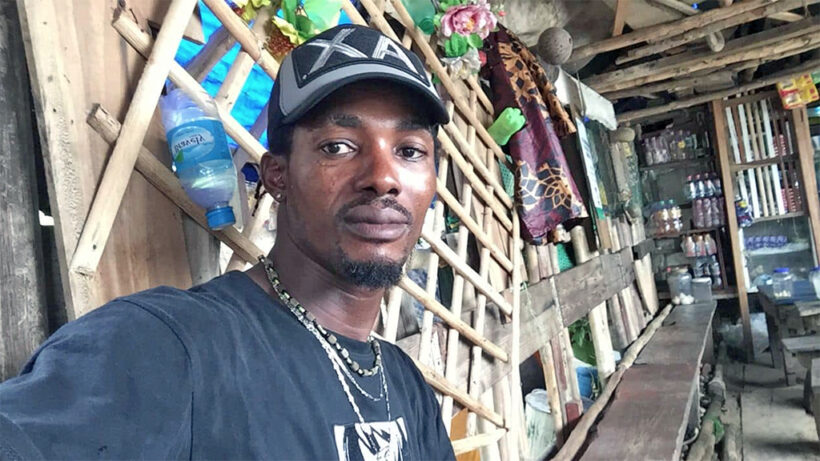
Babardee Fakeh Samura is 35 years old, lives in Freetown, Sierra Leone, West Africa, and is one of those unusual cases. Having spent his childhood and early youth in a very vulnerable situation, he took advantage of the opportunities that came his way through social work, where he learned the practice of yoga. Today, he teaches this same practice to children and young people as he did before, concerned to offer them alternatives that can keep them away from drugs, prostitution, violence and crime. He is also a talented and charismatic artist, composing, singing and producing his own music videos, together with his friends.
– Tell us about your childhood and youth
– My mother died during the civil war in my country, Sierra Leone. She died shortly after giving birth to our last sister. She couldn’t bear the pain and gave birth at home. The war was going on and she died and, three months later, my older brother was also killed by the rebels.
As a result, I became sadder and more stressed (I was only 9-10 years old at the time). My father was a local volunteer teacher who didn’t get paid properly and had no means. We were just getting by.
I went to school, but since my father couldn’t afford the fees, I had to drop out and missed the opportunity to continue my studies at secondary school.
From then on, I started living my own life on the streets of Freetown, sleeping in markets, in different communities, among friends, with bad habits, for example, drugs, alcohol and other pills. I was living a street life.
Until I moved from the eastern part of my city to the western part of Freetown. I was passionate about karate, martial arts, music and yoga. I practiced all this just to find a way to support myself and my family.
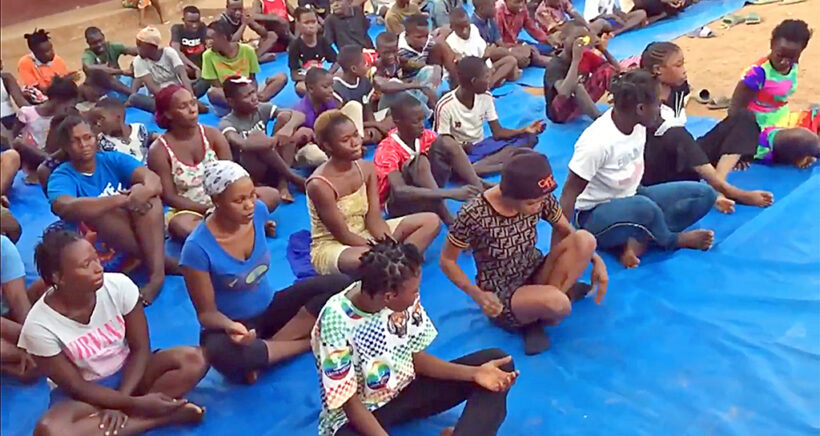
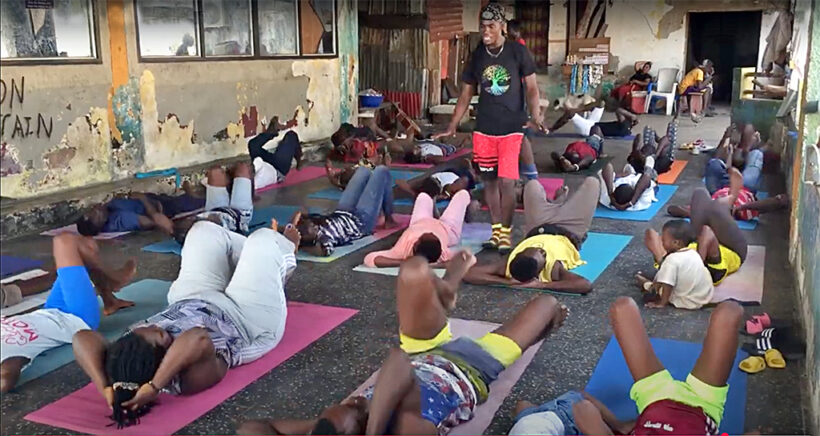

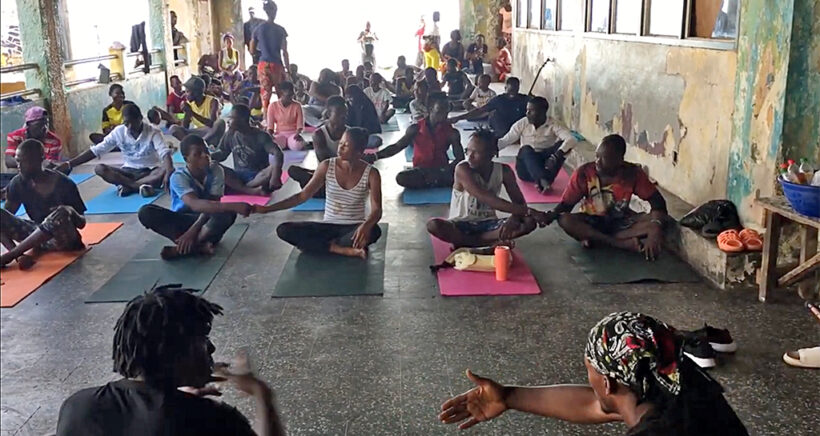
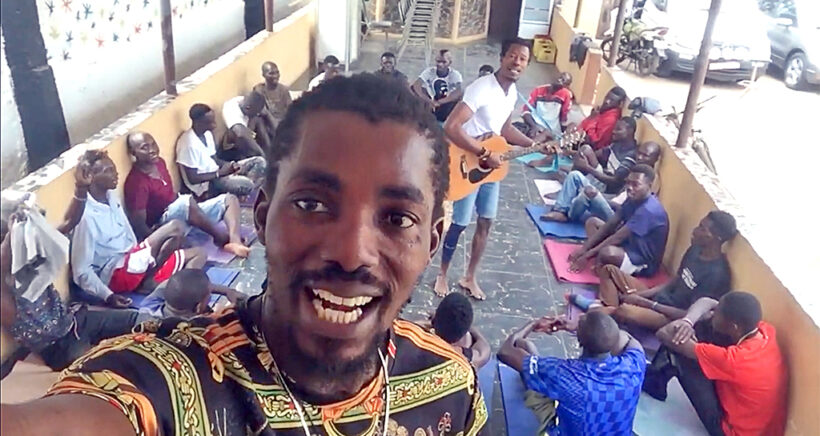
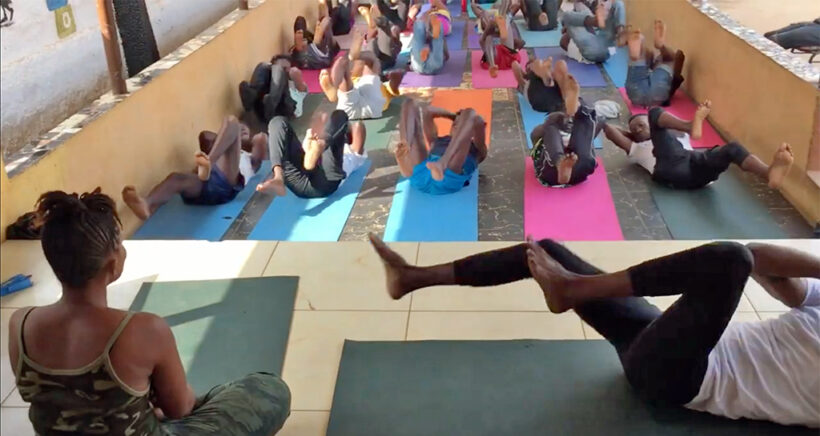
Now I’m not the same person as before because I have my own family, my wife and my two children. We’re all living together with my younger sister.
I’m looking after them now that my father is no longer on Earth. He also passed away last year, in September 2024.
– What was your turning point?
– I was lucky enough to go to Kenya for advanced yoga teacher training in 2017 and also in 2018 to Nigeria for 500 hours of teacher training.
As soon as I started, I had a vision of giving back to the streets, because I know what it’s like to be on the streets without any support.
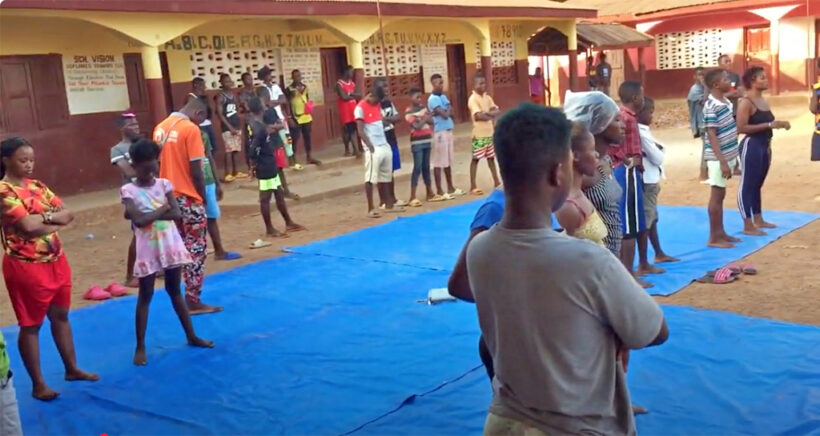
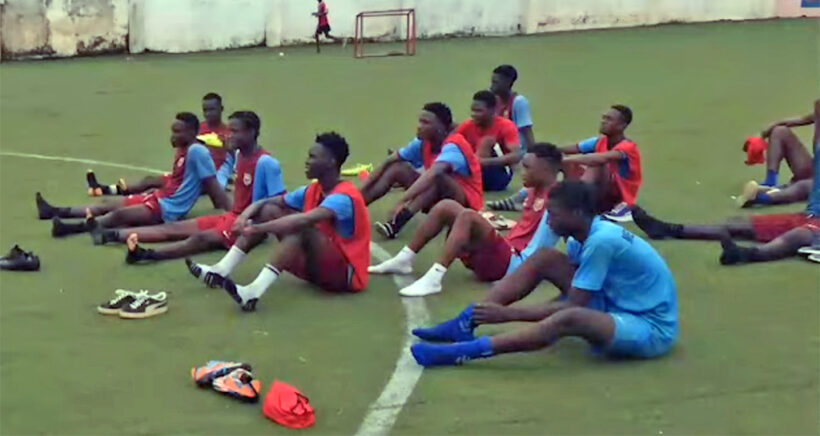
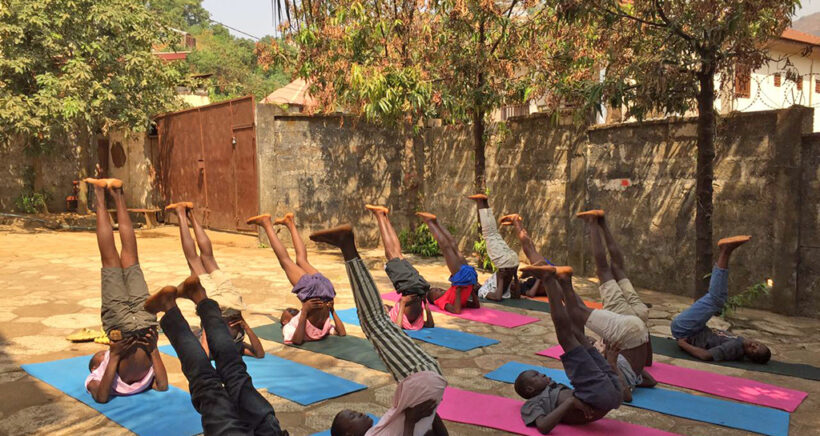
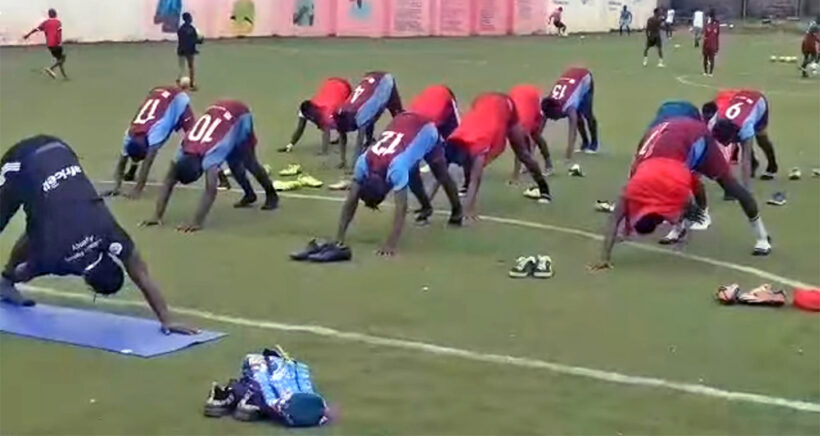
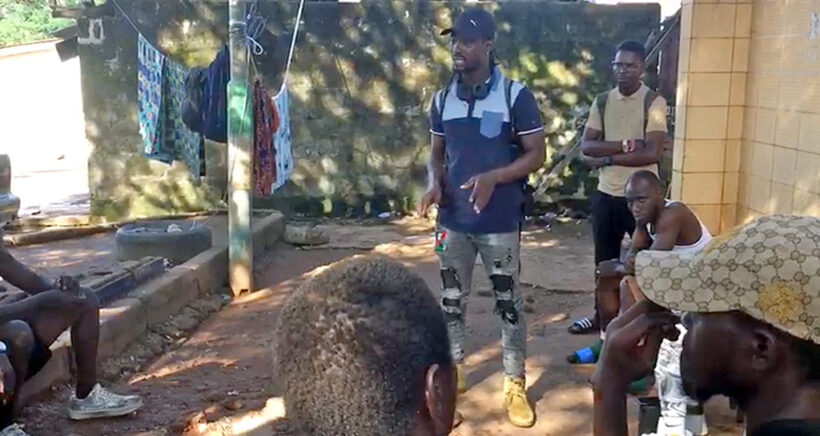
Since I came back to Freetown, I started my free yoga work in different communities and so far I’m still on the same journey.
– What is your work like today, what results have you achieved and how do you see the future of your project?
I continue to work on my project, Freewill Youth Empowerment Project SL.
As there is no sponsor or international connection, I’m using what I have to take it forward. I’m doing it as an individual, with no funding until now.
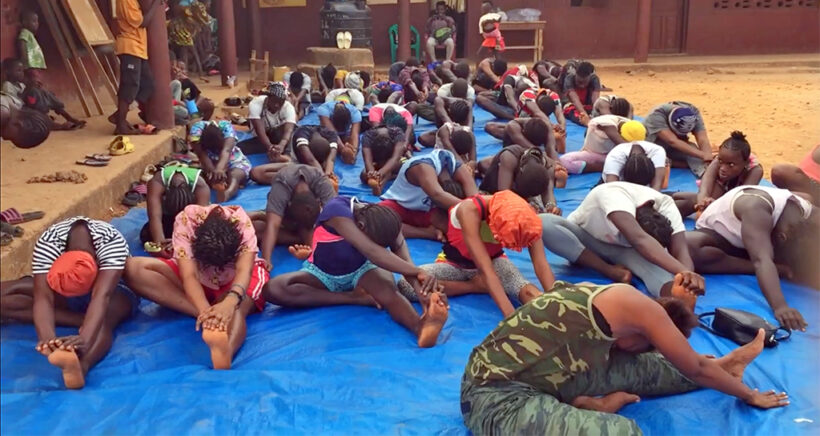
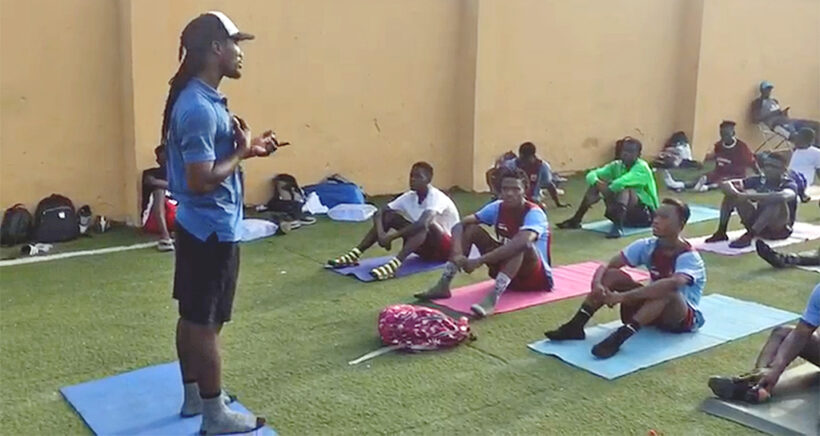
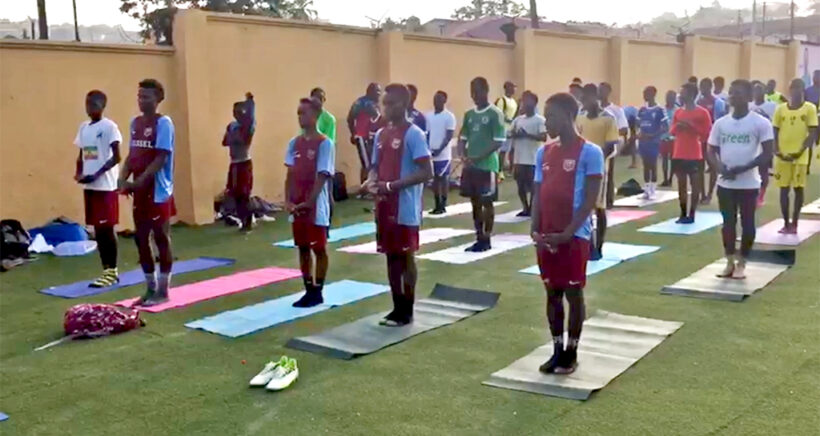
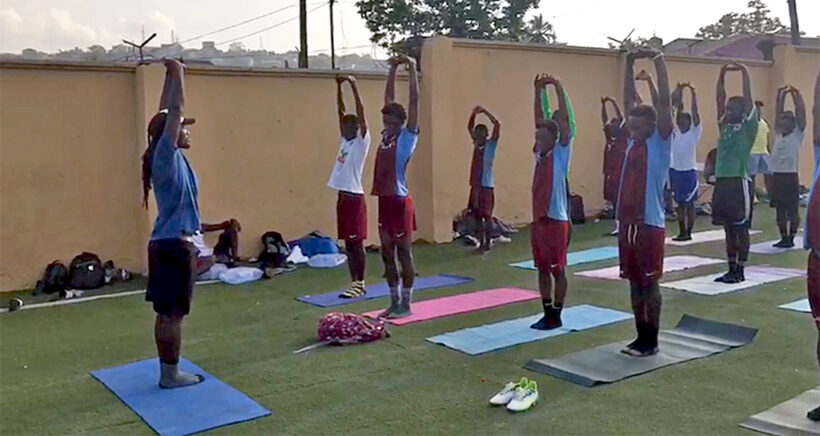
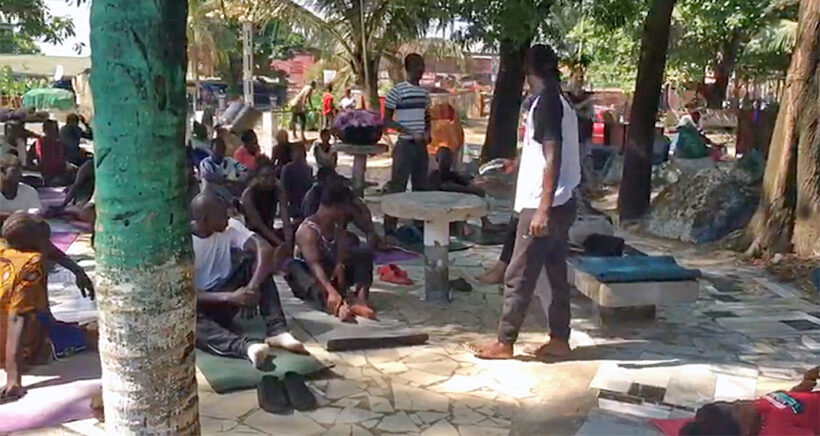
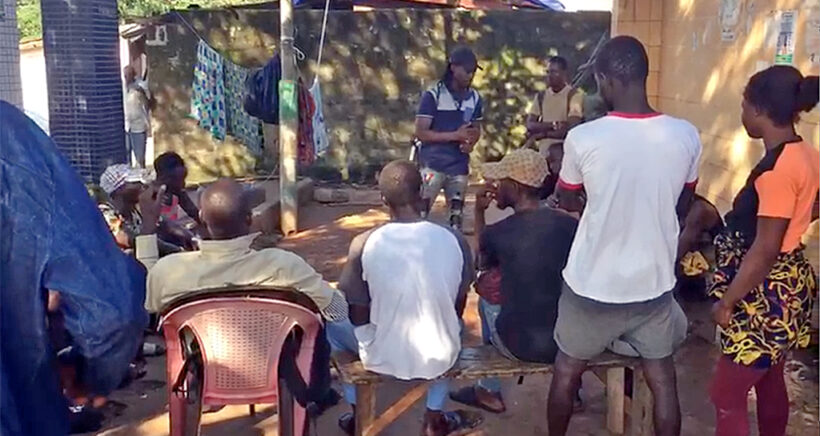
I’m trying to see if maybe a fundraiser could help, especially in skills training. For example: some of the young people taking part already know how to make benches, they’re carpenters, and some already want to learn the skills of a carpenter or even an electrician. That’s the kind of skills training. Instead of them sitting around and indulging in drugs, kush (cannabis), pills and other things, I thought this idea could reduce the activity of these guys who are on the streets, living a vulnerable life and looking like they’ve been left behind. That’s how I was. Having managed to keep this program alive, my plans for the future of the young people are Skills Training and Jobs to promote talents from the streets.
When I get some extra money, it’s to do something else for them, like cooking for example. And since this is the case in most of the communities and in some of them, there are still elderly people, they also put their own hands in and try to help, to do something. If someone has a cup of rice, they bring it; onions, they bring it; palm oil, they bring it, so that’s how we’re managing to make food and other things for them.
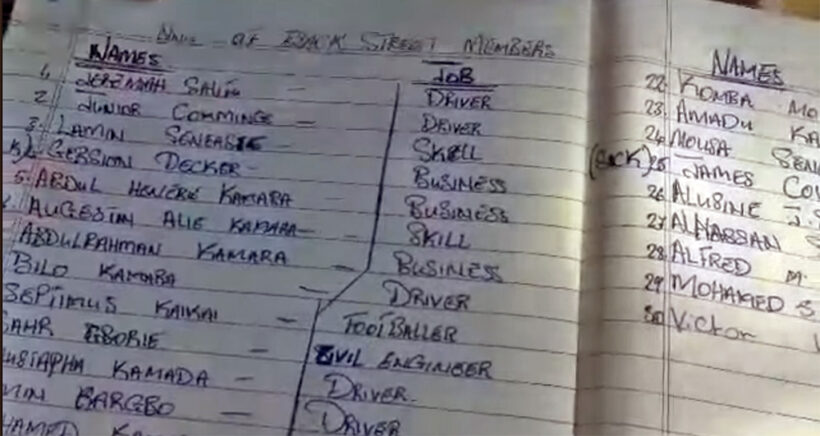
And when I talk about volunteering, it’s because sometimes, when I go to the community, I need extra hands, people to help me with the various tasks. For example, their names. I have two people who are helping me in this specific area of organization, which is not an easy task, because sometimes I might be teaching or speaking and someone else is behind shouting, so I need to have one or two extra people to put things in place, put them in order.
Freewill is not working as an institution, as an NGO, but as a CBO (community-based organization). That’s what the project is all about.
How to support Babardee in continuing its work
Support for Babardee in this project comes in the form of donations, connections to , partnerships or help with materials to maintain the project (food, water, premises
or a space, for example) and also to support the volunteers.
Any little thing will make a big difference.
Even if you have used things that you don’t use, you can send them to Freetown. It is also very helpful to have electronics that are not in use, as well as used vans, if possible, to be used by the volunteers.
“I’d like to take this opportunity to express my sincere thanks to the current collaborators on these projects, Ana Cortés Trancoso, Julia Emes, Zainab Samura, Andrew Quee and the team at Multiconvergência de Redes Globais (MRG) who helped me with the publication of this interview.” Babardee Samura.
Other videos at this Facebook link.
Contact Babardee
Email: babardeesamura17@gmail.com | WhatsApp: ±23279261977
Facebook: Babardee Fakeh Samura



