

Claudia Aranda
The Pentagon v. Anthropic: AI between the sword and ethics

This Friday, February 27, 2026, marks the deadline set by the United States Department of Defense for Anthropic to remove the ethical restrictions from its Claude model within the framework of its military contract. The ultimatum was communicated only days…
The family of Francesca Albanese sued the Trump administration over the sanctions imposed

On the morning of February 26, 2026, in the United States District Court for the District of Columbia in Washington, D.C., Francesca Albanese’s husband, acting on behalf of their minor daughter —a U.S. citizen— filed a lawsuit against President Donald…
Sudan under drones: when a medical communiqué reveals the anatomy of a permitted war
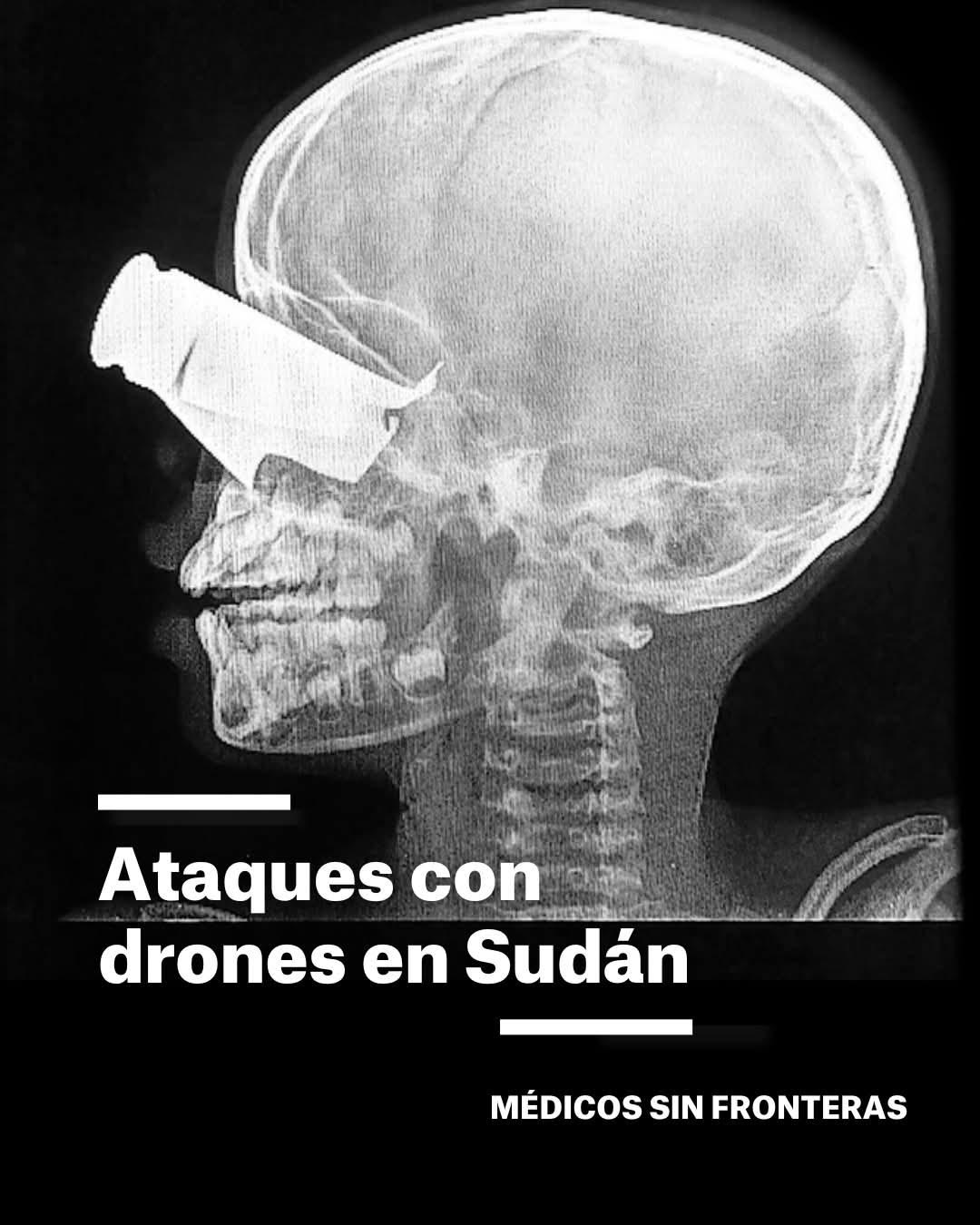
In just two weeks, Médecins Sans Frontières reported that 167 people were treated for severe injuries caused by drone attacks in civilian areas of Sudan. Penetrating chest wounds, fractured skulls, amputations of children. What the medical report describes in clinical…
China: reconverting taxi drivers in the era of the robotaxi

China has not waited for robotaxis to massively displace drivers before asking what to do with them. The expansion of autonomous driving in cities such as Wuhan, Shenzhen, or Beijing is not presented as an isolated experiment, but as an…
Memory as norm and structural debt: the African initiative before the international economic order
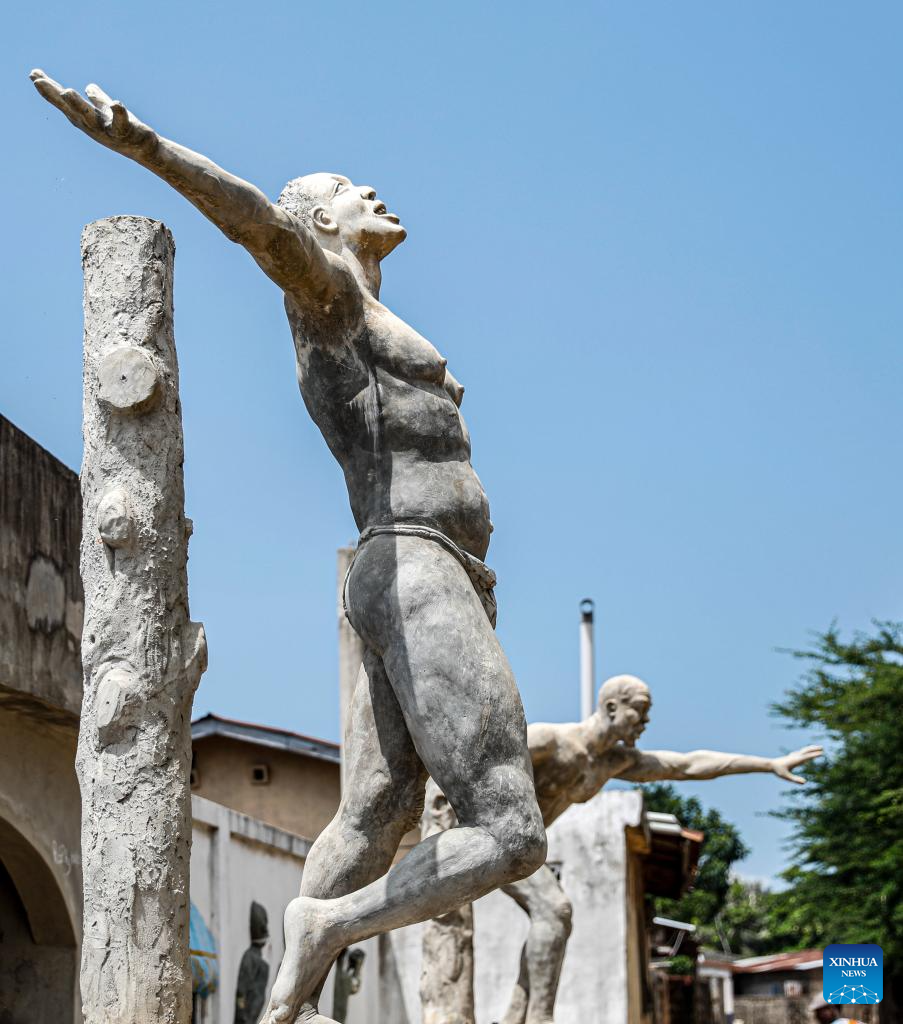
At the most recent African Union summit held in Addis Ababa, Ghana secured the inclusion on the agenda of an initiative calling on the United Nations General Assembly to formally recognize the Transatlantic Slave Trade and the racialized enslavement of…
For crimes against humanity in Gaza: Israeli sniper accused in Chile

On February 16, 2026, a criminal complaint was filed before the 8th Guarantee Court of Santiago against Rom Kovtun, an Israeli-Ukrainian citizen, for his alleged participation in crimes committed during the 2024 military offensive in Gaza. The legal action, brought…
The word as an act of restitution
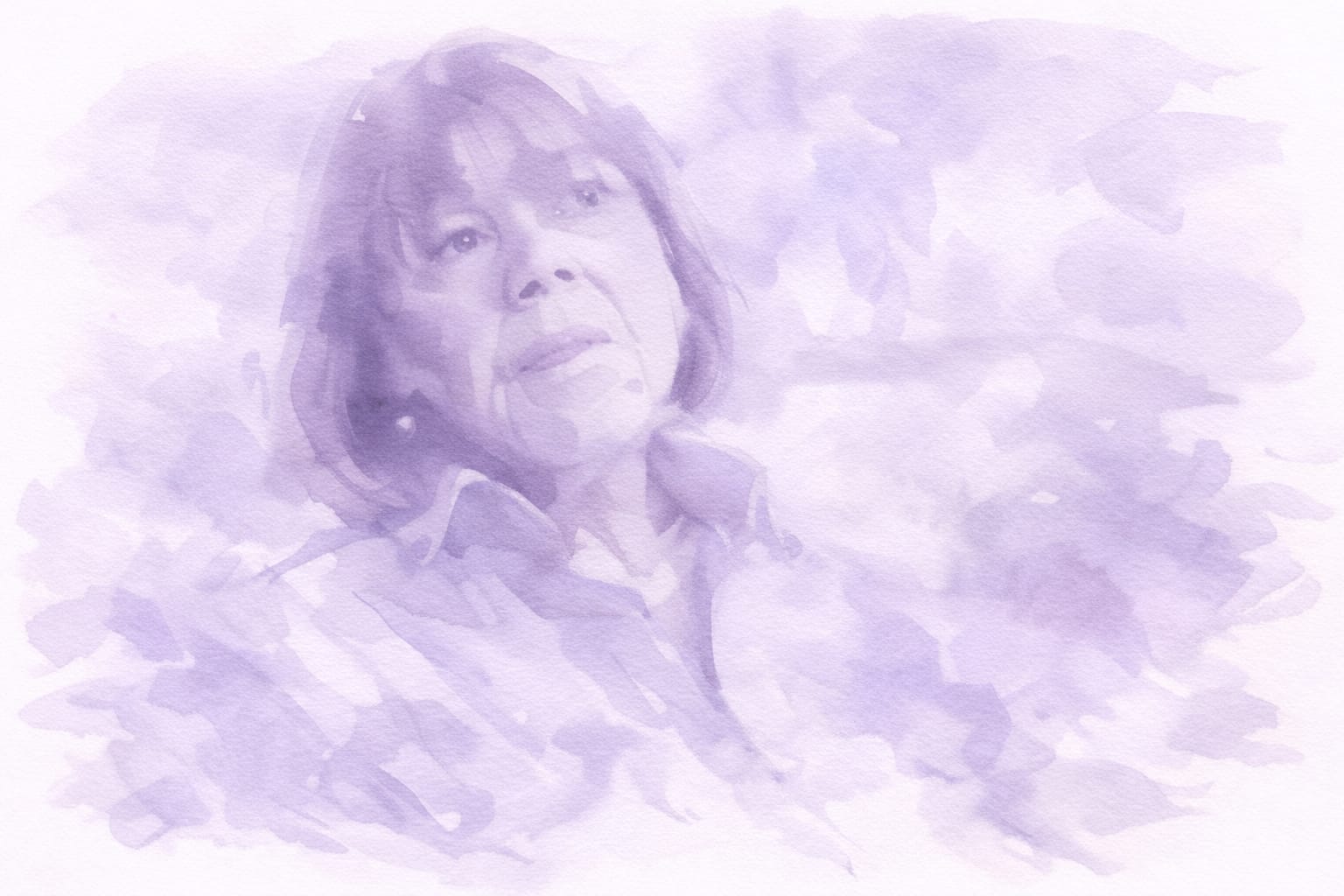
On 17 February 2026, Et la joie de vivre, the memoir of Gisèle Pelicot, is published. In Spanish, it appears as Un himno a la vida and in English as A Hymn to Life: Shame Has to Change Sides. At…
Neutrality in the face of extermination is not culture: it is complicity
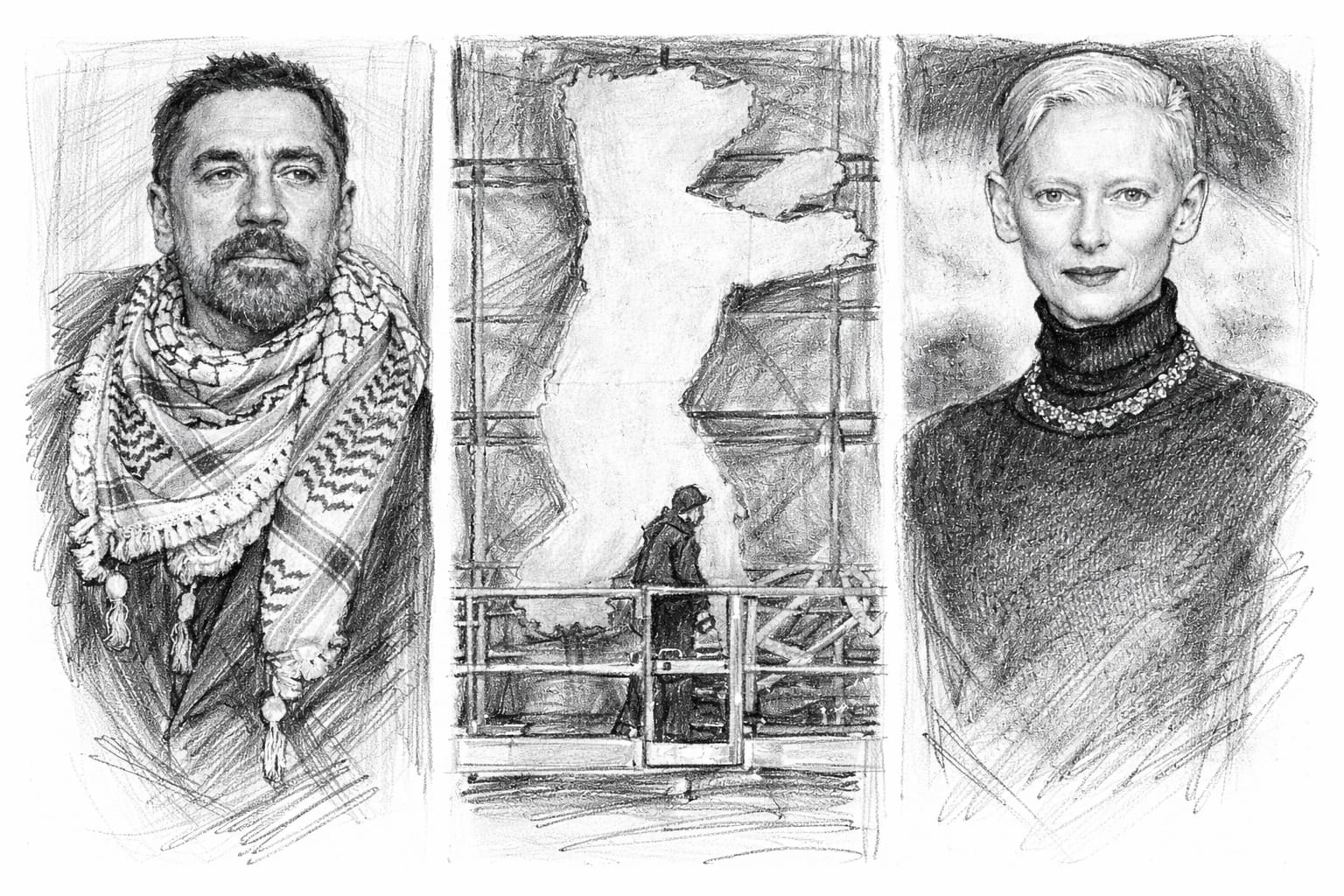
More than eighty figures from the international film community, including Javier Bardem, Tilda Swinton and Adam McKay, publicly challenged the Berlin International Film Festival over its silence regarding Gaza. Their letter is not a symbolic gesture: it is a direct…
West Bank: The registration of dispossession
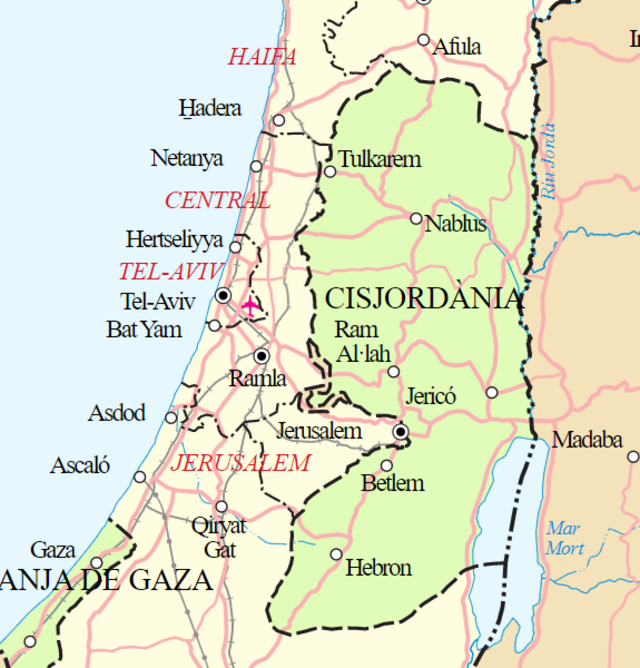
When a power that occupies a territory decides to register the land of the occupied as its own, this is no longer administration: it is appropriation. Israel’s new law on land in the West Bank confirms that the so-called “two-state…
The new Taliban criminal code: stratified justice and punishment by social class

A judicial regulation signed by the leadership of the Islamic Emirate in 2026 institutionalizes a penal hierarchy based on social status. The text establishes differentiated levels of punishment according to class, granting virtual immunity to upper strata while enabling physical…
Book catalogue

Training in Nonviolent Journalism

Documentary Catalogue

Every Sunday
