

Claudia Aranda
It’s Not About Criticizing Boric: Legally, an State’s Crimes Against Humanity Make All of Us Its Victims

This column responds to the debate sparked by my previous editorial critiquing President Boric’s cautious stance amid the genocide in Gaza. It is not a personal critique nor a polemical gesture, but a demand for coherence grounded in international law.…
Bombed Clinic and Conquest Decision: Netanyahu Hastens Gaza’s Final Collapse
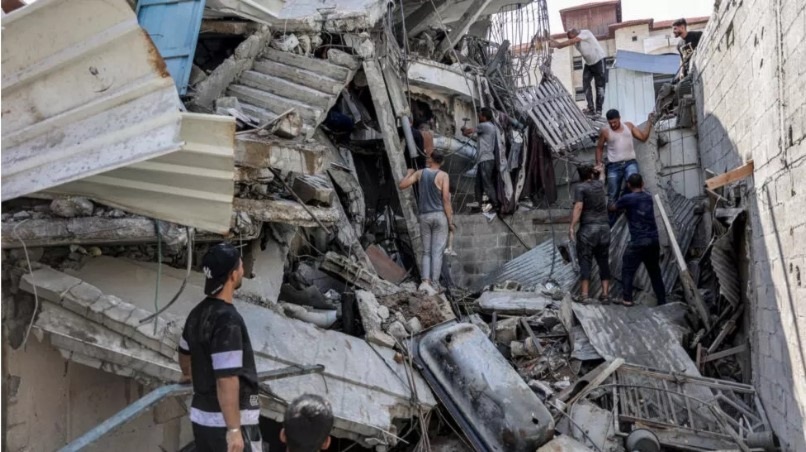
The image is brutal. The explosion—like a torn throat—shatters the silence of the night and lights up the ruins of Gaza surrounding the UN clinic, which blew into a thousand pieces, leaving behind yet another toll of dead and injured…
Governing Language: to Speak, to Name, to Create
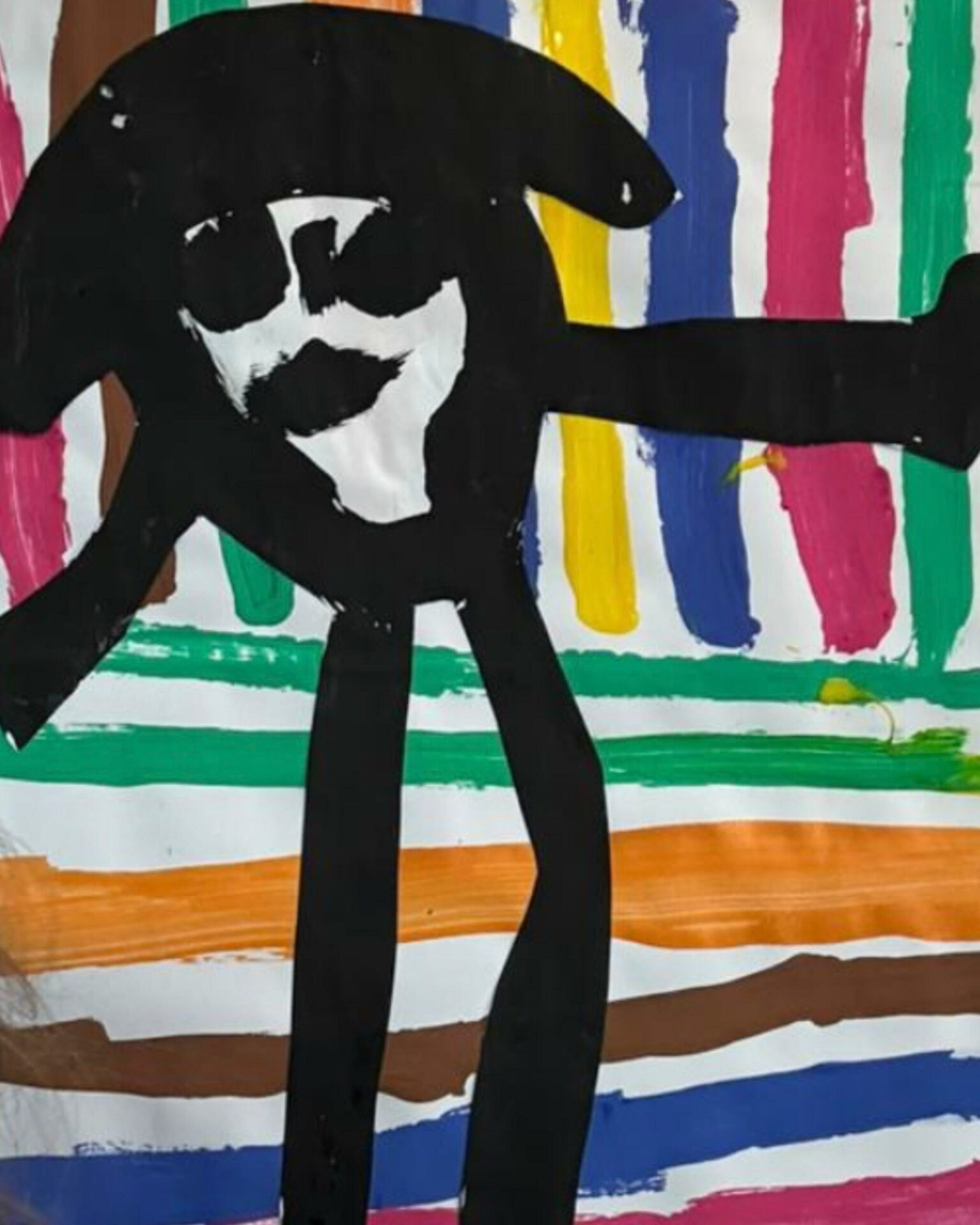
Critical Semiotics in the Age of Generative AI While the world celebrates the creativity of machines, human language is under siege. Beneath the rhetoric of efficiency, accessibility, and expanding possibilities, a silent operation is underway: governing language from outside lived…
When science lifts us: an intimate and planetary look at the CREW-11 launch
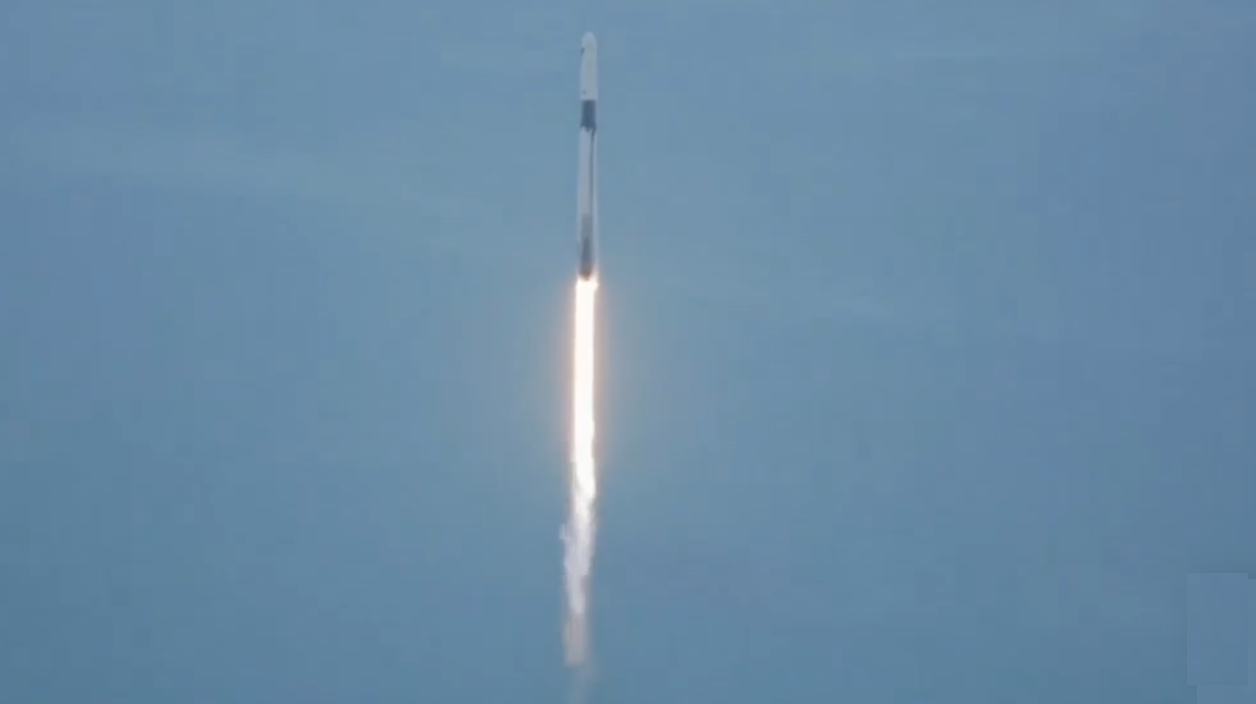
The sky opened not only over Florida. It opened over my chest. I saw it live, on the screen, but with the intensity of someone witnessing more than a launch: a reaffirmation of what we are still capable of doing…
The Caution Dilemma: Chile’s Inaction in the Face of Genocide in Gaza and Brazil’s Bold Leadership

I ADDRESS YOU, MR. PRESIDENT: While Brazil steps forward with decisive sanctions, President Boric’s ever-classic “let’s be cautious” reveals itself as inaction that condemns Chile to the role of a mere spectator in the historic passage of a genocide. This…
The decline of the intelligence quotient in the digital age: cognitive reconfiguration and global trends
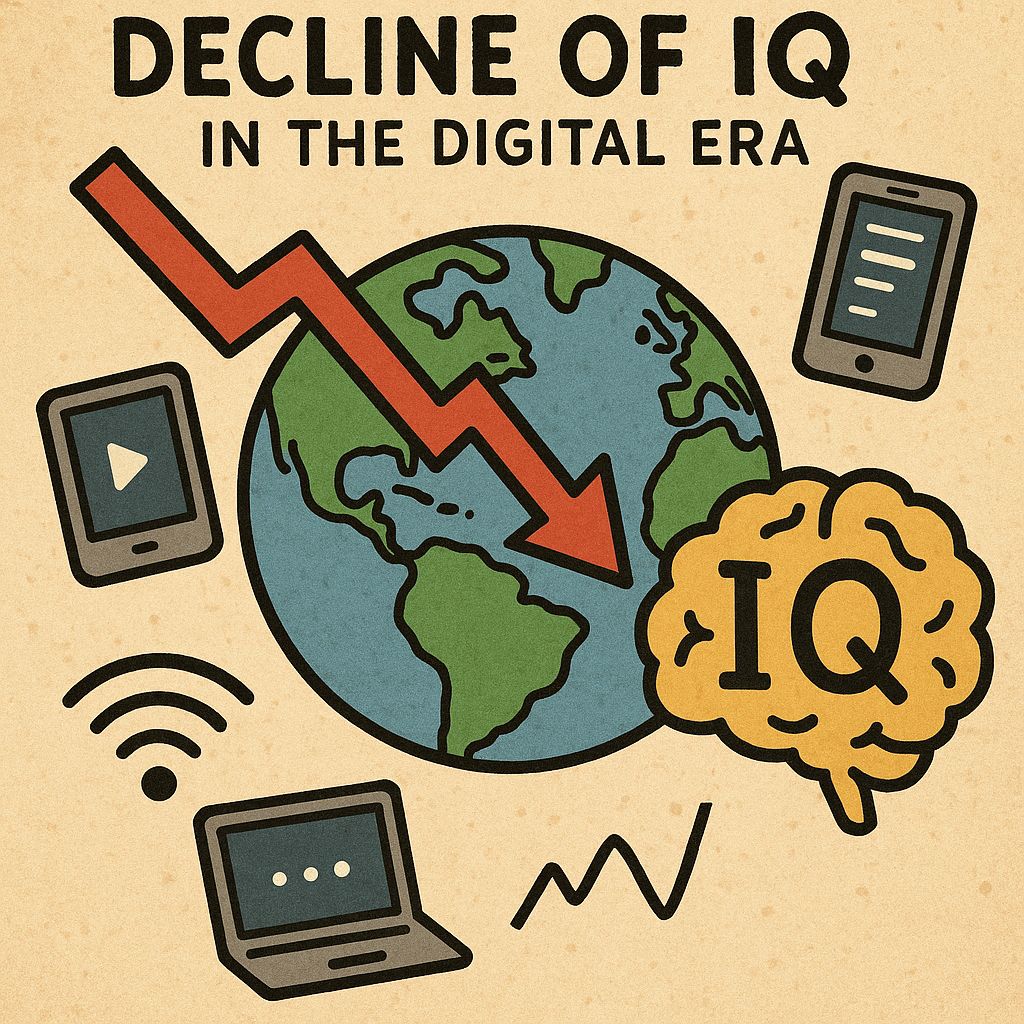
Throughout the 20th century, intelligence quotient (IQ) scores experienced a sustained increase—known as the Flynn Effect—which has been revised over the past two decades by new studies documenting a reversal in industrialized countries. This phenomenon, confirmed by longitudinal research and…
The Border as Wound: The Cambodia–Thailand conflict and the War over Temples
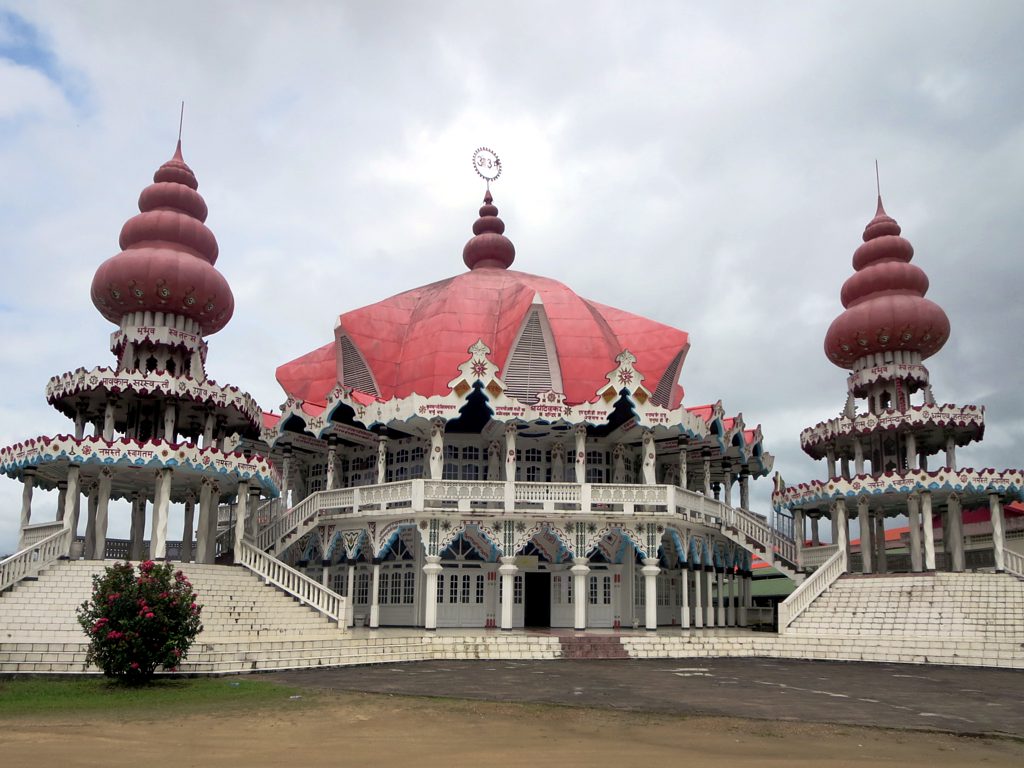
Some wars are being justified by maps, others by dogmas, and others by oil. But the most dangerous are fueled by symbols. And there is no symbol more flammable than an ancestral temple disputed by two wounded peoples. In the…
Hunger as Sentence: The “Final Solution to the Palestinian Question”, the Genocide the World allowed to happen
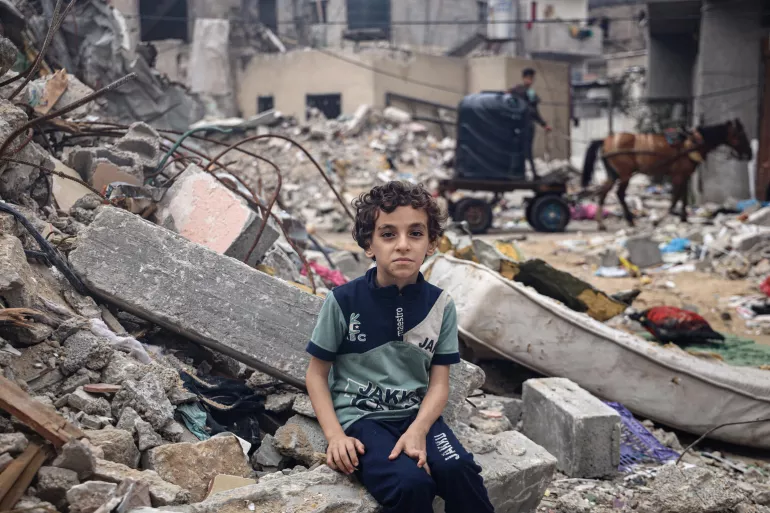
The image of a ten-year-old child weighing only 4.2 kilograms is not up for debate. It is not an opinion. It is not a symbol. It is evidence. Evidence so brutal, so simple, so definitive, that it exposes every word…
The struggle for Water: The Chile–UAE Treaty and the risk of Hydric Plunder in Patagonia
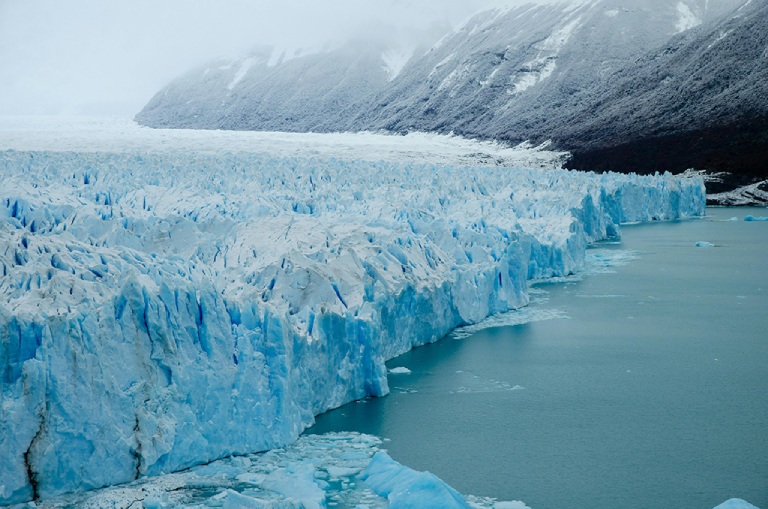
When a trade agreement becomes an ecological warning The recent submission of the Free Trade Agreement (FTA) between Chile and the United Arab Emirates (UAE) to the Chilean Chamber of Deputies has been celebrated by political and business sectors as…
Thinking from the South without staying in it
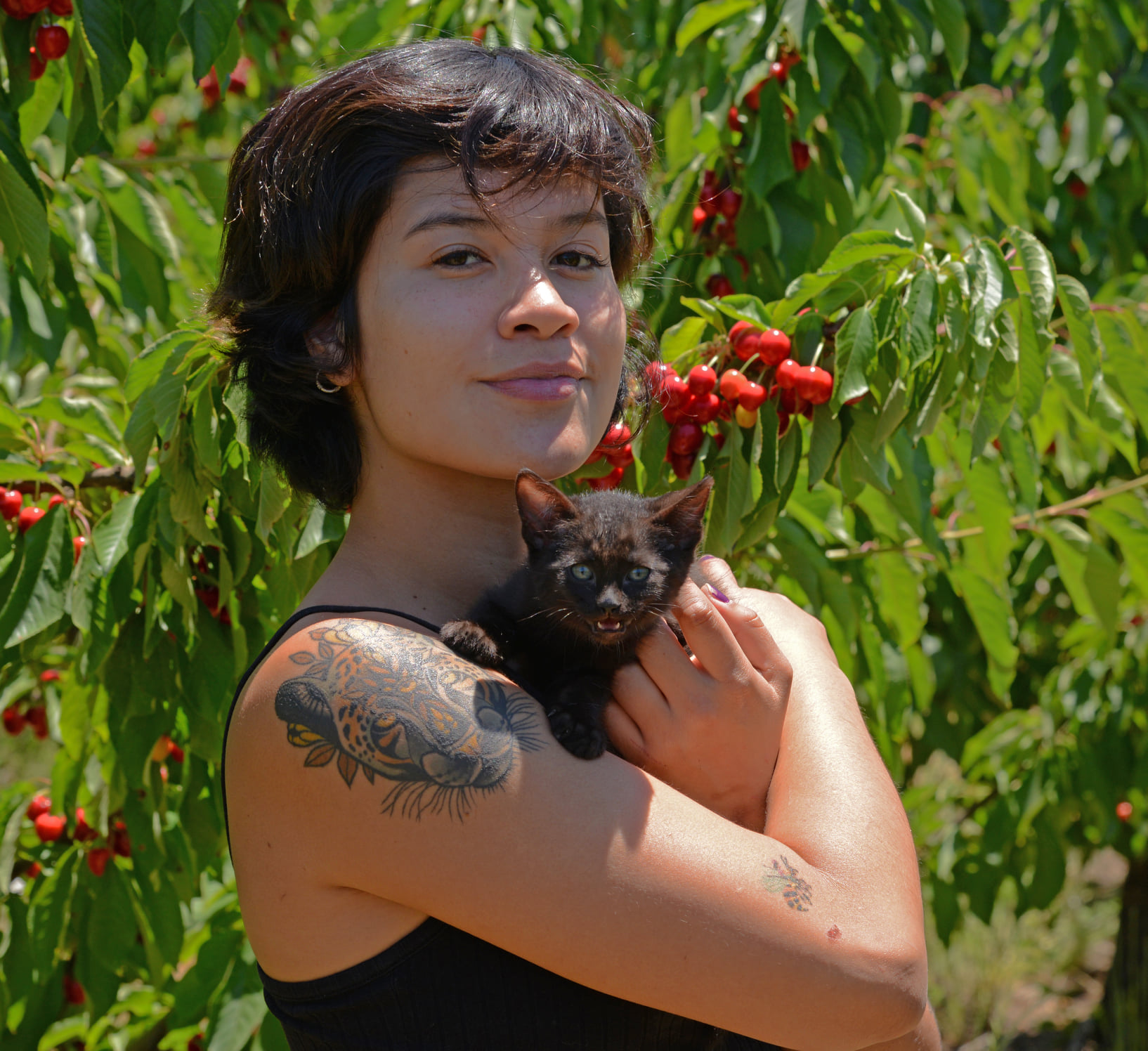
Language, decolonization, and sovereignty in the Age of Machines Much has been said about “thinking from the South” as if it were a label of resistance or a guaranteed place of enunciation. But living in the South is not the…
Book catalogue

Training in Nonviolent Journalism

Documentary Catalogue

Every Sunday
