
Urges Stronger Action to Advance Women’s Leadership in Industrial Development
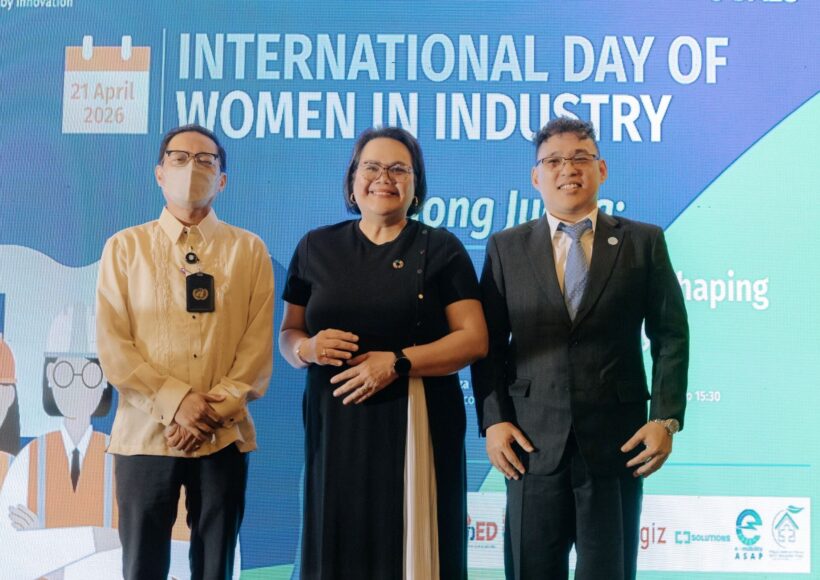
Quezon City, Philippines – 21 April 2026 — The United Nations Industrial Development Organization (UNIDO), together with partners DFA, DTI, DENR, DepEd, TESDA, PCW MinDA, UNFPA, Clean Air Asia, Ban Toxics, and HOPEx Environment Group Inc., marked a historic milestone with the Philippines’ first-ever celebration of the International Day of Women in Industry held under the theme, “Sulong Juana: Women Leadership in Shaping the Future of Industry.”
Convened at the Crowne Plaza Galleria in Quezon City, the event brought together senior representatives from government, the private sector, academia, and the development community to highlight the critical and growing role of women in advancing inclusive and sustainable industrial development.
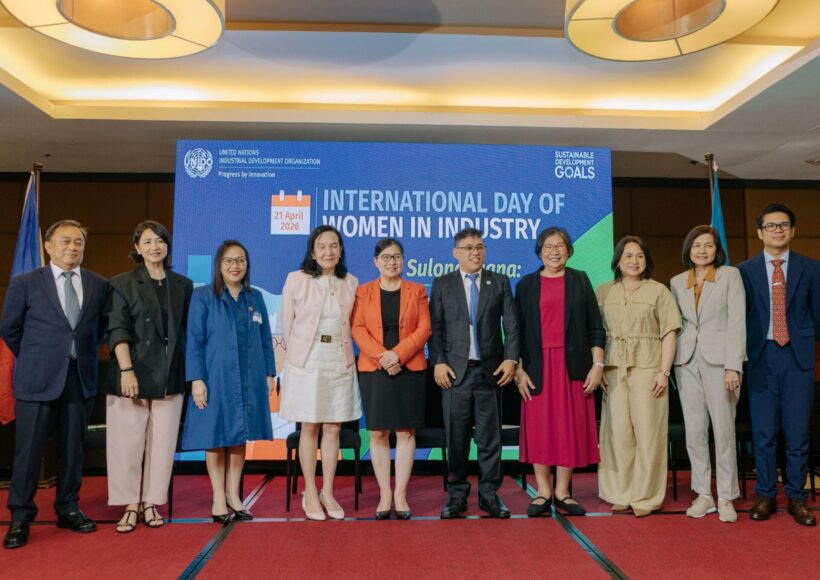
The observance forms part of a global initiative following the proclamation by UNIDO Member States designating 21 April as the International Day of Women in Industry. The 2026 celebration carries special significance as it coincides with UNIDO’s 60th anniversary, reaffirming the Organization’s enduring commitment to Inclusive and Sustainable Industrial Development (ISID) and the advancement of gender equality within the industrial sector.
Opening the event, UNIDO Country Representative Mr. Teddy G. Monroy underscored a central message of the celebration: advancing women’s participation in industry is not only a matter of equity, but a strategic imperative for socioeconomic transformation. “Across the world— and especially here in the Philippines— women in industry are driving transformations in all aspects of society and the economy: as engineers, technologists, entrepreneurs, workers, policymakers, and leaders. They are shaping industries, strengthening value chains, and championing sustainability. Their contributions are not only vital for gender equality— they are essential for socioeconomic growth, integration, environmental protection, competitiveness, and climate resilience,” he said.
While women represent approximately 40 percent of global manufacturing employment, they remain disproportionately concentrated in lower-skilled and lower-value segments of industrial value chains. In science, technology, engineering, and ICT, women continue to account for less than a quarter of roles, particularly in technical and leadership positions. These gaps contribute to persistent inequalities in wages, career progression, access to finance, and leadership opportunities.
The keynote address by Ms. Ma. Victoria A. Tan, former Executive Director of the Sustainability and Risk Management Unit of Ayala Corporation and currently a Sustainability and Resilience Consultant and Professional Lecturer, highlighted the transformative potential of women’s leadership in shaping sustainable and future-ready industries. “Sulong Juana is more than a slogan — it is a call to embed inclusion at the heart of industry, where women’s leadership drives competitiveness, resilience, and sustainability,” she says.
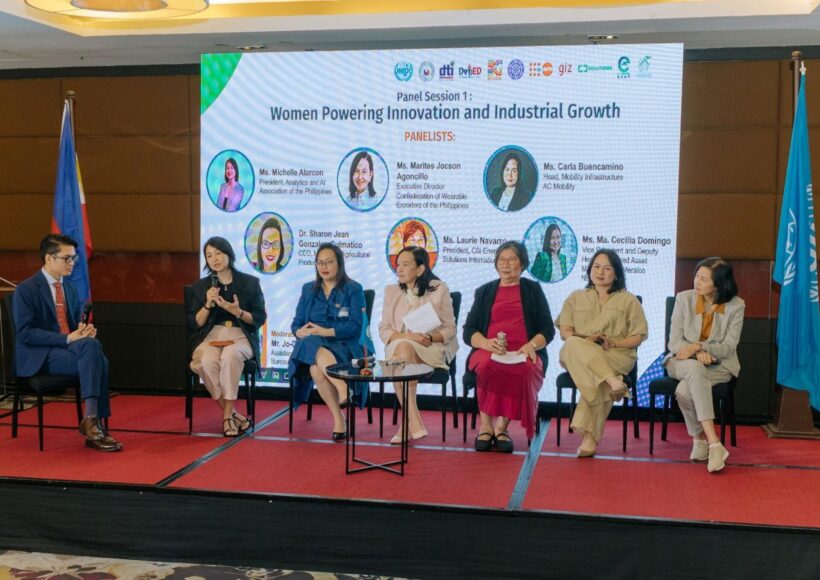
Two high-level panel discussions further explored the role of women in driving innovation and sustainable industrial transformation. Panelists consistently highlighted that women’s leadership, entrepreneurship, and technical expertise are essential to strengthening supply chains, advancing innovation, and improving industrial competitiveness. At the same time, the discussion acknowledged persistent challenges, including unequal access to finance, limited representation in decision-making roles, and entrenched gender biases in traditionally male-dominated sectors.
Breakout Sessions Deliver Action-Oriented Solutions
In the afternoon, thematic breakout sessions generated concrete and actionable recommendations across key areas, including e-mobility, circular economy, water–energy–food systems, future-ready skills development, and strategies to harness the demographic dividend by strengthening women’s participation in high- value sector through enhanced reproductive agency.
Participants emphasized the importance of creating enabling ecosystems that allow women to access, thrive, and lead in technical, managerial, and entrepreneurial roles across industrial sectors. “The discussions and insights we have fostered today have made clear that advancing e-mobility is not just a technological transition, but a social one. We find ourselves in a unique position of being able to create the change we want to see happen in developing the Philippine e-mobility industry, and we must take full advantage of it. In driving forward our transport sector’s shift to e-mobility, we must ensure that women are not only beneficiaries but active participants and leaders who shape policy, drive technical innovation, and make critical decisions across the sector. We are already seeing this with the women pioneers in leadership and technical roles today who are dismantling industry myths and helping redefine the sector’s professional identity. We have the opportunity to make this positive change systemic, and the gender action plans discussed today help us take this critical first step. This is what inclusivity must look like if we are to shape the future of Philippine Industry,” says Ms. Glynda Bathan-Baterina, Deputy Executive Director, Clean Air Asia after the solutions lab on gender-responsive e-mobility breakout session.
In one of the breakout sessions, the persistent barriers to women’s effective and meaningful participation and leadership in circular and green economy initiatives, particularly in the area of sustainable solid waste management was also discussed. “While the Philippines is making progress in its transition to the circular economy, we need to ensure that this transition is inclusive and equitable. Women, who play key roles as frontline workers, entrepreneurs, innovators, and household decision-makers remain underrepresented and under-recognized across value chains. Their participation remains concentrated in informal sectors and they continue to face institutional barriers to finance, technology, markets, and decision-making spaces. We need to close these gaps in women’s equitable participation through intentional, cross-cutting interventions that are grounded in their lived experiences, supported by responsive feedback mechanisms that center their needs and perspectives,” says Athalie Reyes, Senior Manager for EPR & Projects, HOPEx Environment Group, Inc. (PCX Solutions).
Mr. Jam Lorenzo, Deputy Executive Director, BAN Toxic, also added, “Multi-stakeholder approaches which highlight the participation of groups such as women and marginalized sectors have been proven as effective measures to promote circular economies. Their roles in establishing women-led, community-based systems have contributed towards improved waste management capacities at the local levels. Waste workers – both formal and informal – drive environmental sustainability through materials recovery, cooperative governance, and micro enterprise development while addressing socio-economic realities. However, women are impacted by the lack of access to financing, training, and formal recognition, highlighting a critical gap between the role of women and the marginalization they may experience.”
A dedicated breakout session on the Water–Energy–Food (WEF) nexus, co-organized with the Mindanao Development Authority (MINDA), opened with a context-setting by Ms. Maris Cardenas, Executive Director of the Center for Empowerment, Innovation, and Training on Renewable Energy, who framed the relevance of the WEF nexus to sustainable industry in the Philippines, highlighted emerging opportunities across WEF-related sectors, and underscored why gender equality in these industries matters. The session then featured inspiring talks from Ms. Danielle R. Del Rosario, Chief Operating Officer of PHINMA – Union Insulated Panel Corp. and PHINMA Solar Energy Corporation, and Dr. Lei A. Pangilinan-Jamolin, Professor at UP Los Baños, who shared their experiences and concrete initiatives driving progress across WEF sectors. Discussions also surfaced persistent structural barriers and gaps that continue to limit women’s full participation and leadership in these industries, including among women-led MSMEs across the water, energy, and food value chain. The session was facilitated by Ms. Mari Trix Estomata, Senior Technical Expert on Digitalization and GIS of GIZ.
The breakout session “Empowering Women to Lead in Future-Ready Skills” opened with a context-setting presentation by Mr. Teddy G. Monroy, UNIDO Country Representative, who shared insights from The Future of Industries for Development: UNIDO’s Vision 2050. Moderated by DepEd Undersecretary Rafaelita Aldaba, the dialogue underscored the urgency of reskilling and upskilling the workforce, particularly women, to thrive in rapidly evolving industries shaped by digitalization and automation. Discussions emphasized cultivating human-centric skills such as creativity, resilience, and leadership, while highlighting the importance of stronger collaboration among government, industry, and academia to ensure inclusive pathways for women to lead in future-ready skills.
Acknowledging the persistent structural barriers that hinder women’s entry, retention, and advancement in the workforce, a UNFPA co-led breakout session underscored the critical role of reproductive agency as a strategic enabler of women’s participation in high-value sectors thereby unlocking individual potential and driving more inclusive and sustainable economic growth.
Across sessions, participants underscored the urgent need to accelerate women’s participation and leadership in industry, with particular emphasis on expanding meaningful roles in critical sectors such as water, energy, and food systems. Discussions highlighted the importance of intentionally creating and strengthening pathways for women’s leadership in these essential industries, recognizing their vital contributions to advancing inclusive and sustainable development outcomes.
To advance this vision, participants called for increased investments in skills development, particularly in emerging fields such as digital technologies, artificial intelligence, and advanced manufacturing, to better equip women for future jobs. They also emphasized expanding access to finance, mentorship, and market linkages for women-led enterprises, alongside promoting safe, inclusive workplaces and family-friendly policies to support women’s sustained participation and leadership.
Government representatives reaffirmed their commitment to advancing women’s role in industry through enabling policies and programs, recognizing that inclusive industrialization depends on the full participation and leadership of women across value chains.
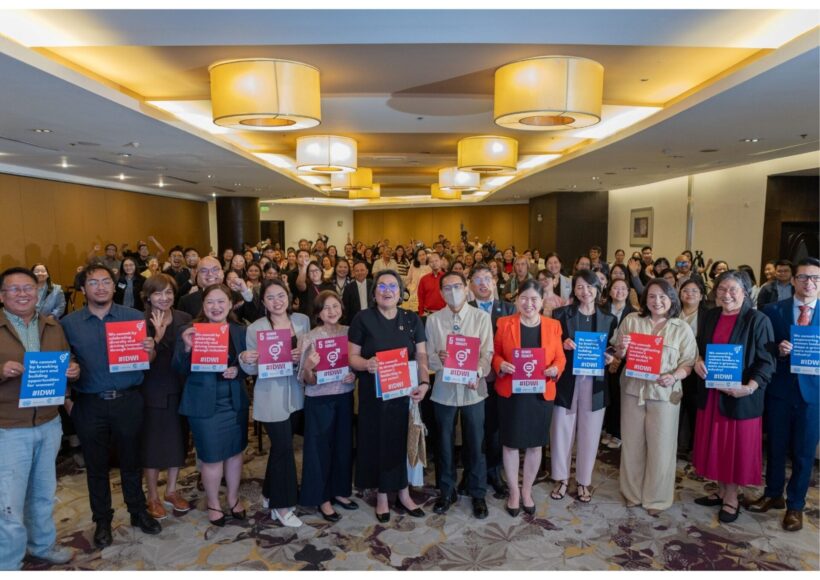
As the Philippines joins the global community in commemorating this landmark occasion, stakeholders reaffirmed a shared message: empowering women in industry is not only a matter of fairness—it is a fundamental driver of innovation, resilience, and sustainable economic growth. The event concluded with a strong call to accelerate collective action across government, industry, and development partners to ensure that women are not only participants in industrial transformation, but leaders shaping its future.
##########
For media inquiries, please contact:
Carmela Lagang | Communications Associate, BAN Toxics | 0905-341-5601 | clagang@bantoxics.org