
Throughout human history, the political dissident has been imprisoned, tortured, and murdered. Today’s dissident opposing the U.S. war machine is silenced by corporate media and punished by U.S. courts. And mostly – unseen. Why do they do it – when there is no chance of success? BCR podcast has been asking American dissidents that question for years.
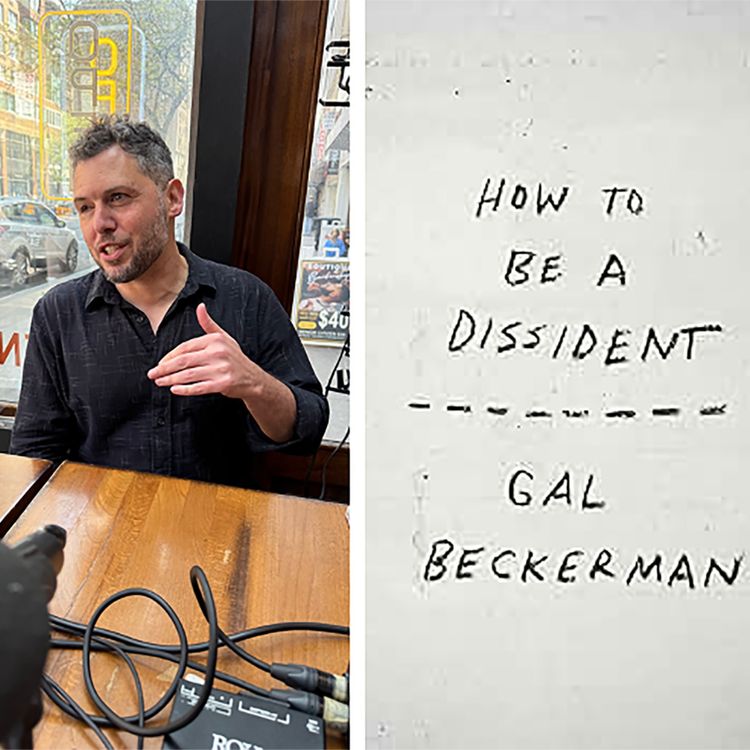
For BCR #273, we asked Gal Beckerman of The Atlantic about his new book – “How to Be a Dissident.” We wanted to explore why a person would purposefully break the law to engender human rights and world peace. Mr. Beckerman’s book is organized by ten qualities of the dissidents now and in the past. We focused on three: The dissident practices “hopeful pessimism” — faces imprisonment and death as an individual but within a community of fellow protestors — has little concern for outcomes and is thus “reckless” in their actions.
What I got from our conversation: Gal’s journey in writing “How to be a dissident” began with a nightmare of being interrogated for some act of civil disobedience he committed which led him to the question: Should I be a dissident–to help bring about a humane future for my young daughters? I suggest that readers of Beckerman’s book start with this question.