

Bangladesh Bank’s New Roadmap
by Mynul Hasan Sohel (Dhaka Bureau)
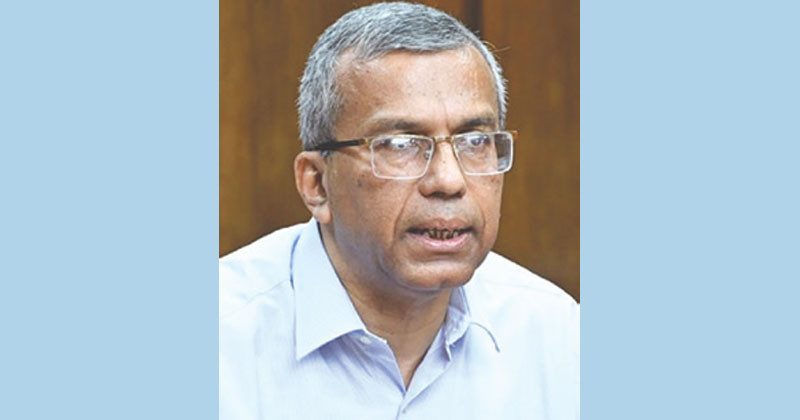
Bangladesh, an emerging economy in South Asia, has announced an ambitious plan for a radical transformation of its financial sector. The newly appointed Governor of the country’s central bank (Bangladesh Bank), Mostakur Rahman, has stated that the primary goals are now to make the banking sector entirely free from political influence and to build a modern ‘cashless’ economy. The Governor shared these insights during an exchange of views with senior economic reporters at the Bangladesh Bank on Sunday.
Against the backdrop of recent global instability and internal challenges, financial analysts view this announced roadmap as a bold step toward restoring economic stability in the country.
Governor Mostakur Rahman made it clear that no political pressure would be entertained in ensuring professionalism within the banking sector. He stated ‘Our top priority is to keep the financial sector free from political influence. Our core tasks are to ensure professionalism in policy-making and to restore public confidence in banks.’
As part of these reforms, the process of restructuring the boards of troubled banks and appointing efficient management has already begun. Furthermore, stringent legal measures, including regular monitoring and the signing of NDAs (Non-Disclosure Agreements), are being implemented to recover stolen assets laundered abroad.
To transition into a digital economy, the use of a single, uniform QR code (Bangla QR) will be made mandatory nationwide starting July 1. This initiative aims to ensure transparency in transactions, reduce tax evasion, and increase government revenue. A deadline of June 30 has been set for all financial institutions to implement this unified system.
Regarding Investment in the Youth and Manufacturing sectors, the Governor announced:
A 600-crore BDT Startup Fund has been established to alleviate unemployment and create jobs. Loan disbursement for young entrepreneurs will commence this June. Simplified loan facilities and online application platforms are being developed for Small and Medium Enterprises (SMEs).
Addressing the issue of shuttered industrial units, the Governor noted that specific directives have already been issued to banks to restart closed factories to protect national assets. Additionally, a decentralization plan has been adopted to increase credit flow into Agri-based industries and agricultural technology.
The ongoing conflict in the Middle East has introduced new risks for the Bangladeshi economy, particularly concerning rising fuel import costs and potential impacts on remittance inflows. Deputy Governors cautioned that an increase in global oil prices would create challenges in controlling inflation.
To Mitigate this Crisis
The process of securing approximately $3 billion in budget support from the IMF, World Bank, and ADB is in its final stages. Describing the current reserve situation as a ‘Safe Zone,’ the Governor stated that efforts are underway to keep the market stable without significant currency depreciation.
A Vision for the Future
Bangladesh Bank is engaging in regular dialogues with business forums to establish collective banking practices and resolve issues facing large industrial groups. Economists believe that if this roadmap is executed correctly, Bangladesh will not only avoid the risks of a global recession but also move toward a transparent and modern economic structure.
In this era of global uncertainty, these timely steps by the central bank send a positive signal to both domestic stakeholders and foreign investors. Bangladesh’s new economic future is being built on three pillars: transparency, accountability, and technological integration.
———————————————————————————————————————————————————
 Mynul Hasan Sohel: Special Correspondent, Daily Inqilab, and Executive Editor (Honorary), Pressenza- Dhaka Bureau.


