

Another round of tensions between Pakistan and Afghanistan is unfolding — and it is far more complex than a simple border dispute. The roots of this conflict lie in a tangled web of historical grievances, geopolitical rivalries, and competing national narratives. From the unresolved Durand Line issue to the legacy of jihadism, from sectarian fault lines to the economic ambitions tied to the Belt and Road Initiative, the story is layered and combustible.
The relationship between the two neighbors has long been marked by suspicion and intermittent hostility. The Durand Line, drawn during colonial rule, remains a deeply contested boundary in Afghan political discourse. Meanwhile, decades of war in Afghanistan have allowed militant networks, proxy actors, and war economies to flourish, often spilling instability across borders. Terrorism, for some groups, has evolved from ideology into a survival strategy.
Yet the current escalation cannot be understood in isolation. The so-called “greater games” of global and regional powers continue to shape South Asia’s security landscape. India’s expanding strategic partnerships, including its growing closeness with Israel, add another layer to regional calculations. Pakistan, meanwhile, views certain Afghan factions as influenced or supported by external rivals. Iran, too, stands in an increasingly tense environment, surrounded by American military presence in the broader region. The United States maintains a strategic footprint that affects power balances far beyond its immediate engagements.
In such a volatile environment, misinformation and disinformation act as accelerants. Social media amplifies rumors. Nationalist rhetoric replaces sober analysis. Egoism and arrogance — both domestic and international — overshadow rational diplomacy. Political elites, driven by short-term calculations or internal pressures, often escalate rather than de-escalate crises.
Geography itself compounds the problem. The mountainous frontier is difficult to monitor, easy to exploit, and historically resistant to centralized control. Skirmishes, cross-border attacks, and retaliatory strikes quickly spiral into broader confrontations. Reports of killings and violence from border areas further inflame public sentiment on both sides.
The most troubling reality is that war, once ignited, rarely remains confined. A regional blaze does not respect borders. It consumes economies, destabilizes societies, and strengthens the very militant networks it claims to fight. In many conflict zones, war becomes an economy of its own — benefiting those who thrive in chaos while ordinary citizens bear the cost.
What makes this moment particularly dangerous is not merely the presence of conflict, but the absence of rational restraint. In an era where power politics dominates, and pride often substitutes for policy, reasoned dialogue appears unfashionable. The language of compromise is drowned out by the language of strength.
Whether we choose it or not, the region is being pulled into a widening vortex of insecurity. The fire that burns on one frontier can quickly spread to others. The question is not who can win a war, but who can prevent one.
History suggests that arrogance fuels wars, while wisdom prevents them. The region now stands at a crossroads — between escalation driven by ego, and stability shaped by difficult but necessary diplomacy.
What makes this moment particularly dangerous is not merely the presence of conflict, but the transformation of how wars are fought. The battlefield is no longer limited to soldiers facing each other across trenches or even along rugged mountain borders. It now extends into the sky.
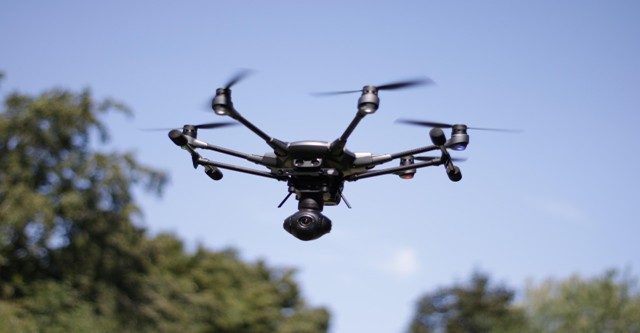
The rapid spread of drone technology has altered the nature of both state warfare and non-state violence. Once the exclusive domain of powerful militaries, drones are now cheaper, more accessible, and increasingly used by militant organizations. Commercial quadcopters can be modified to carry explosives. Surveillance drones provide real-time intelligence to insurgent groups. Precision strikes, once a symbol of state monopoly over force, are no longer exclusively controlled by governments.
This technological shift lowers the threshold of conflict. A single drone strike — whether conducted by a state actor or a militant network — can provoke retaliation without the visible movement of troops. Attribution becomes murky. Escalation becomes easier. Denial becomes convenient. In such an environment, miscalculation is not an exception; it is a structural risk.
Terrorism, too, is adapting. The logic of asymmetric warfare thrives on innovation. Drones allow small groups to project power far beyond their physical capacity. They create psychological fear disproportionate to their size. They blur the line between conventional warfare and insurgency. The frontier between Pakistan and Afghanistan, already difficult terrain, risks becoming a laboratory for this new, low-cost aerial warfare.
The convergence of regional rivalry, ideological militancy, and emerging drone technology creates a volatile mix. In previous decades, wars required mobilization, logistics, and visible preparation. Today, a conflict can intensify through silent flights across dark skies.
If rational diplomacy continues to weaken while technological lethality expands, the region may find itself trapped in a cycle of retaliation that is faster, less predictable, and more destructive than before. The fire on the frontier is no longer fueled only by history and politics — it is now powered by code, circuitry, and remote control.
History teaches that arrogance fuels wars, while wisdom prevents them. In the age of drones and decentralized violence, wisdom is not merely desirable — it is urgent.



