

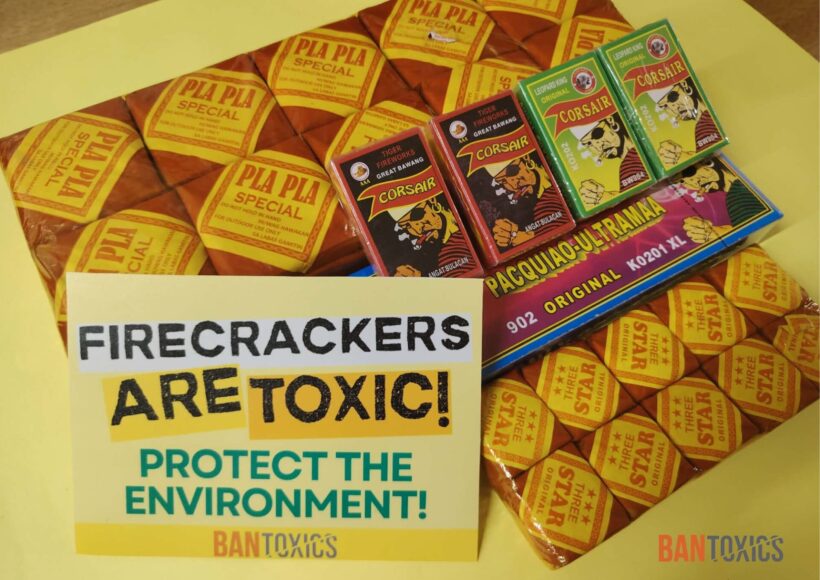
Days before the New Year’s Eve celebrations, environmental watchdog BAN Toxics appealed to the Philippine National Police and regulatory agencies to intensify enforcement against the manufacture, distribution, sale, and use of prohibited firecrackers to prevent physical injuries and harmful health exposures.
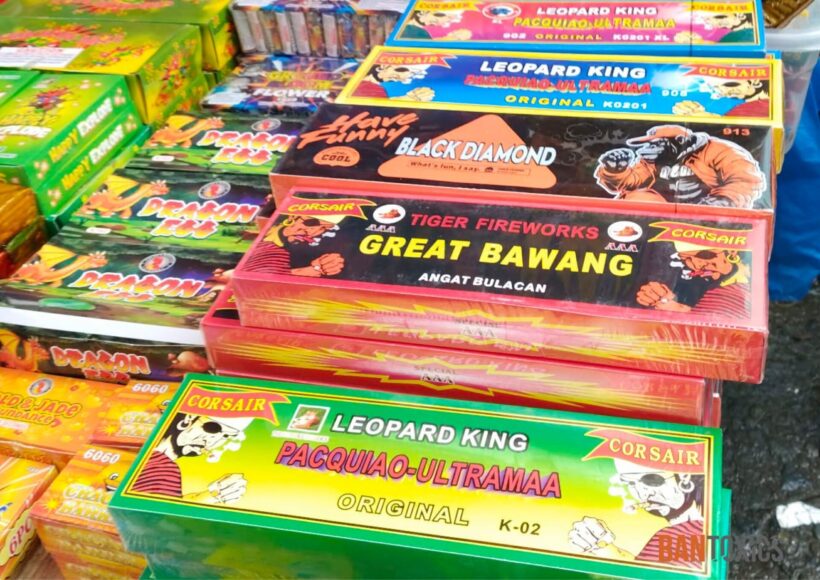
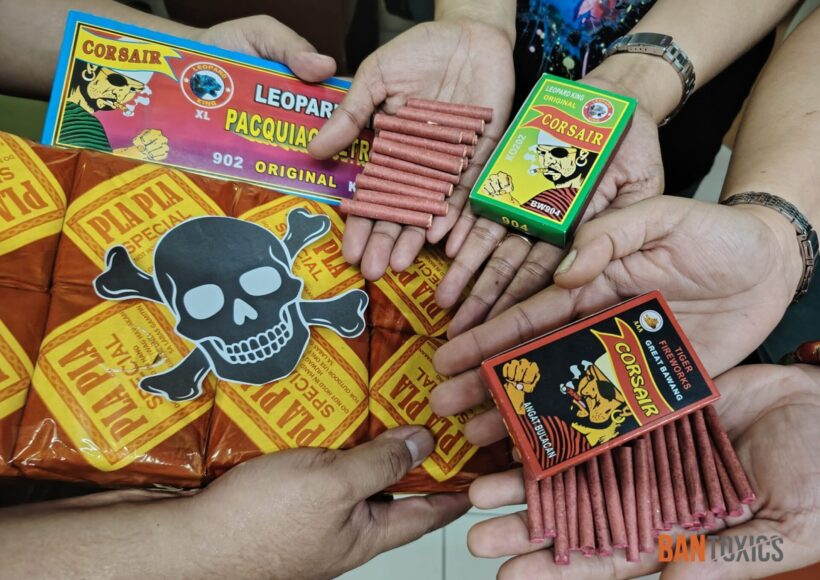
During recent market monitoring, the group found several illegal firecrackers being sold by ambulant vendors along M. De Santos Street in Divisoria, Manila, including Super Pla-pla, Five Star labeled as Three Star, and Piccolo. Super Pla-pla was discreetly offered for sale at PHP 450 per pack, Five Star at PHP 220 per pack, and Piccolo at PHP 280 per pack.
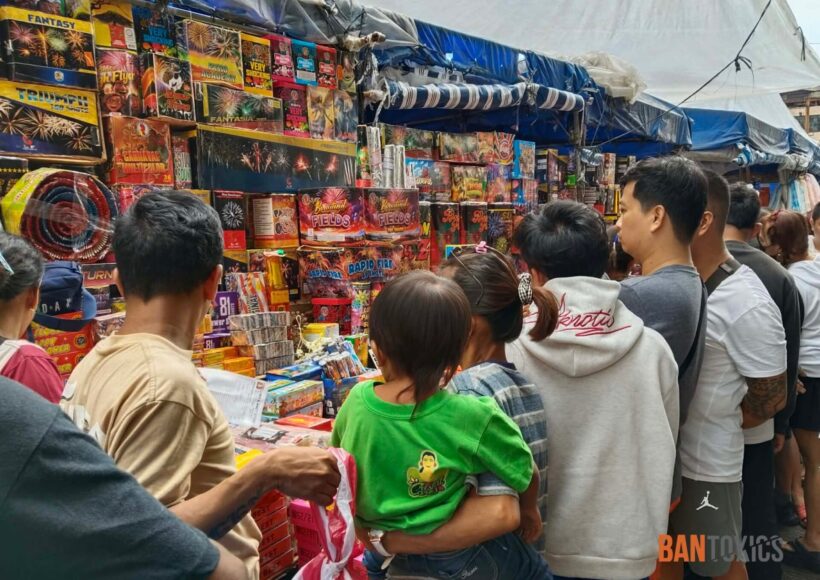
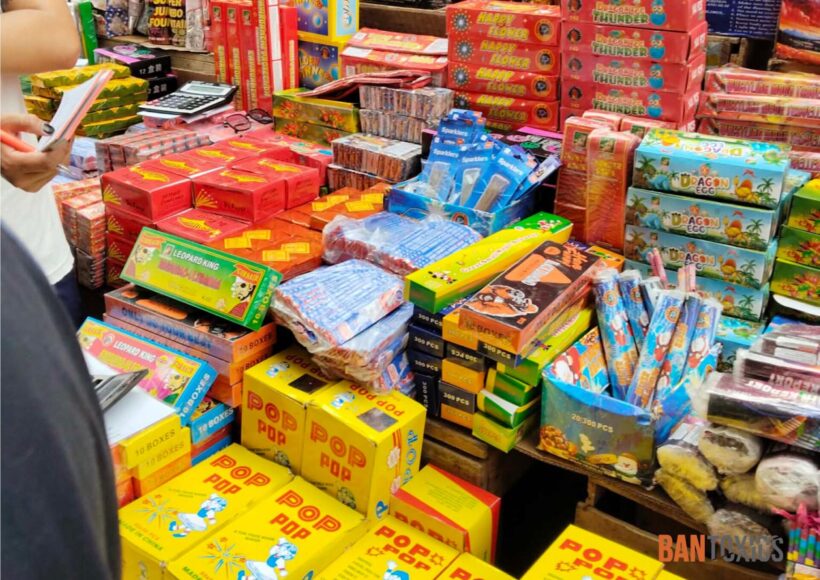
“The continued manufacture, sale, and use of illegal firecrackers are deeply alarming and frightening, especially when these end up in the hands of the public, particularly children. Firecrackers and pyrotechnics pose serious risks to health and to our environment,” BAN Toxics Advocacy and Campaign Officer Thony Dizon explained.
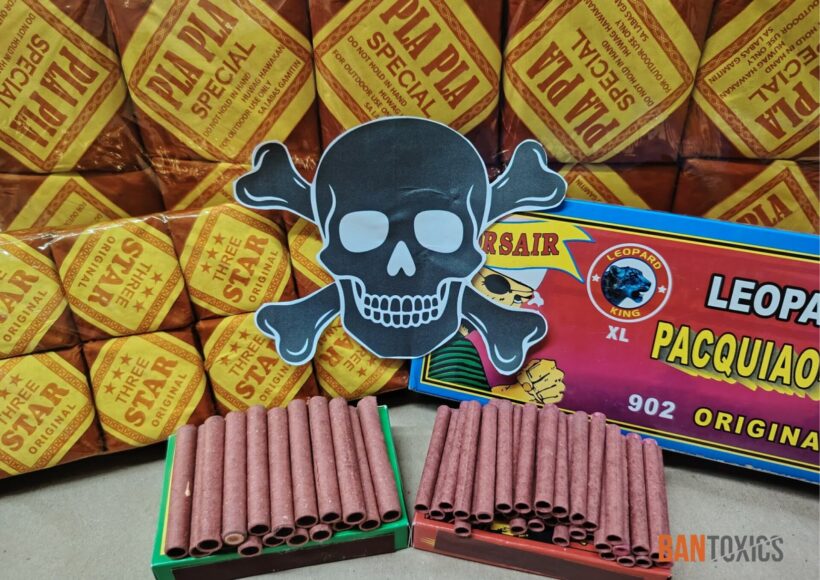
“We urge the PNP and LGUs to intensify on-site monitoring and confiscate illegal firecrackers as New Year’s Eve approaches,” he added.
According to reports from the Department of Health, firework-related injuries (FWRI) have already reached 28 cases, most of which involved minors aged 19 and below. The majority of victims were injured while using Five Star, Triangle, and boga, or improvised cannons. In 2025, firework-related injuries rose to 843 cases, representing an increase of about 38 percent from the 610 cases recorded in 2024.
The use of firecrackers in the Philippines is regulated under Executive Order No. 28, which limits fireworks use to authorized community displays conducted under controlled conditions. The group reminded the public that dangerous and illegal firecrackers remain prohibited under Republic Act No. 7183. These include Watusi, Poppop, Pla-pla, Piccolo, Five Star, Giant Bawang, Giant Whistle Bomb, Atomic Bomb, large-size Judas Belt, Super Lolo, Goodbye Bading, Goodbye Philippines, Goodbye De Lima, Goodbye Napoles, Coke-in-a-Can, Bin Laden, Pillbox, Kabasi, Super Yolanda, Boga, Kwiton, Hello Columbia, Tuna, GPH Nuclear, Special, Goodbye Chismosa, King Kong, and Dart Bomb.
Furthermore, unlabeled locally made Firecracker and Pyrotechnic Device (FCPD) products, other firecrackers sold under different brand names but of equivalent types, all imported finished products, and all overweight or oversized firecrackers containing more than 0.2 grams of explosive powder are likewise prohibited.
On December 12, BAN Toxics launched a nationwide campaign, “Iwas Paputok, Iwas Disgrasya, Iwas Polusyon,” to raise awareness of the dangers of using firecrackers, protect children from toxic chemical exposure, promote safe and eco-friendly holiday practices, and help prevent or reduce FWRI.
Firecrackers release harmful pollutants, including PM2.5, PM10, nitrogen oxides, ozone, carbon monoxide, sulfur dioxide, and heavy metals such as cadmium, lead, and chromium. Prolonged exposure to these pollutants can damage the respiratory and nervous systems and increase the risk of cardiovascular and other serious health problems.
To prevent injuries, especially among children, the group urges the public to avoid spending money on firecrackers and fireworks. Instead, they promote safer alternatives, such as shakers made from old plastic containers, tambourines fashioned from used bottle caps, pots and lids, and maracas created from recycled cans, for a healthier and more environmentally friendly New Year’s celebration.
“We also remind the public of the hazards and harmful effects of firecrackers and fireworks on humans and animals,” Dizon added.
Firecrackers can cause significant distress to animal companions, particularly dogs, cats, and other domestic and stray animals. The sudden, jarring noises can be deeply upsetting. Studies show that up to 50 percent of dogs exhibit fear of firecrackers and fireworks. Because animals have more sensitive hearing than humans, high-intensity noises affect them more severely, often inducing fear and anxiety. Repeated exposure to such abrupt and unpredictable sounds can lead to phobias and heightened panic in many animals.
Media contact:
Thony Dizon, Advocacy and Campaign Officer
BAN Toxics, 0917-8322616



