

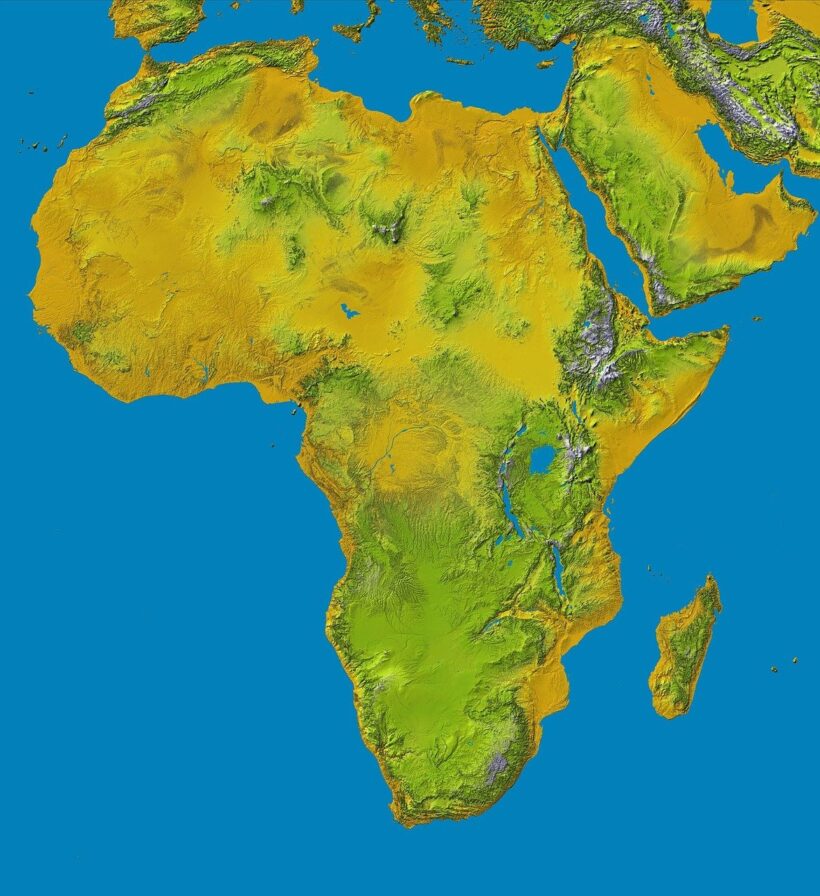
A growing movement is redefining Africa’s image on the international stage. So-called “narrative sovereignty” is emerging as a key strategic asset for the continent’s development. The concept, which upholds the right of African countries to tell their own stories, seeks to counter decades of external narratives that have distorted their reality and affected investment, diplomatic influence, and social trust. Experts such as Dorothea Hodge, founding director of Aequitas Global, argue that regaining control of the narrative helps close the gap between perception and reality, opening new opportunities for cooperation, respect, and economic growth.
This narrative shift coincides with structural transformations that reinforce Africa’s positioning as an emerging global actor. Strategic sectors such as clean energy and technological innovation are driving new stories of progress, led by young entrepreneurs, technicians, and engineers. In particular, the solar energy sector stands out as one of the largest job creators, with a projected growth rate of 23%, driven by private investment and the rapid expansion of off-grid and mini-grid systems.
The rise of solar energy is having a direct impact on economic inclusion, especially in rural areas historically marginalized from electricity access. These decentralized solutions not only power homes and industries but also position the continent as a global benchmark for renewable energy models adapted to local contexts, strengthening community economies and reducing development gaps.
At the same time, artificial intelligence is gaining ground as one of the engines of Africa’s future economy, with a market estimated at $16.5 billion by 2030. Its applications are already transforming sectors such as finance, agriculture, health, and education. However, analysts warn that without sustained progress in infrastructure, digital literacy, and equitable access, AI could deepen existing inequalities. With investments on the rise and innovation ecosystems expanding, the next five years will be decisive in determining whether this technological revolution translates into inclusive growth across the continent.