

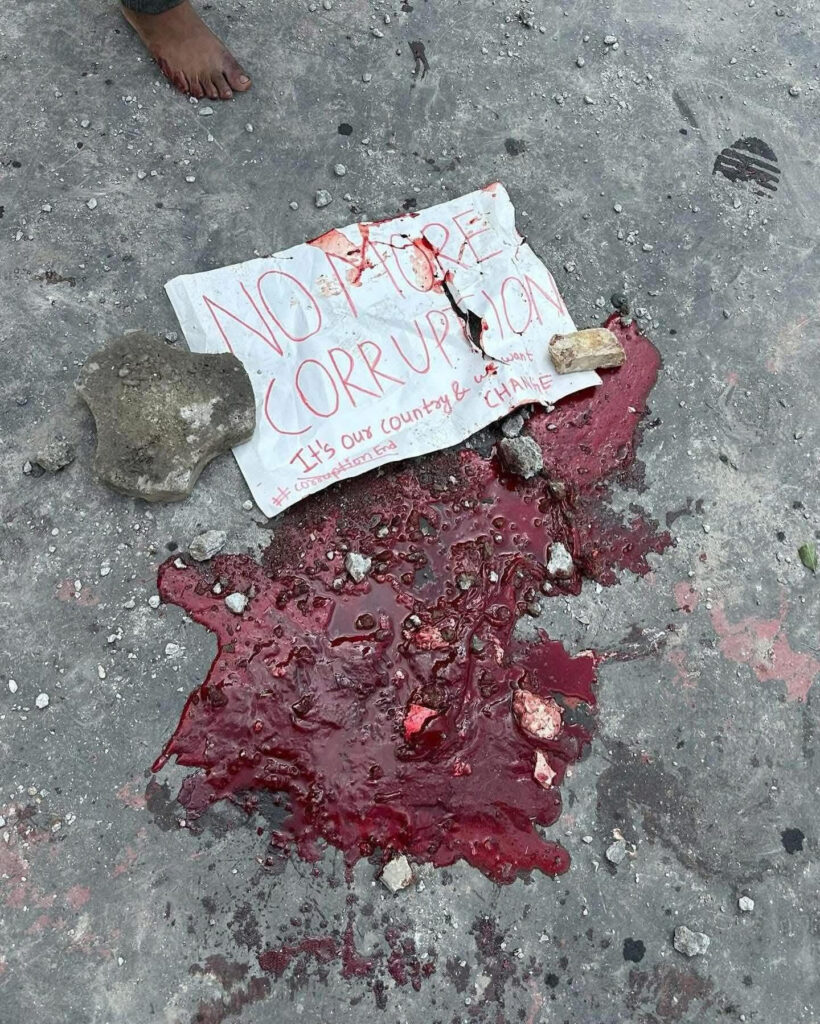
by Smriti Shrestha
Nepal became a federal democratic republic on May 08, 2008, but Nepal is still not a corruption-free country.
On September 8, 2025, Nepal’s youth, the Gen-Z, raised their voices against corruption. Many, who are students, showed up at Maitighar, Kathmandu-Nepal, some of them protesting with their uniforms on and their student identity cards hanging around their necks.
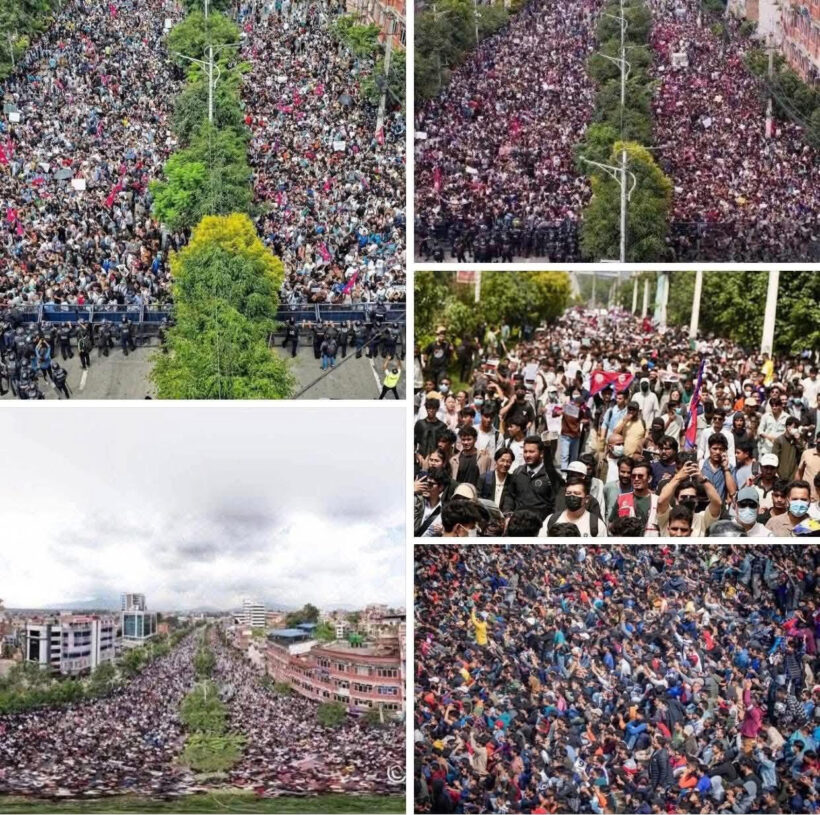
During the protest, the Nepal Police, who confronted the protesters, said they would use rubber bullets if the protest becomes wild. But metal bullets were found in the bodies of youths who were shot by the Nepal Police.
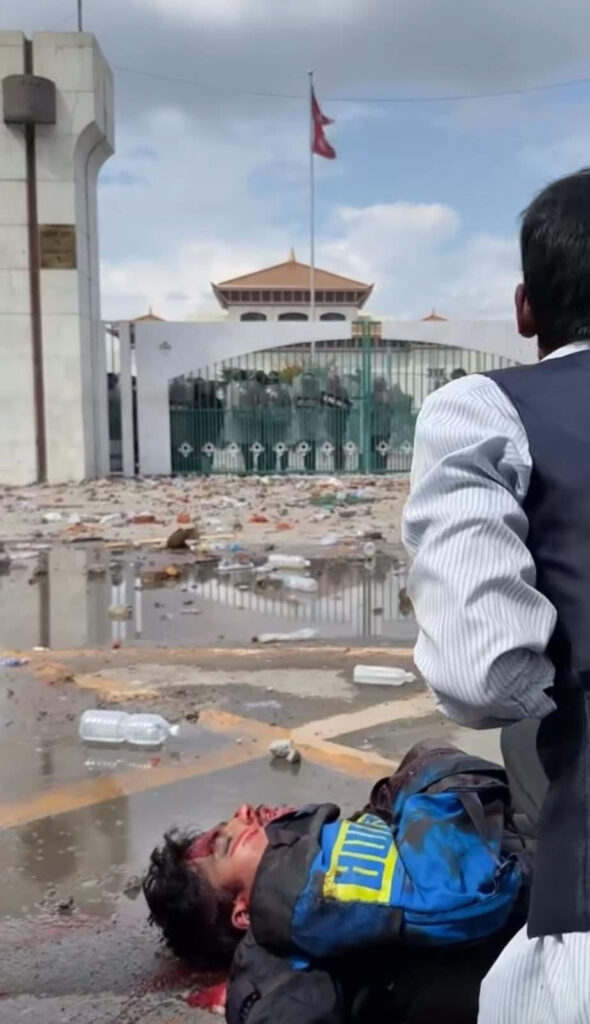
Knowing and seeing that the protesters were students and could be seen wearing their school and college uniforms, the police force of Nepal still opened fire on them. More than 20 were brutally killed. More than 200 youths were severely injured.
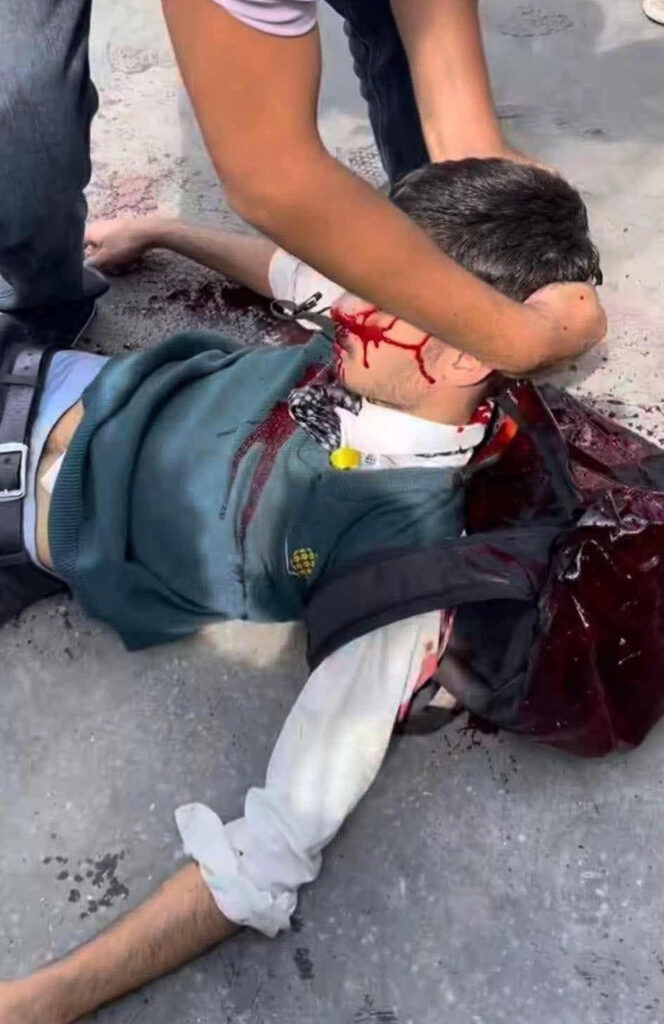
The Nepal Police force shot them, targeting their heads and chests, which led to on-the-spot deaths. Killing students while they are in their school or college uniforms even if they are on a protest is a serious crime. Under the Muluki Criminal Code 2017 (Homicide Section) of Nepal, such an act clearly falls under the category of murder.
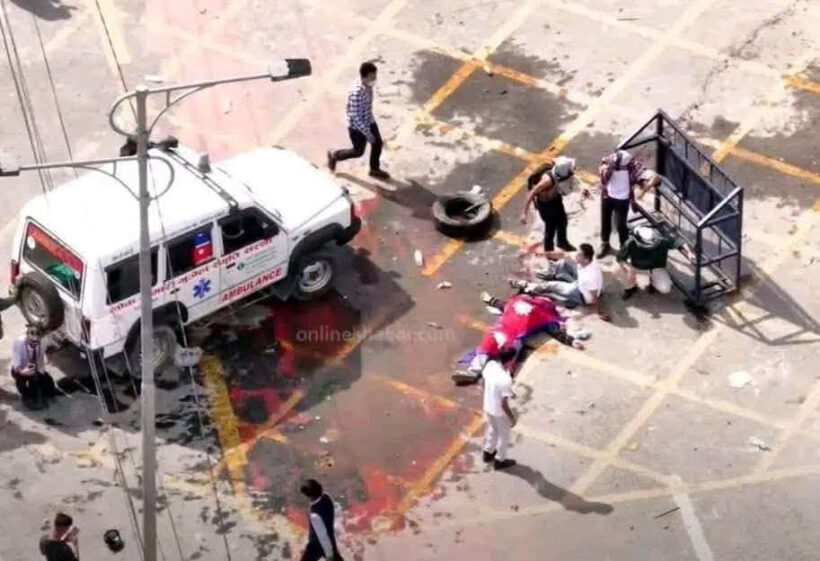
The constitution of Nepal, Article 16 guarantees the right to life. Firing on unarmed students in uniform is a direct violation of this fundamental right.
Similarly, under the Human Rights Law and the Civil and Police Acts, the use of excessive force by security personnel is strictly prohibited. Therefore, shooting and killing students in uniform during a protest must be legally treated and prosecuted as murder.
Ramesh Lekhak, who is the Home Minister of Nepal, gave the police force permission to shoot and take the lives of innocents. All the taxes paid by the Nepali to the government are from their hard work. But, instead of giving security, safety, jobs, and dignity, this Nepalese government bought guns to turn and use them against its own people. The whole government of Nepal, including KP Oli, a Nepali politician and Prime Minister of Nepal, Sher Bahadur Deuba, a Nepali politician and former Prime Minister, Pushpa Kamal Dahal, alias Prachanda, who is currently serving as the Leader of the Opposition, other ministers and politicians are blamed for the corruption in Nepal.
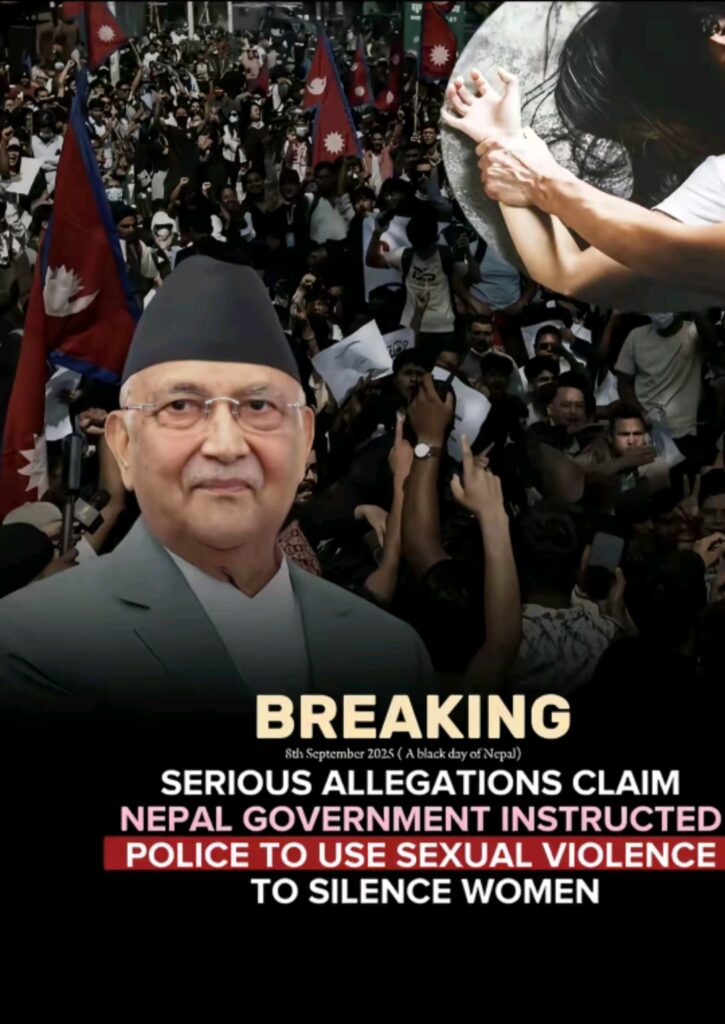
With the news spreading in Nepal, a serious allegation claims that the Nepal Government instructed police to use sexual violence to silence women.
Even though this protest started in Kathmandu Nepal, it’s nationwide now. Youths from different parts and places of Nepal like Dharan, Banepa, Dhulikhel, Panauti, Pokhara etc. are stepping out from their houses to protest and to speak up against corruption.
About the writer:
 Smriti Shrestha is a 22-year-old Nepali student, currently living in Banepa-Kavre, Nepal. She is an undergraduate student studying in the Business Studies faculty.



