

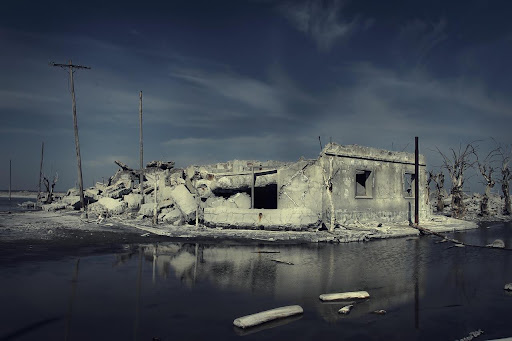
The recent floods in Punjab, Pakistan, present a formidable force of nature. The water, flowing from the northern highlands down to the southern plains, moves with an inexorable gravity. Its immense volume, destructive force, and dense, debris-filled current possess the terrifying ability to obliterate everything in its path that dares to create a hurdle, continuing its ancient and relentless journey towards the Arabian Sea. This path is the historic route of Pakistan’s rivers, which first converge into the mighty Indus. The Indus then bears the burden of these tributaries, along with the wreckage and silt they carry, finally emptying into the sea.
The intensity of this annual phenomenon is dictated by the monsoon season, a climatic pattern unique to South Asia. While other parts of the world may not be familiar with its ferocity, the people of this region are acutely aware of its life-giving and life-taking potential. Each year, the monsoon’s strength varies, but its impact is always profound.
However, the immediate destruction of the floodwaters is only the first chapter of the crisis. Once the waters recede, a second, more insidious disaster begins to break out. Stagnant water becomes a breeding ground for mosquitoes, leading to outbreaks of malaria, dengue, and other vector-borne diseases. Contaminated water sources spread cholera and diarrhea, particularly devastating rural and semi-urban areas with limited healthcare. For the poor, who are disproportionately affected, survival becomes even more difficult. This calamity arrives at a time when the nation had just begun to recover from the pervasive fear of geopolitical conflict with India, only to be swallowed by a natural catastrophe, with the specter of disease looming next.
Amidst this cycle of physical and psychological turmoil, a disturbing modern tragedy unfolds—a crisis of empathy. In an era saturated with digital sensation, the pursuit of virality often overshadows humanity. Rather than focusing solely on rescue efforts, a perverse habit has emerged where individuals prioritize recording distress on their mobile phones. The imperative to capture and share every moment of evil and calamity for social media validation creates a vortex of anxiety and fear, further eroding community spirit. This addiction to sensational news and the thrill of crisis undermines the stability and peace of mind that the region so desperately needs. It is a profound tragedy of the modern age that the impulse to film a drowning man can, at times, outweigh the instinct to save him.
In conclusion, the people of Punjab are besieged not only by natural disasters and their aftermath but also by a self-inflicted culture of sensationalism that deepens the collective trauma, preventing true healing and stability.



