

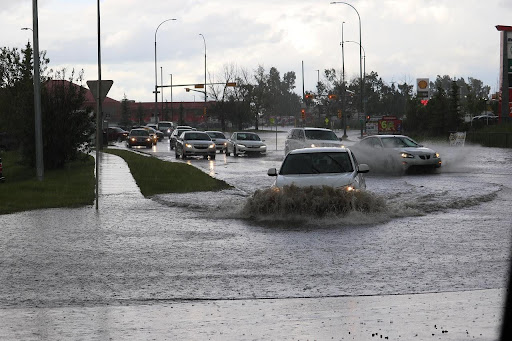
Water is governed by a fundamental and unyielding principle: it flows downward. From its origins in the melting ice of glaciers, it follows the relentless pull of gravity, carving its way through continents until it merges with the sea. This journey is an immutable force of nature that cannot be halted—only misguidedly altered, often with severe and unintended consequences.
This dynamic is acutely visible in regions like the Himalayas, the vital source of the great river systems that sustain Pakistan and India. Here, extensive human intervention has profoundly disrupted the natural hydrological cycle. A proliferation of infrastructure—including dams, barrages, and canals—has been constructed in the name of hydroelectric power, irrigation, and urban development. While designed for control, these artificial hurdles often achieve the opposite effect. By constricting the river’s natural path, they accelerate its velocity, transforming a managed flow into a devastating torrent. The result is written across the subcontinent in the increasing frequency and intensity of catastrophic flooding, where engineering marvels become catalysts for disaster.
Furthermore, water is inherently oblivious to human geopolitics. It recognizes no political borders and requires no visa or government permission to cross from one nation to another. Recent cross-border flood events serve as a stark demonstration of this reality, where surging waters effortlessly obliterate human-drawn lines on a map, destroying communities and ecosystems without distinction. This presents a profound challenge that demands international cooperation over isolated national policy.
Ultimately, the escalating destruction is not a purely natural disaster but a man-made crisis amplified by natural forces. We have profoundly disrupted the environment through a trilogy of unsustainable practices: rampant deforestation, which strips the land of its natural absorbency; the emission of greenhouse gases, which accelerates glacial melt and disrupts global precipitation patterns; and the large-scale engineering of rivers without a comprehensive understanding of the systemic consequences. These actions have created a dangerous feedback loop: in our attempts to control water, we have instead intensified the very deluges we seek to master, revealing a critical failure to work with, rather than against, the logic of nature.