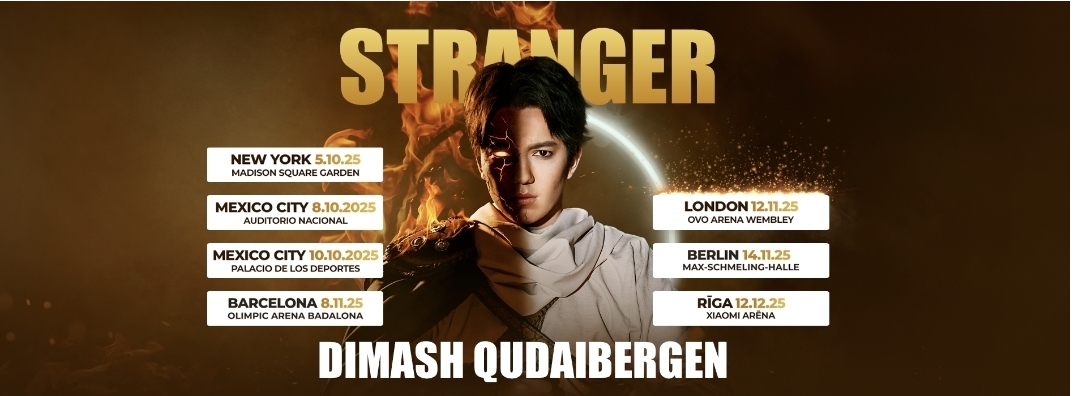
The performance of Plácido Domingo, José Carreras, Dimash Qudaibergen—standing in for the late master of all masters, Luciano Pavarotti—and cellist Stjepan Hauser in the final of Virtuosos, delivering a moving rendition of the classic My Way, became an event of profound semiotic and cultural resonance. What unfolded was not a mere tribute, but a reconfiguration of the concept of “The Three Tenors,” an act in which generations at temporal antipodes clasp hands to refresh that very idea. This fusion, aptly described as a sweetness of historicity, is a tender braiding of voices and signs—both an encounter and a farewell within their artistic and vital trajectories.
On a semiotic level, the original Three Tenors—Pavarotti, Carreras, and Domingo—functioned as symbols and indices of opera’s 20th‑century zenith. Their massive popularity and ability to fill stadiums marked a milestone in the democratization of high culture. They were guardians of a tradition; their voices signified grandeur and operatic mastery. Yet their last performance also carried an indexical value of farewell, closing an era.
The new formation introduces fresh signifiers and meanings. The inclusion of Stjepan Hauser, a cellist, breaks the canon and expands the idea of “virtuoso interpretation” beyond the voice. The presence of Dimash Qudaibergen, not as a simple third tenor but explicitly assuming Pavarotti’s mantle—his “greatest idol”—turns the performance into a passing of the torch. This symbolic act of succession lends the event incalculable historical weight. As Plácido Domingo himself stated (quoted in El País, 2024), “He is the future. The world must hear Dimash’s voice.” Such a declaration from a pillar of tradition amounts to consecration and legitimizes the new generation’s place in history.
The imprint, execution, and meaning of this performance thus constitute a constructive mosaic of music history. It not only honors the original legacy but also expands and reinterprets it. The fact that the four emblematic judges of this global contest for young talents marked such a moment in musical history is itself a recognition of its transcendence. They validate the idea that this encounter represents a transport into the sublime, helping us understand what is meant by the image of two ends of the same ribbon: the ribbon binding music’s past to its future.
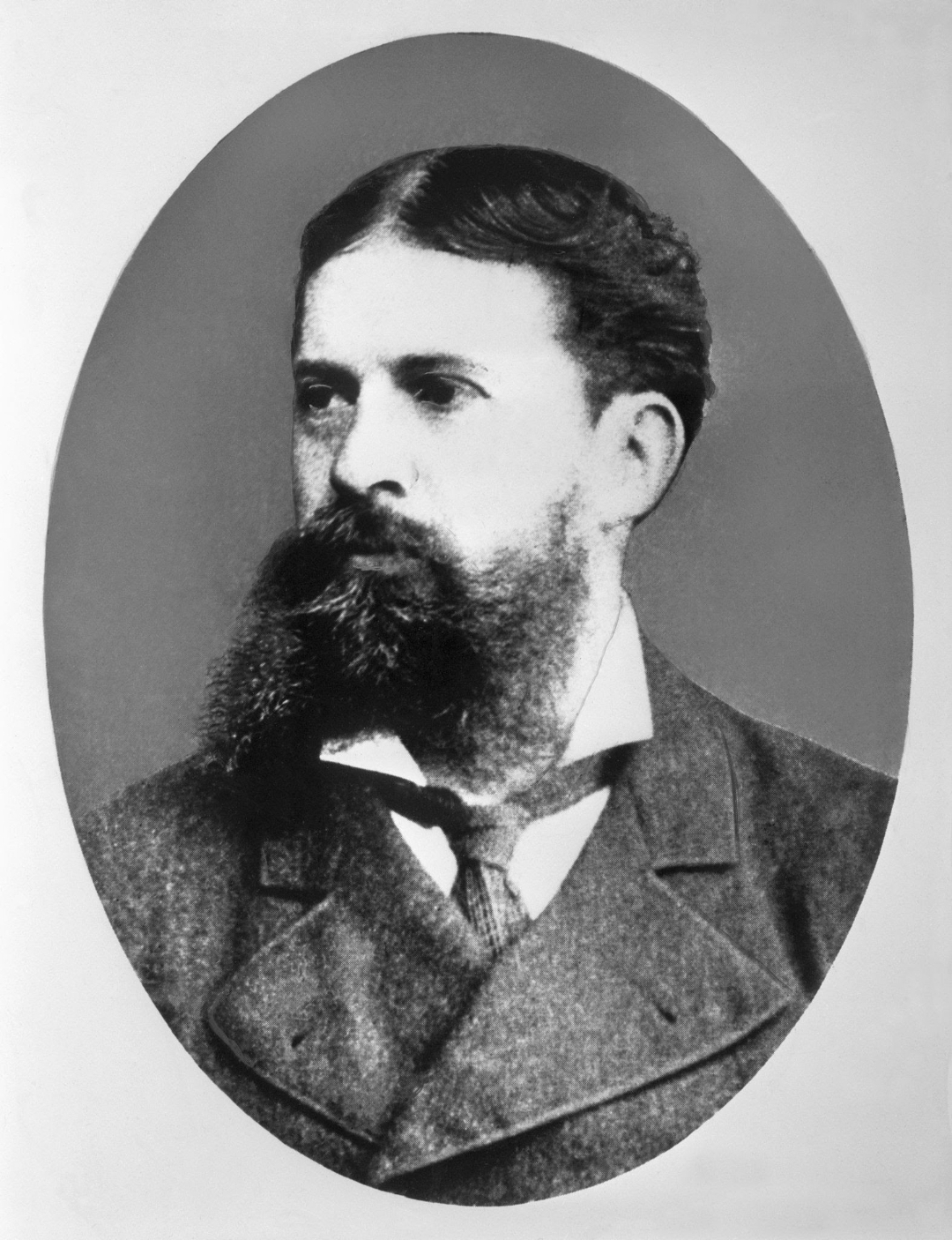
Through a semiological lens, this event can be approached with the theories of Charles Sanders Peirce and Umberto Eco. For Peirce, a sign consists of a representamen (the form of the sign), an object (what the sign refers to), and an interpretant (the meaning produced in the interpreter’s mind). Here, Dimash’s interpretation is the representamen; Pavarotti’s legacy the object. The interpretant is the audience’s feeling of continuity and renewal, a sense of optimism for music’s future. Eco posited that a sign carries not only literal meaning, but also cultural and social connotations. The collaboration of Dimash and Hauser demonstrates this clearly. The choice of piece, interpretive style, and juxtaposition of a classical tenor and a cellist are not accidental; they signify a paradigm shift. As Eco (1976) observed, signs are “cultural units representing something for someone in some context.” In this case, the context is the final of a global talent competition, and the “something” represented is not merely a song but the enduring capacity of classical music to evolve and captivate new audiences.
Dimash, with his extraordinary vocal range, his full command of breath, his dramatic interpretive depth, and his versatility across pop, opera, and traditional Kazakh music, stands as a symbol of the millennial generation. His rise to fame through digital platforms makes him an index of musical democratization in the digital age.
Dimash himself has reflected on this honor, noting in an interview with a Kazakh outlet (quoted in Tengri News, 2024) that “it is a dream come true to share the stage with legends like Domingo and Carreras, and to represent Pavarotti’s legacy.” His words underscore his awareness of the symbolic weight of his performance. The dichotomy between past and future, tradition and innovation, is reconciled in this encounter.
Dimash is the bridge between sonic and generational worlds. His ability to evoke operatic majesty while resonating with contemporary sensibilities makes him the perfect signifier of a new musical era. José Carreras, another of the original tenors, also expressed admiration for the new generation, declaring to a Spanish outlet (ABC Música, 2024) that “Dimash’s voice is a phenomenon. He is the future of lyric singing.”
The performance of the “new” Three Tenors in the Virtuosos final should not be judged solely by technical merits or flaws, but by its meaning as the common denominator of an infinite line. Beyond the imperfections inherent in any live interpretation and the natural limits of age, the four musicians carved a milestone in musical history. This event becomes a key and cult piece, a beacon demonstrating that the path of high‑quality music has not ceased. It represents a symbolic passing of the torch across generations, an act that allows us to remain optimistic about the musical future of the new millennium, even against the commercial hegemony of genres of lesser technical complexity. This profound convergence of bonds and voices confirms that the history of music continues to be written with mastery and virtuosity, showing that tradition can—and must—evolve in order to endure.
Newsletter
Enter your e-mail address to subscribe to our daily news service.
Donation
Support our Peace and Nonviolence journalism with your donation.