

Philippines. The University of the Philippines Marine Science Institute (UP-MSI) aims to preserve the country’s warm, colorful coral reefs by freezing its larvae in a cryobank very soon. This is a significant step in saving our vanishing coral reefs, and is a bold step to preserve our quickly-dying reefs, the Manila Bulletin said.
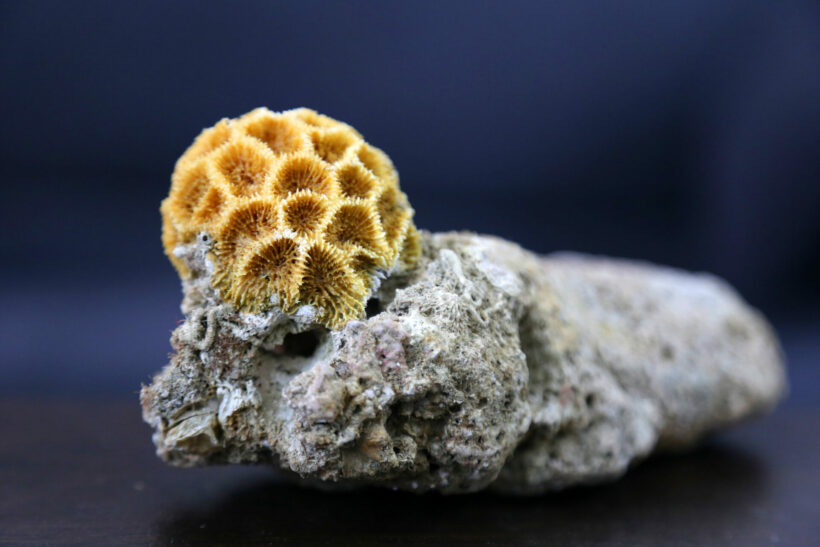
People often mistake corals for being underwater plants, but they are animals. Each coral is a colony of tiny creatures called polyps. Corals are relatives of jellyfish, and they provide the stony skeleton of our reefs. They look peaceful, but behind that calm façade, a bustling community is active, building one of the planet’s most vital ecosystems. It seems excellent, but it can collapse sooner than expected.
A cryobank is more familiar. Its freezing technology is primarily known to store human sperm. Using this technology to preserve early-stage coral larvae can better ensure the future of our fast-dwindling reefs. The Global Coral Reef Monitoring Network noted a 14% drop in corals from 2009 to 2018. Freezing larvae can be a safeguard against a bleak ocean in the future.
These reefs are often called “the rainforests of the sea” because they only occupy 1% of the world’s oceans, and yet they shelter more than 4,000 fish species and at least a quarter of all marine life. That’s a tremendous amount of biodiversity crammed into a tiny slice of the ocean.
And yet, despite their richness, they are fragile and vulnerable to our seas getting warmer due to climate change. This stresses corals, causing them to expel algae (zooxanthellae) from their tissues. The loss makes them resemble bleached white or pale skeletons. Should the stress persist, the corals may die. Pollution and overfishing are also threats, according to epa.gov.
Beyond their beauty and biodiversity, coral reefs, in tandem with coastal mangroves, act as natural seawalls, protecting communities from storms. They also put seafood on our plates and support the livelihoods of millions of people. They do all of this quietly, without demanding much attention until they’re gone. Only then do we realize how much we depended on them. By then, it will be too late.
A Historic Regional Effort
Because of this, the new cryobank is more than just a Philippine milestone; it’s part of a historic regional effort. Research teams from the Philippines, Thailand, Taiwan, Malaysia, Indonesia, and Timor-Leste have united for a project called “Coral Conservation Capacity Development in the Coral Triangle: A Cryorepository Network for Coral Larvae.” For the first time, the Coral Triangle, the global center of marine biodiversity, will have a network of coral cryobanks ready to act as life rafts for the reefs.
Dr. Maria Vanessa Baria-Rodriguez, head of the Philippine team, sees it as more than just an emergency measure. “It’s not just about preserving corals today,” she says, “it’s about building a foundation for future research and reef restoration that can benefit generations to come.”
The Philippine cryobank will soon take its place at the UP-MSI’s Bolinao Marine Laboratory in Pangasinan, standing as a frozen promise to the ocean’s future.
Baria-Rodriguez and her team are racing to lock away tiny seeds of the sea before more reefs are lost. It’s a race of “ice against the tides”. It’s an ambitious fight that we can’t afford to lose. Either that, or we may have to stop time itself – if we can.