

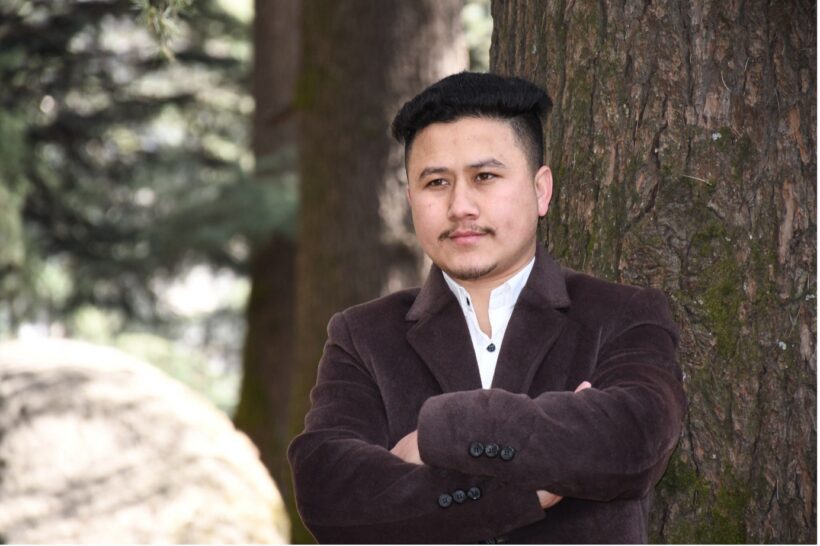
Roshan Shrestha didn’t set out to be a journalist. He was just a young man from Sindhupalchok with a phone in his hand and questions in his mind. When the 2015 earthquake tore through his village, he began filming—not for fame, but because no one else was.
In a place where life revolved around farming and the seasons, Roshan grew up without shortcuts. His school was public. His family depended on agriculture. There was no camera crew—just curiosity, and the will to speak up when others stayed silent.
He spent years helping villagers rebuild. Whether it was organizing small farming groups or guiding others through subsidy paperwork, he learned that stories start from the ground. That experience stayed with him.
When he returned to Kathmandu, he picked up his phone again—but this time, not to film broken buildings, but broken systems. His videos on Facebook didn’t come with graphics or flashy edits. They came with honesty. And people noticed.
In 2078 B.S., he started Khoj Samachar, a digital news platform. At first, it was just a website. Later, after COVID lockdowns eased, he began speaking directly to the camera. His voice reached thousands, especially youth who weren’t watching the evening news anymore.
In 2025, he launched a mobile app under his own name. No promotions, no paid reach. The app quietly gained over 100,000 downloads. It offered tools migrant workers needed and guidance young people were looking for.
Roshan’s story doesn’t fit the mold of typical journalists. But maybe that’s the point. In Nepal, where digital trust is still growing, voices like his are carving out space—not through influence, but through presence.
Roshan Shrestha, an independent journalist and founder of Khoj Samachar, a digital media outlet based in Kathmandu



