

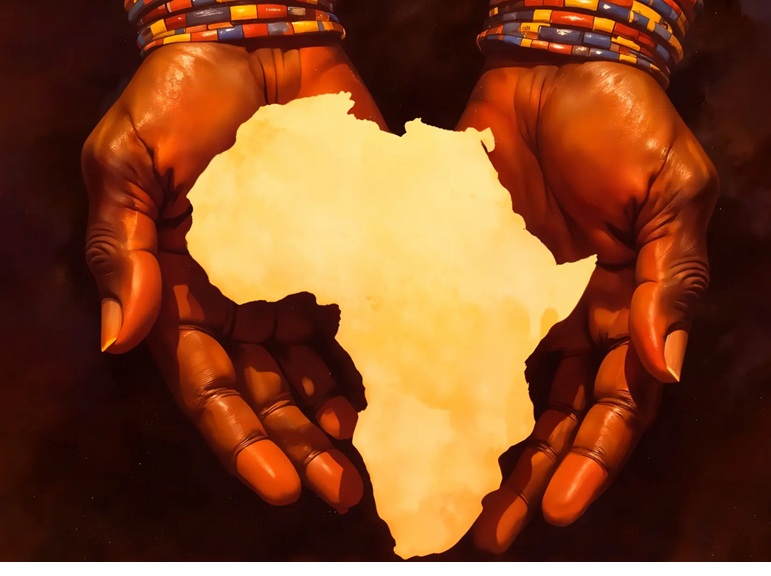
At some point in the journey, somewhere between exhaustion and quiet reflection, I found myself asking a simple question.
Why is it easier for animals to move across Africa than it is for Africans themselves?
By Kimberley Khasiala
Most of my friends had warned me. “Just take a flight to Lusaka. It’s faster, safer, less drama.” And they were right in many ways. But I chose the road anyway. Not because it was easy, but because I wanted to experience Africa as it truly is. Not from above the clouds, but from the ground where real stories live.
Together with the Humanist Team we left Arusha, Tanzania, on a Friday at 5:00 PM. By the time we arrived in Lusaka, Zambia, it was Sunday at 3:00 AM. Over 60 hours on the road. Much longer than the planned 40. A journey that stretched not just across countries, but across patience, resilience, and perspective.
The first leg took us to Mbeya on a Kapricon coach. Along the way, the bus filled beyond capacity. At one point, Maasai passengers boarded, dressed in their vibrant traditional attire. Their presence was striking yet familiar. Their way of dressing and speaking closely mirrored that of their Kenyan counterparts, a quiet reminder that culture in Africa often ignores the borders drawn on maps.
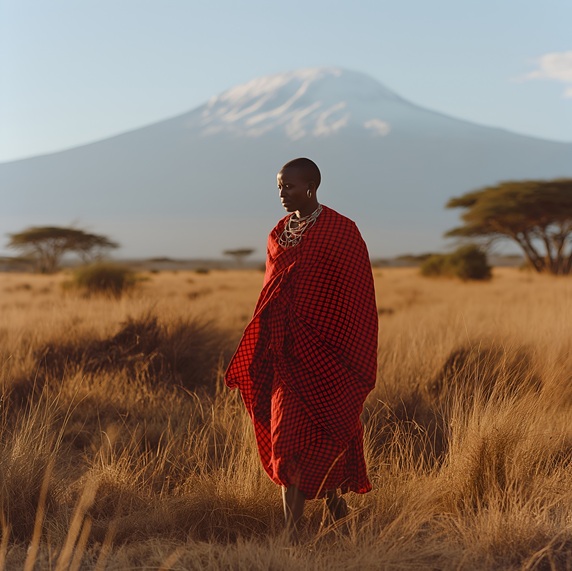
credit: waverider22 vía Pixabay
What stayed with me most was their resilience. With no seats left, they were given buckets to sit on for a journey that would last nearly 19 hours. No complaints. No resistance. Just quiet acceptance.
Later that night, during a stopover, I stepped out to buy water. As I passed, one of them called out warmly, “Karibu tule, dada.” Come, eat, sister. They shared their roasted goat meat with me. In that moment, I felt something deeper than hunger being satisfied. I felt a sense of belonging. Strangers, yet not strangers at all.
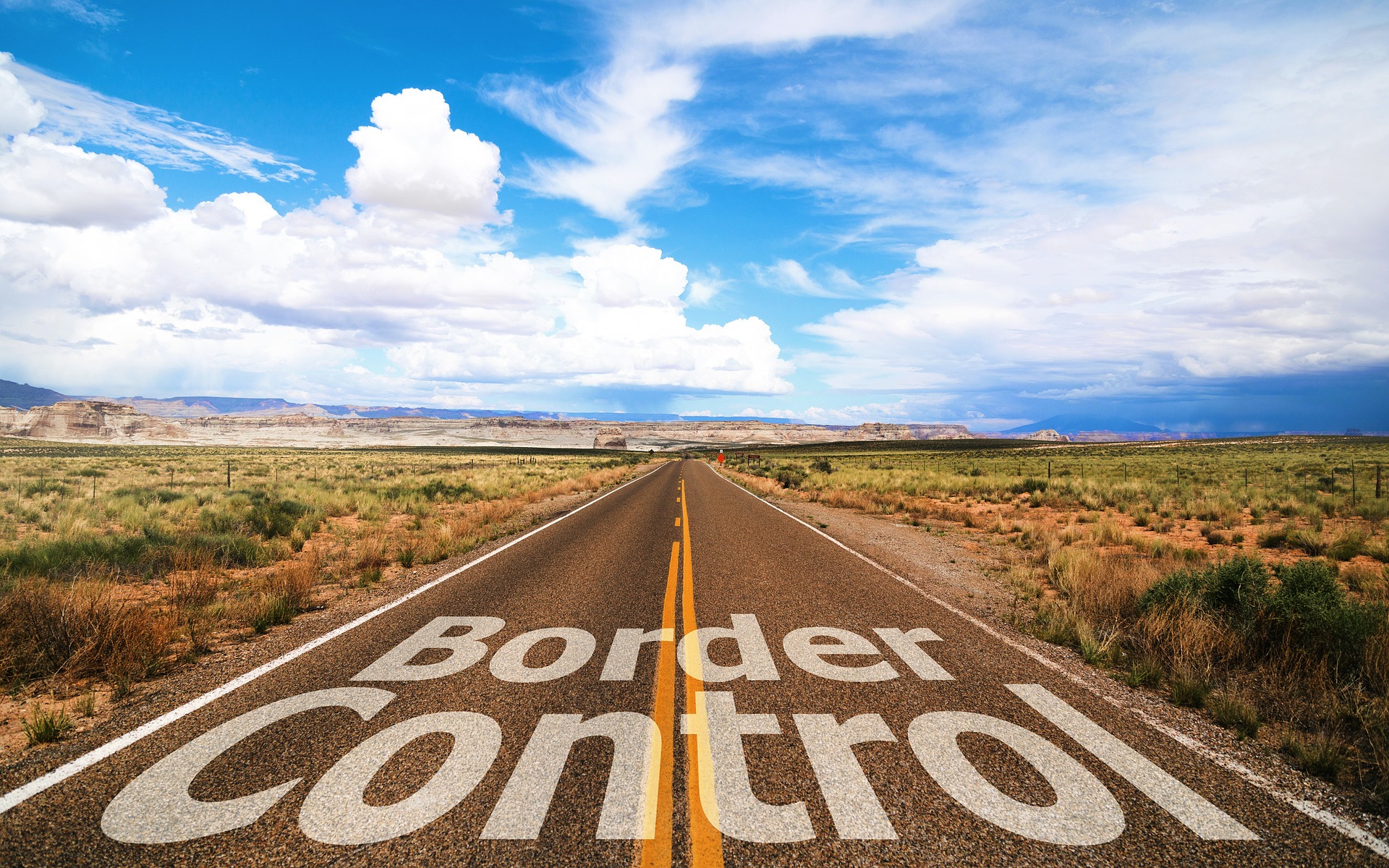
Then came the borders.
Credit: Gerd Altmann vía Pixabay
At Tunduma Nakonde, the reality of traveling within Africa revealed itself. Delays. Confusion. Misinformation. A deal that had seemed convenient in Mbeya slowly unraveled. The bus we paid for was not the bus we boarded. The departure time kept changing. Somewhere in between, we realized we had been overcharged.
Crossing itself was another experience. Questions came in waves. There was suspicion, delays, and unnecessary back and forth. At one point, we were even asked to confirm our visit through our host. Later, we were told that smoother crossings often come with an unofficial expectation of money slipped into passports. Whether true or not, it left us wondering why movement within our own continent should feel so complicated.
We eventually crossed on foot. It had rained, and the path was muddy and chaotic. We dragged our suitcases through the mess, carefully avoiding motorbikes rushing past. It felt symbolic in a way. Moving forward, but not without struggle.
On the Zambian side, the journey continued with new challenges. The bus we boarded was old and overcrowded with goods. Fish, charcoal, and various cargo filled the aisle, leaving a strong smell that stayed with us for hours. At one stop, we were charged double for food simply because we were foreigners. At another, we waited longer than expected without clear communication.
Still, we kept going.
When we finally arrived in Lusaka, exhaustion had taken over. With no internet access to request a taxi, we relied on a well-dressed driver who promised us a smooth ride. His car, however, told a different story. It looked older than our journey itself. The engine sounded like it was negotiating its last breath, and the boot was filled with oil containers as if the car needed constant reassurance to keep moving.
As we drove, he entertained us with stories, almost as if to distract us from the condition of the vehicle. At some point, he diverted into a neighborhood, claiming he needed to pick more oil. We exchanged glances but had little choice. Later, he demanded more money. When we refused, he stopped the car and told us he could not continue.
It was 2:00 AM.
We were left in the middle of the road with our suitcases. Tired, frustrated, but still standing. We began to walk, unsure of how far we had left to go. Thankfully, our host found us along the way and brought us to safety.
That was our welcome to Zambia.
But beyond the exhaustion and frustration, there was something deeper that stayed with me.
This journey was not just about travel. It was about understanding the reality many Africans face when moving across their own continent. The delays, the exploitation, the uncertainty. Systems that make movement harder than it should be.
And yet, in the middle of it all, there were moments of humanity. The Maasai sharing food. Conversations with strangers. Laughter in uncomfortable situations. Small reminders that even when systems fail, people often do not.
It made me think of the great migration in East Africa, where wildebeest move freely from the Serengeti to the Maasai Mara. No passports. No questioning. No barriers. Just movement guided by nature.
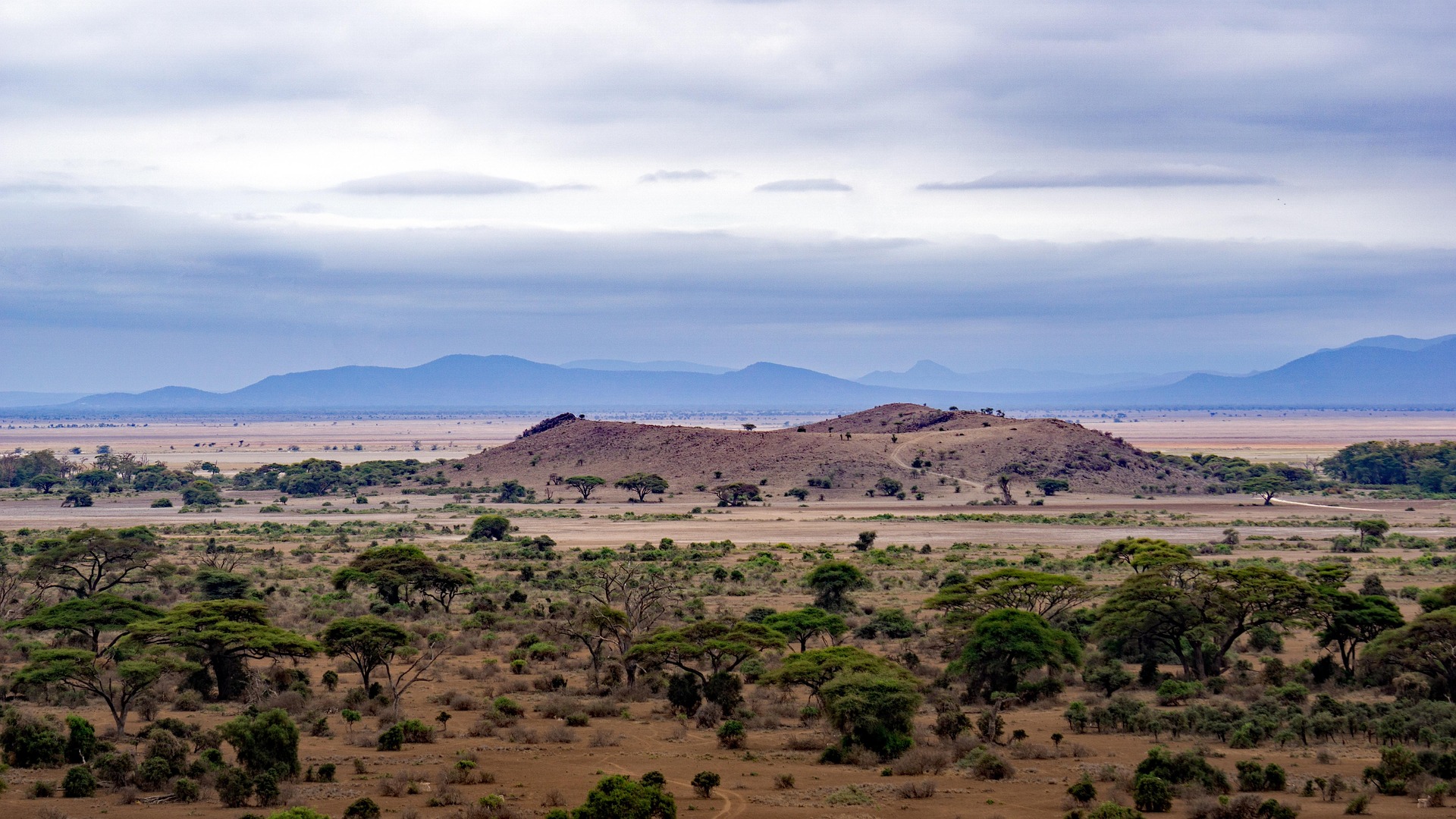
Credit: Jürgen Bierlein via Pixabay
So why is it so difficult for us?
A borderless Africa is not about the absence of rules. It is about the presence of fairness, efficiency, and dignity. It is about creating systems that allow Africans to move, connect, and grow without unnecessary hardship.
Because when movement is restricted, opportunity becomes limited. And when opportunity is limited, progress slows down.
This journey taught me that resilience lives in ordinary people. It showed me that kindness can still be found in the most unexpected places. And it reminded me that change is not just necessary, it is possible.
If you ever choose the road over the skies, be prepared. It will test you. But it will also teach you.
And perhaps, somewhere along the journey, you too will begin to wonder.
What if Africa was not divided by borders, but united by its people?

Kimberley Khasiala is a journalist, writer, and digital marketer with a strong background in advocacy and communications. She has experience in content creation, social media strategy, and digital campaigns that drive engagement and amplify impact. Her work focuses on African travel, culture, and social issues, using storytelling to inspire dialogue and advocate for a more connected and borderless Africa.



