

Guwahati: Polling begins in the Himalayan nation of Nepal to elect a new Parliament in Kathmandu amid tight security cover, where nearly 19 million Nepali electors are eligible to vote. 23,112 polling centres erected under 10,963 polling stations in all 77 districts of the South Asian nation were ready to start the exercise at 7 am (NPT), which is 15 minutes ahead of Indian standard time. The voting under a single phase will continue till 5 pm (local time) under the security cover of 341,113 security personnel, including 149,000 temporary election police personnel.
According to the Nepal Election Commission, 18,903,689 electorates, comprising over eight lakhs, newly registered voters will elect 275 members in the House of Representatives through a two-way system. Every voter is allowed to cast two votes, one for his/her preferred candidates and the other for parties. A total of 3,406 candidates, representing over 65 political parties and 1,143 independent contestants, remain in the fray for 165 seats under the first-past-the-post system, while another 3,135 candidates are vying for 110 seats through the proportional representation system.
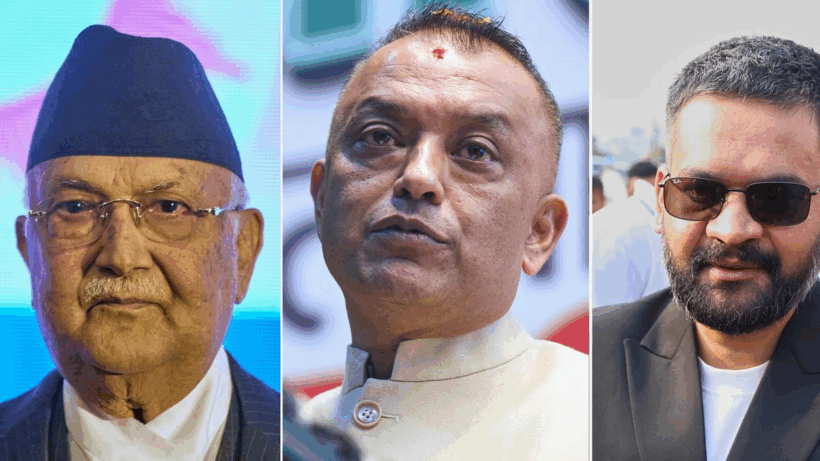
The front runners include Balendra Shah (popularly known Balen) of Rastriya Swatantra Party, KP Sharma Oli of Communist Party of Nepal (Unified Marxist–Leninist), Gagan Thapa of Nepali Congress, Pushpa Kamal Dahal alias Prachanda of Nepali Communist Party, etc, where both Shah and Oli are contesting from the same constituency (Jhapa-5 in eastern Nepal), which is adjacent to Siliguri corridor (also known as Chicken’s neck). Once the election results come out and the winner takes power, the term of the interim government led by retired Nepal Supreme Court chief justice Sushila Karki will end.
She accepted the responsibility last year in September when the deadly anti-corruption agitation by the Nepali youths compelled the Oli-led government alliance of CPN-UML and Nepali Congress. Meanwhile, in a televised address to the nation on Monday ahead of Holi and national elections, interim premier Karki appealed to the citizens to exercise the franchise, maintaining peace and harmony. Ms. Karki asserted that the government and election authorities were committed to conducting the polling in a fair, free, and fearless manner, urging the citizens not to fall prey to misinformation and disinformation.
At least one mainstream political outfit named Rastriya Prajatantra Party has raised a voice for bringing back the constitutional monarchy and restoring Nepal’s political status of a Sanatani Hindu Rashtra. The right-wing party, which has fielded a number of candidates across the country, used to organize public rallies supporting the last Nepal king, Gyanendra Bir Bikram Shah Dev, who now leads a private life in Kathmandu after being dethroned from the palace nearly two decades ago. Now, a section of hardcore Hindu nationalists demands the restoration of the monarchy even as a ceremonial head of Nepal (in place of the President). The pro-monarchists often hit the streets waving national flags, placards, and chanting slogans, whenever the septuagenarian royal scion visits rural areas.



