

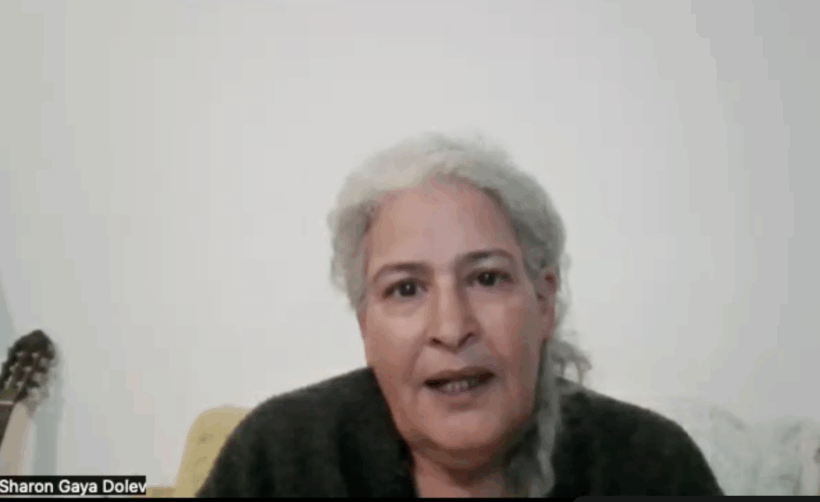
Following his first interview with Emad Kiyaei, on the Iran–U.S. negotiations in Geneva, David continues the conversation with Sharon Dolev, co-director of the Middle East Treaty Organization, to examine the situation from inside Israel and assess the growing risk of a wider regional war.
In this second interview, Sharon offers a sobering account of daily life under the shadow of escalation, as tensions between Israel and Iran intensify and U.S. military forces reposition across the Middle East. She traces the long history of efforts toward a nuclear-weapon-free zone in the region—an initiative dating back to the 1970s that culminated in a 2018 UN conference now boycotted by Israel and the United States—while questioning the credibility of current narratives surrounding Iran’s nuclear program.
The conversation also explores the political calculations driving the push toward confrontation. Sharon argues that Israeli Prime Minister Benjamin Netanyahu’s fixation on Iran has less to do with security than with political survival, intersecting with his legal troubles and his strategic relationship with Donald Trump. Together, David and Sharon examine how war rhetoric can serve domestic agendas on both sides, while diverting attention from Gaza, international law, and the urgent need for diplomacy.
Beyond immediate tensions, the interview broadens to include the opaque reality of nuclear weapons in the Middle East—Israel’s undeclared arsenal, the verified status of Iran’s program, and the often-ignored possibility of new nuclear actors emerging in the region. Sharon stresses the dangers of misinformation, nuclear ambiguity, and negotiations conducted without goodwill, while calling for greater international solidarity with Israeli and regional peace activists working under increasingly hostile conditions.
Taken together, the two interviews form a single warning: the region stands at a critical crossroads. Without informed public pressure, credible diplomacy, and international engagement—including potential roles for global actors such as China—the path ahead risks leading not toward security, but toward another devastating and avoidable war.



