

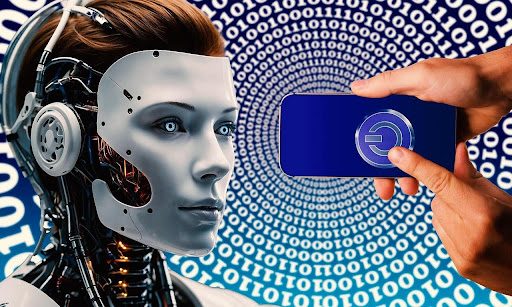
The rapid rise of artificial intelligence, robotics, and digital technologies has been celebrated as the dawn of a new era of human progress. From automated industries to smart governance, from predictive algorithms to global digital connectivity, technology promises efficiency, convenience, and unprecedented growth. Yet beneath this shining surface lies a troubling paradox: while machines grow more intelligent, humanity itself appears to be in decline.
The concentration of wealth in the hands of a small global elite is accelerating at an alarming pace. Advanced technologies—particularly AI-driven systems—are disproportionately empowering corporations, financial conglomerates, and digital monopolies. Automation reduces labor dependence, algorithms predict consumer behavior, and data mining transforms human emotions into profitable commodities. In this new digital economy, information has become capital, and those who control information increasingly control society.
The curve of wealth accumulation is rising steeply for a few, while economic insecurity deepens for the many. States, once expected to regulate markets and safeguard citizens, often appear either incapable or unwilling to challenge powerful corporate interests. Regulatory frameworks struggle to keep pace with technological change, and public institutions frequently align with private capital rather than public welfare. The social contract, in many regions, is eroding.
More concerning than economic inequality is the subtle transformation of human consciousness. Control is no longer exercised primarily through physical coercion; it operates through mental conditioning. Social media platforms, algorithmic news feeds, and targeted digital content shape perceptions, influence political preferences, and narrow intellectual horizons. Citizens increasingly consume information curated by invisible systems designed not to inform, but to engage, provoke, and monetize attention.
In this environment, critical thinking is steadily weakening. Digital applications and rapid-fire news cycles encourage instant reactions rather than reflective analysis. The culture of scrolling replaces the culture of reading; viral trends overshadow rigorous debate. Many citizens accept the narratives presented to them—whether true or distorted—without questioning their sources or implications. A passive spectator society is emerging, where participation is reduced to likes, shares, and hashtags.
Simultaneously, fanaticism is resurging in various forms. Extremist ideologies—religious, ethnic, and political—find fertile ground in algorithm-driven echo chambers. Digital platforms amplify outrage and polarizing content because conflict generates engagement. As a result, nuanced voices are often drowned out by sensationalism. Humanists continue to advocate dialogue, tolerance, and rational discourse, yet their voices struggle to compete in a marketplace driven by speed and spectacle.
Ironically, authoritarian and fascist-leaning states increasingly project themselves as models of development and efficiency. By combining technological surveillance, centralized control, and strategic propaganda, they present an image of order and rapid progress. Meanwhile, democratic states—burdened by internal divisions, slow decision-making processes, and information disorder—appear chaotic and ineffective. The global narrative is shifting in ways that challenge long-held assumptions about freedom and governance.
Revolutions, historically driven by clear ideological visions, now seem directionless. Digital mobilization can generate instant movements, but many lack a coherent philosophy or sustained organization. Spontaneity replaces strategy. Influencers, TikTokers, and YouTubers shape public opinion, yet their primary objective is often visibility and monetization rather than education or intellectual development. Information circulates rapidly, but wisdom remains scarce.
Culture and ideology, once anchored in collective memory and intellectual traditions, now face fragmentation. Consumerism replaces cultural depth; entertainment overshadows enlightenment. The digital sphere commodifies identity, belief, and even dissent. In such a landscape, the future of humanity appears uncertain—if not bleak.
Yet the crisis is not technological alone; it is moral and intellectual. Artificial intelligence is not inherently destructive. Robotics is not inherently oppressive. The true danger lies in the absence of ethical frameworks, democratic accountability, and critical consciousness. Technology amplifies existing power structures; it does not create them in isolation.
Humanity stands at a crossroads. We can either remain passive spectators, watching the consolidation of power and the erosion of independent thought, or we can reclaim our agency through education, critical inquiry, and ethical governance. The future will not be determined by machines alone, but by the values we embed within them and the courage we demonstrate in defending human dignity.
The question is no longer whether technology will shape the future. It is whether humanity will shape technology—or surrender to it.



