

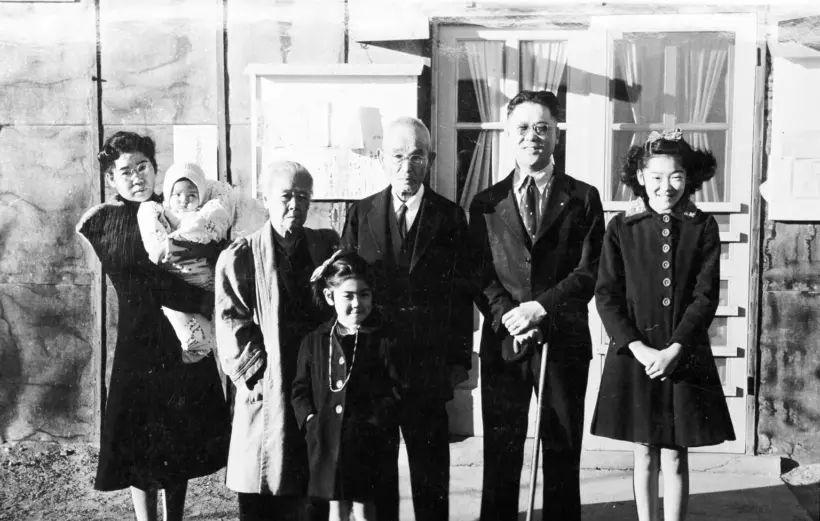
Mike Ishii, director of Tsuru for Solidarity, pen an article published in The Seattle Times — “84 years after Executive Order 9066, we are repeating history”— with a reminder that history does not disappear simply because time has passed. Eighty-four years after the U.S. government forcibly removed and incarcerated Japanese Americans during World War II, Ishii argues that the conditions that made that injustice possible are re-emerging. What once was justified as “national security” is again being invoked to normalize mass detention, racialized suspicion, and the erosion of basic rights, particularly against immigrants and refugees.
Drawing from the lived memory of Japanese American incarceration, Ishii connects the past to the present through the work of Tsuru for Solidarity, a grassroots movement led by survivors and descendants of the camps. He describes how elders who once lived behind barbed wire now stand in solidarity with migrants held in modern detention centers, recognizing familiar patterns of fear, dehumanization, and silence. The language may have changed, and the targets may be different, but the logic remains the same: when a society allows whole communities to be treated as threats rather than human beings, injustice becomes policy.
The article ultimately serves as both a warning and a call to action. Ishii insists that remembrance without responsibility is empty, and that honoring the victims of Executive Order 9066 requires more than memorials—it demands resistance to its modern echoes. By listening to those who endured incarceration and heeding their warnings today, he argues, we still have a chance to break the cycle. History, he reminds us, is not repeating itself by accident; it repeats when people choose comfort over conscience and fail to act when it matters most.



