

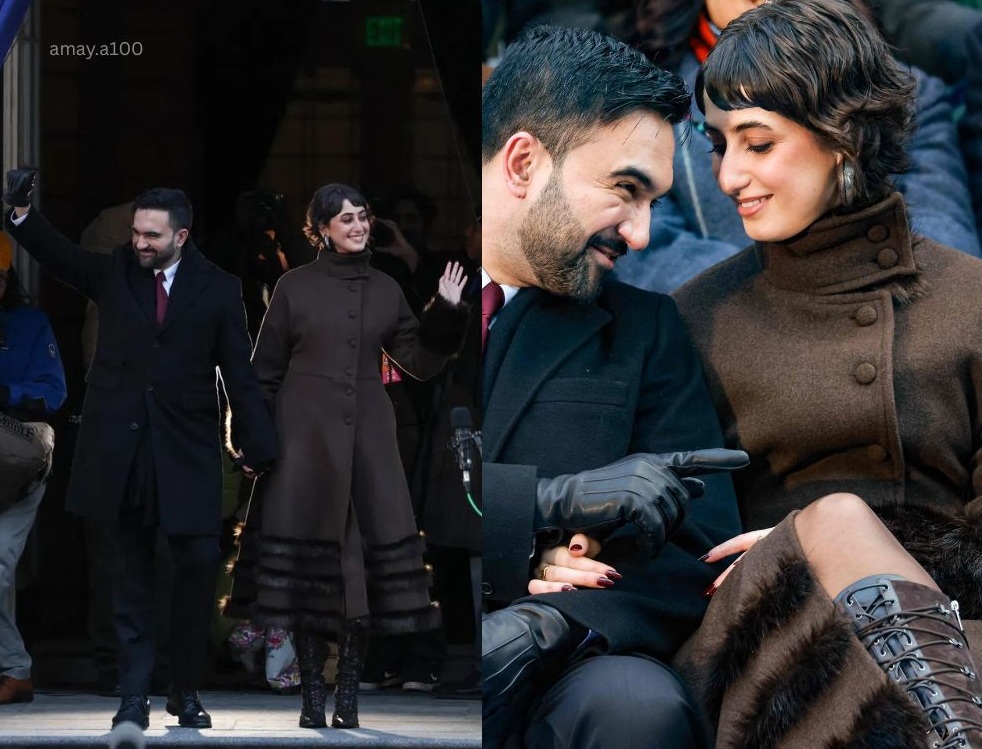
New year, new mayor: 2026 had begun just a few minutes earlier when Zohran Mamdani was sworn in as mayor of New York in the presence of family members, some colleagues, and the state attorney general, Letitia James, who presided over the ceremony. It was a moment of great symbolic significance, starting with the location: a historic, now-disused subway station located beneath City Hall, described by Mamdani as “a monument to an era of civic ambition that we must recover,” a clear reference to his program, of which free and efficient public transportation is an important part. Then there was the oath taken on two copies of the Koran, one belonging to his family and the other from the collection of Arturo Schomburg, a famous African-American writer and historian—an absolute first—and the numerous records that distinguish Mamdani: the first Muslim mayor, the youngest in decades, the first with parents of African and Asian descent and therefore an immigrant.
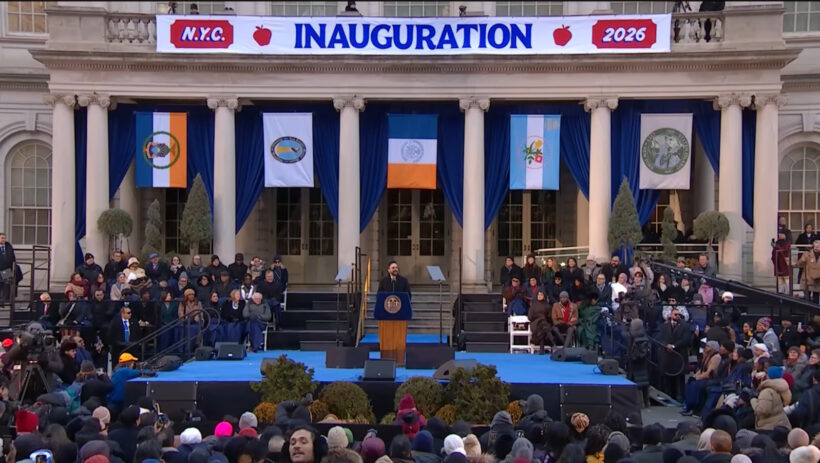
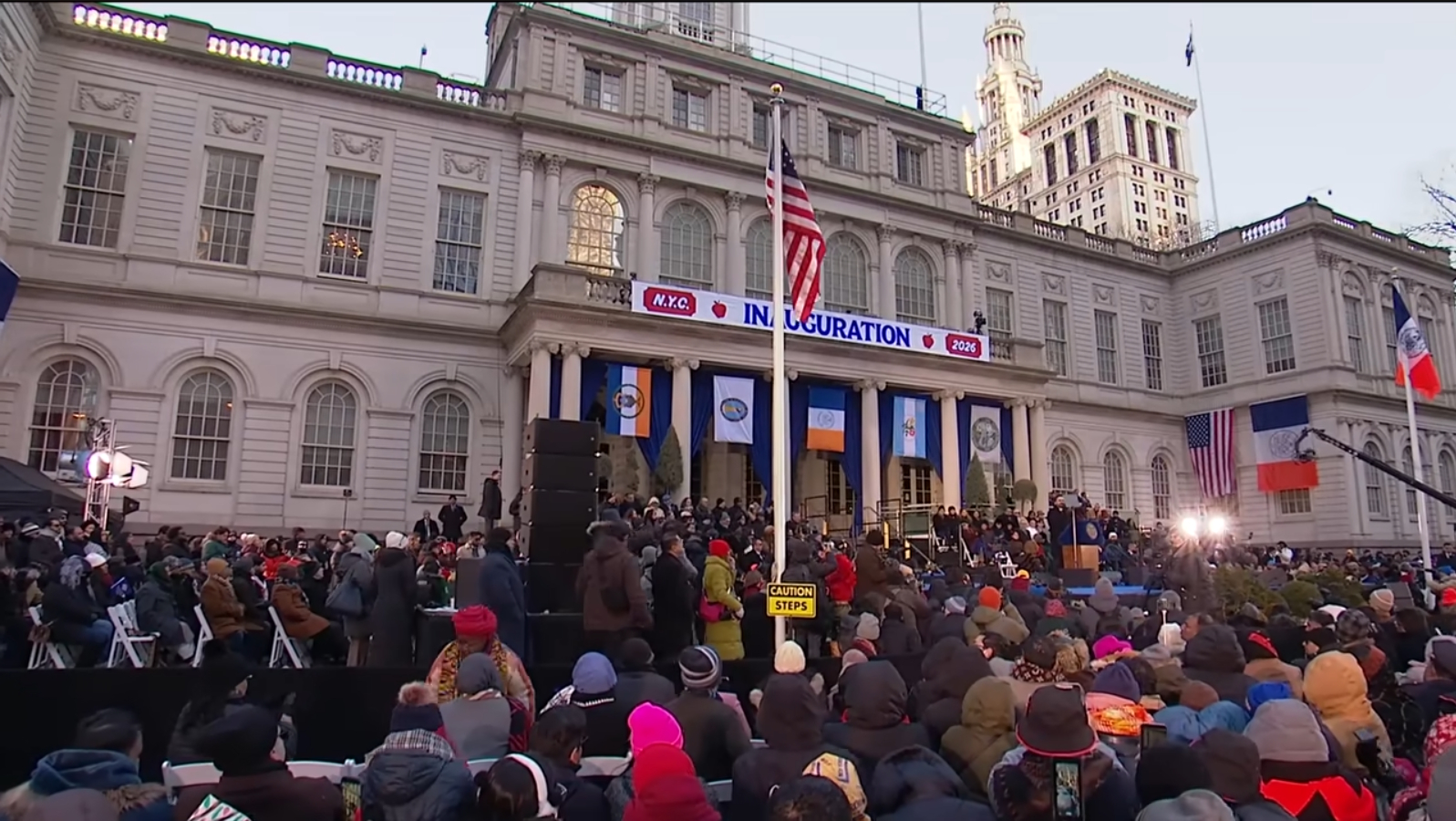
This first ceremony was followed by another, public one in front of thousands of people who had gathered despite the freezing cold, this time in front of City Hall. Imam Khalid Latif, executive director of the Islamic Center of New York and a personal friend of Mamdani, led a moment of prayer together with representatives of other faiths, including a rabbi, and emphasized how New York has shown the world that diversity is an asset and that foreigners can become neighbors.
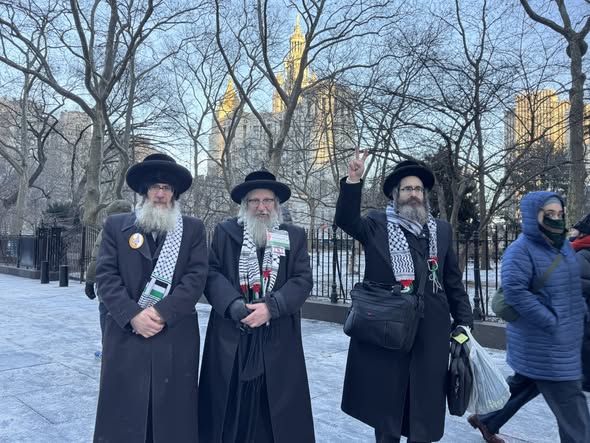
https://www.facebook.com/netureikarta2021
https://www.facebook.com/TheOther98
After other speeches and various musical performances, including the historic union anthem “Bread and Roses” and “Somewhere Over the Rainbow” from the film “The Wizard of Oz,” performed by a choir of children of different ethnicities and directed by Jewish actor and singer Mandy Patinkin, Alexandria Ocasio Cortez, member of the House of Representatives, thrilled the audience by chanting: “New York, we have chosen courage over fear!”
Senator Bernie Sanders thanked the people of New York and urged them to support Zohran Mamdani now that he must govern at a time full of hatred, violence, injustice, and inequality, while the audience chanted the slogan “Tax the rich” . Then followed the mayor’s new oath of office in moving silence.
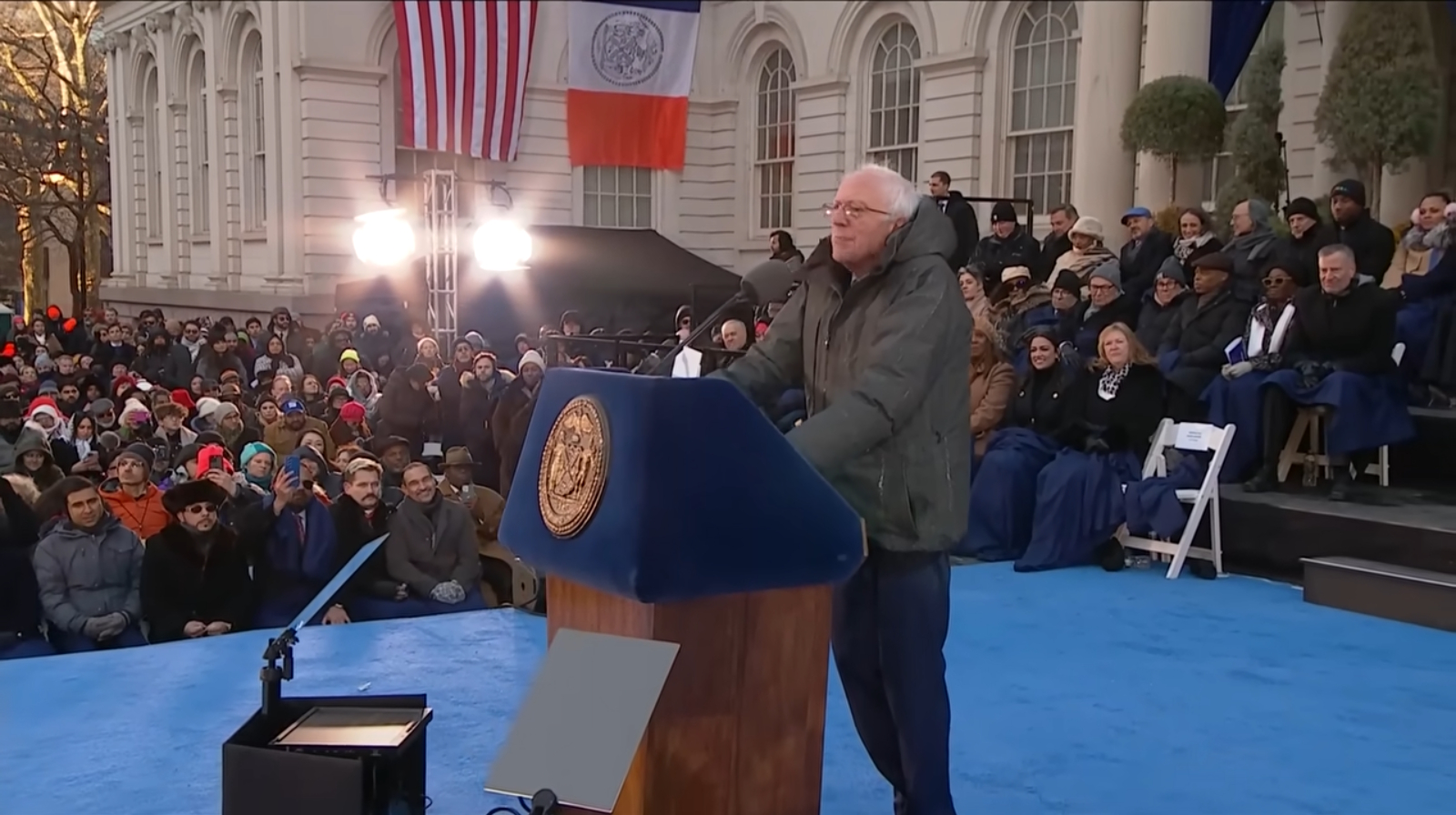
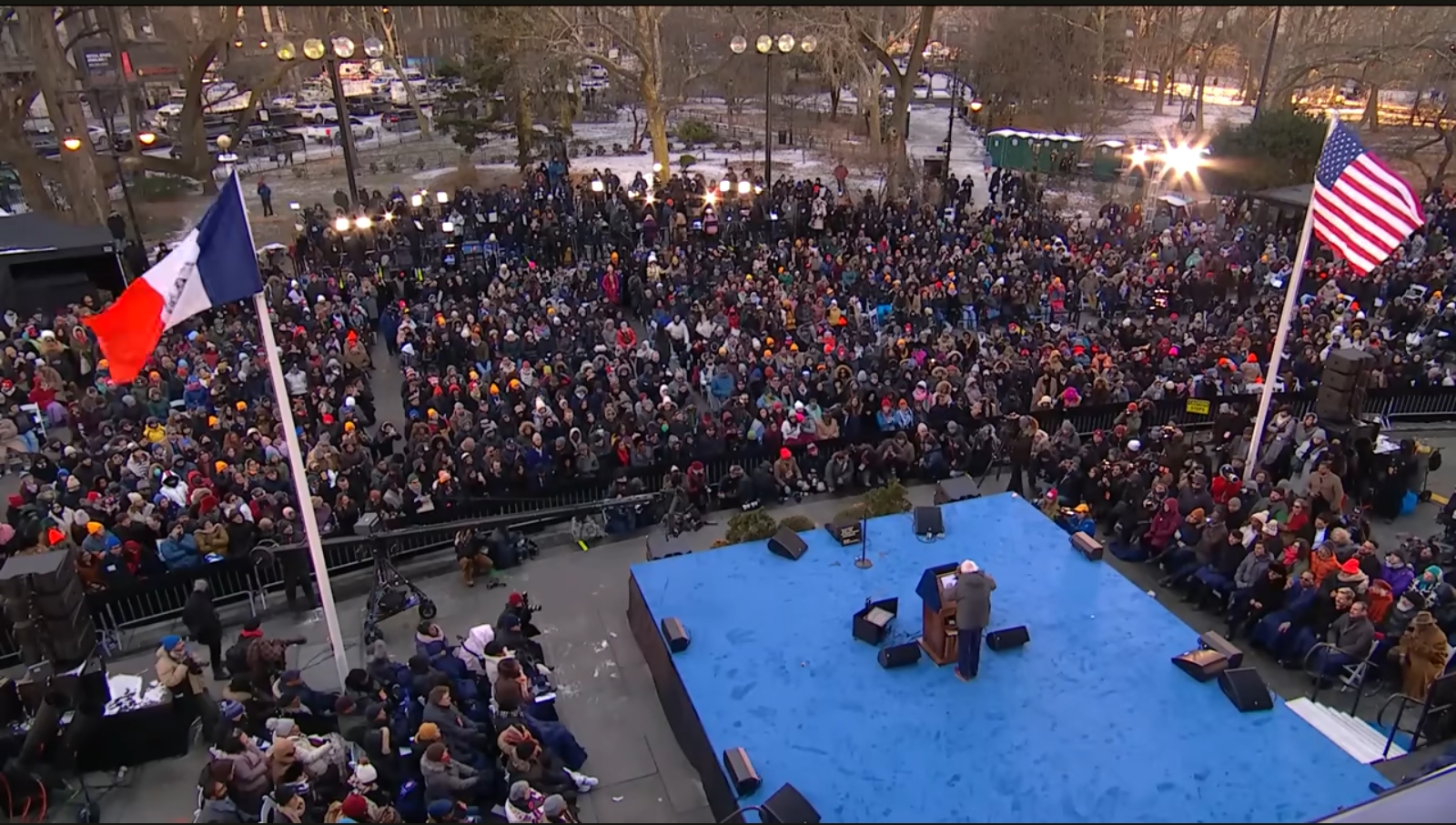
Zohran Mamdani began his speech by announcing the dawn of a new era and declaring himself “moved by the privilege of taking this sacred oath, humbled by the faith that you have placed in me, and honored to serve as your 112th Mayor of New York City. But I do not stand alone,” he pointed out. “ I stand alongside you, the tens of thousands gathered here in Lower Manhattan, warmed against the January chill by the resurgent flame of hope.” He then made a promise: ”if you are a New Yorker, I am your Mayor. Regardless of whether we agree, I will protect you, celebrate with you, mourn alongside you, and never, not for a second, hide from you.”
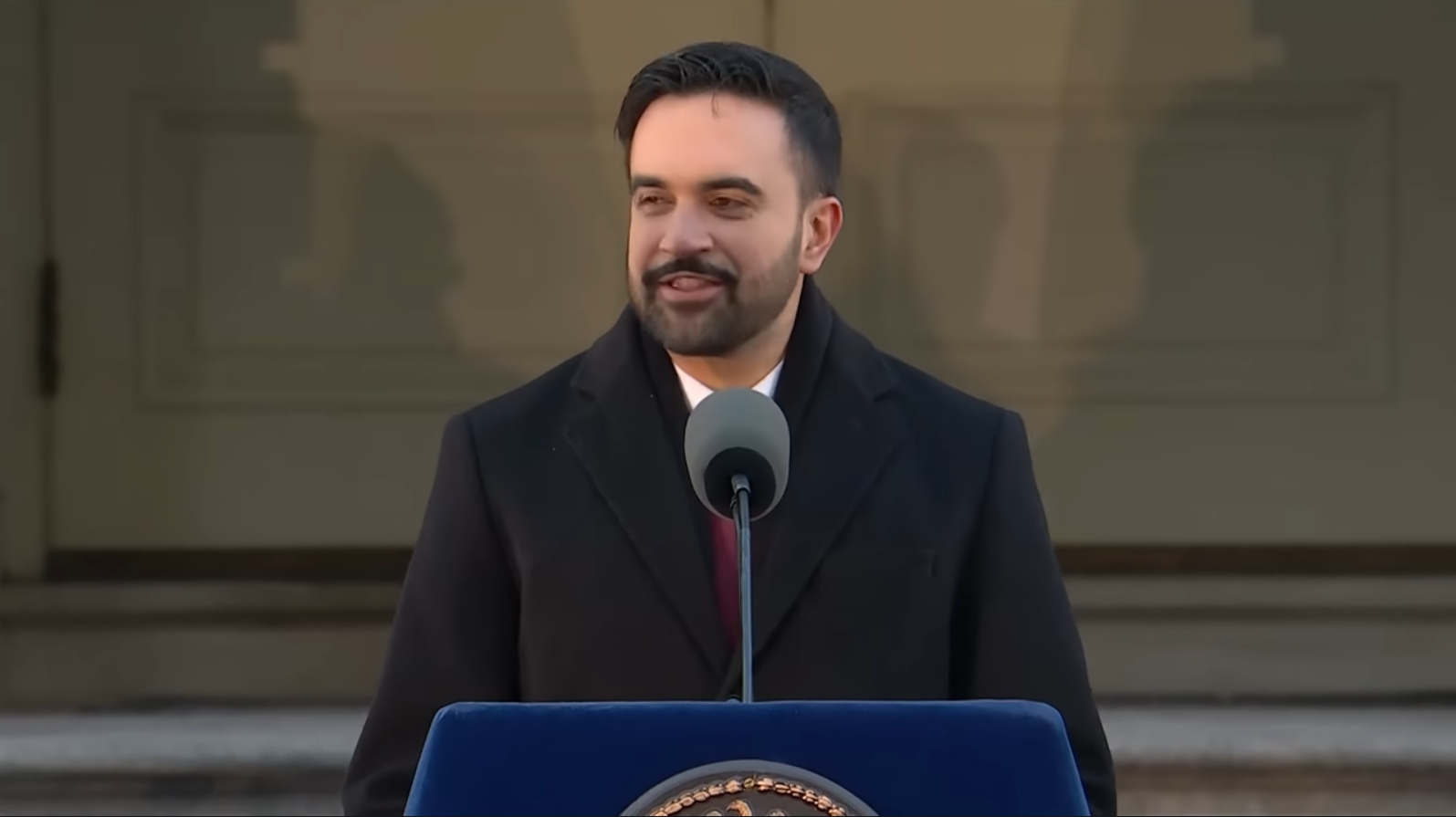
After thanking union leaders, activists, politicians, family members, and above all the people of New York, Mamdani said: “A moment like this comes rarely. Seldom do we hold such an opportunity to transform and reinvent….” Although, he admitted, many times in the past, promises have not been kept and the hoped-for change has not happened.
And here his tone became passionately defiant: “In writing this address, I have been told that this is the occasion to reset expectations, that I should use this opportunity to encourage the people of New York to ask for little and expect even less. I will do no such thing. The only expectation I seek to reset is that of small expectations.
Beginning today, we will govern expansively and audaciously. We may not always succeed. But never will we be accused of lacking the courage to try.
To those who insist that the era of big government is over, hear me when I say this—no longer will City Hall hesitate to use its power to improve New Yorkers’ lives.”
Then came a fundamental question: “Who does New York belong to?
For much of our history, the response from City Hall has been simple: it belongs only to the wealthy and well-connected, those who never strain to capture the attention of those in power.”
Now, however, Mamdani promised, things will change, with a government that “ looks and lives like the people it represents, never flinches in the fight against corporate greed, and refuses to cower before challenges that others have deemed too complicated.”
So now the answer will be different: “New York belongs to all who live in it.” It will no longer be ruled by the 1%, with the rich against the poor, it will no longer be a city made up of many separate communities. The coldness of individualism will be replaced by the warmth of solidarity.
“Because no matter what you eat, what language you speak, how you pray, or where you come from—the words that most define us are the two we all share: New Yorkers … 8 and a half million New Yorkers will speak this new era into existence. It will be loud. It will be different. It will feel like the New York we love…. we will overcome the isolation that too many feel, and connect the people of this city to one another.”
The speech then touched on the proposals that led to his election victory in November, all centered on the issue of accessibility, which has been denied to the majority of the population for too long. “The cost of childcare will no longer discourage young adults from starting a family—because we will deliver universal childcare for the many by taxing the wealthiest few.
Those in rent-stabilized homes will no longer dread the latest rent hike—because we will freeze the rent.
Getting on a bus without worrying about a fare hike or whether you’ll be late to your destination will no longer be deemed a small miracle—because we will make buses fast and free.
These policies are not simply about the costs we make free, but the lives we fill with freedom. For too long in our city, freedom has belonged only to those who can afford to buy it. Our City Hall will change that.”
From proposals to commitments, listed without mincing words: “We will answer to all New Yorkers, not to any billionaire or oligarch who thinks they can buy our democracy. “
“We will govern without shame and insecurity, making no apology for what we believe. I was elected as a Democratic socialist and I will govern as a Democratic socialist. I will not abandon my principles for fear of being deemed radical. As the great Senator from Vermont once said: ‘What’s radical is a system which gives so much to so few and denies so many people the basic necessities of life.’ ”
However, the new administration cannot do all this alone. Mamdani began with this sincere admission and invited everyone to face the difficulties that will arise together, aware that this new adventure does not only concern New York, but can set an example for the world. “What we achieve together will reach across the five boroughs and it will resonate far beyond. There are many who will be watching. They want to know if the left can govern. .. They want to know if it is right to hope again.”
And indeed, the conclusion of the speech was a hymn to hope and commitment: “The work continues, the work endures, the work, my friends, has only just begun.
Thank you.”
From words to deeds: in one of his first official acts after being sworn in as mayor of New York, Zohran Mamdani formally revoked all decrees issued by the previous administration since September 26, 2024, including the ban on the BDS movement and the adoption of the controversial International Holocaust Remembrance Alliance (IHRA) definition, which equates criticism of Israel with anti-Semitism.
Translation from Italian by Evelyn Tischer
Translator’s note: The citations from Zohran Mamdani’s talk are taken from
https://www.nyc.gov/mayors-office/news/2026/01/mayor-zohran-mamdani-inaugural-address



