
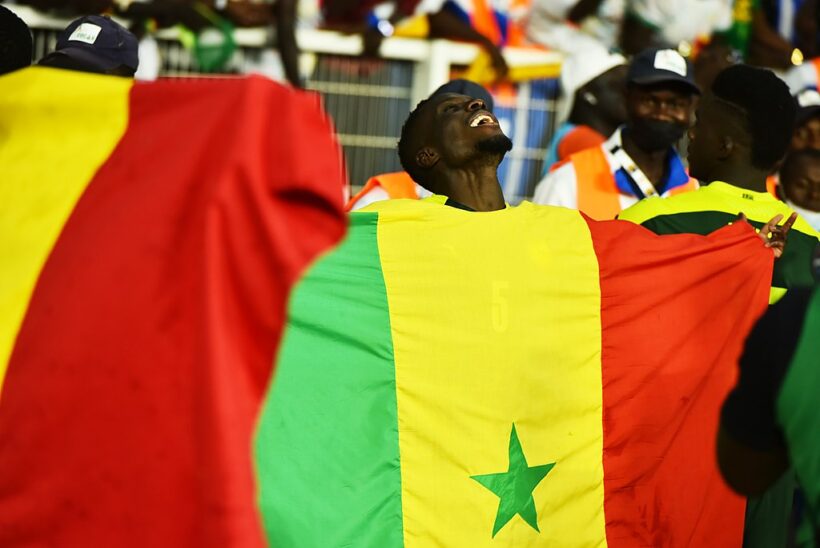
The final of the Africa Cup of Nations, held this Sunday in the Moroccan capital, Rabat, pitted the home side against Senegal, popularly known as the Lions of Teranga.
Both teams reached the decisive stage of the continent’s premier football tournament aiming to secure their second trophy, an objective Morocco, in particular, as the host nation, aspired to achieve 50 years after winning its first title.
The match was not without controversy and extreme tension. Seven minutes from the end of regular time, the referee awarded a penalty against Senegal, sparking furious protests and leading the visiting team to briefly walk off the pitch.
However, upon the game’s resumption, Brahim Díaz, the Real Madrid player, missed the spot-kick, softly delivering the ball into the goalkeeper’s hands.
The match therefore went into extra time, deadlocked at zero.
Teranga
“Teranga” is not just the nickname for Senegal’s national football team. In Wolof, it signifies more than simple “hospitality” – a definition heavily promoted by tourist guides – and is a concept deeply rooted in the life philosophy of the Senegalese people.
Based on the idea of generosity, it is present in the daily life of its inhabitants. To follow teranga is to make others feel comfortable, regardless of their nationality, religion, or social class. Senegalese historian Ibra Sène explains that teranga consists, in particular, of advising and treating other people as if they were members of one’s own family.
In terms of food, teranga is reflected in Senegalese families preparing an extra dish in case a visitor arrives. Interfaith coexistence is another aspect of teranga: for example, Christians prepare ngalax (millet, peanut butter, baobab powder) for Muslims as Easter approaches. Similarly, Muslims share their Eid meals. Senegal’s different ethnic groups coexist, and according to Ibra Sène, the country knows no conflicts related to this diversity, thanks to teranga.
From a historical interpretation, Teranga has been important in fostering coexistence among diverse ethnic groups and contributing to the unity necessary to achieve independence from the colonial regime.
Senegal’s first president, the internationally renowned poet of Negritude, Léopold Sédar Senghor, proposed that “Teranga” be the instrument and means to unite the entire country, becoming the foundation of its national identity.
Although the country has not been free of internal conflicts, coup attempts, and secessionist movements since then, Senegal has over time managed to consolidate relative peace and increase its sovereignty. In July 2025, France handed over its last bases on Senegalese territory, ending 65 years of French military presence in the country.
The Match Result
Readers will be wondering what the final outcome of the match was. Shortly after extra time began, in the 93rd minute, Senegal’s Pepe Gueye shot from outside the box to finally open the scoring. So decisive was the goal that, despite Morocco’s fierce attempts to equalize, it settled the match and crowned Senegal as the 2026 Cup champions.
Perhaps the spirit of Teranga – of solidarity, of care for others, of humanism – will also emerge triumphant in these turbulent times, so full of attacks on the well-being of Humanity.