

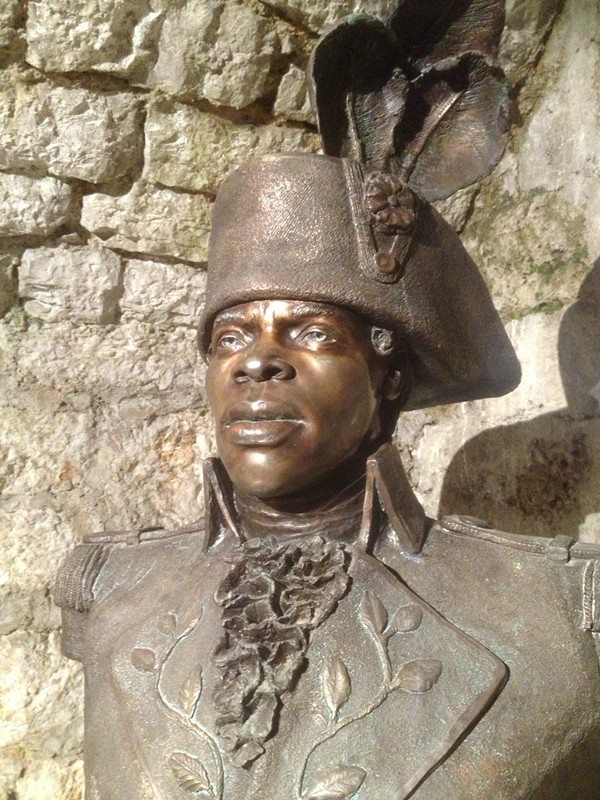
‘By cutting me down, Saint-Domingue has only broken the trunk of the tree of black freedom; it will grow back from its roots, for they are many and deep,’ declared Toussaint Louverture on 12 June 1802 in Saint-Domingue, now Haiti.
Revolutionary leader Toussaint Louverture led the Haitian uprising for the abolition of slavery and emancipation from colonial rule, during which groups of freed slaves opposed the colonial government on the island. The revolution began in August 1791 and ended in 1804 with the independence of the former colony.

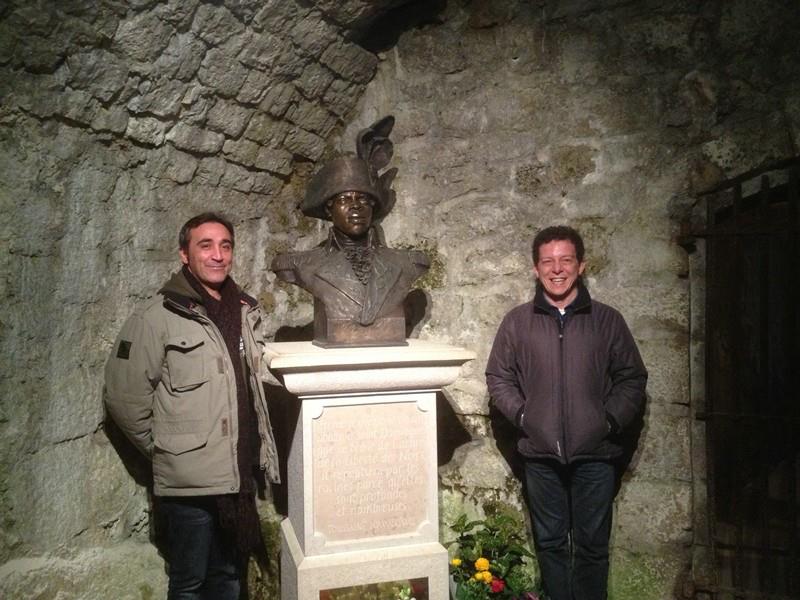
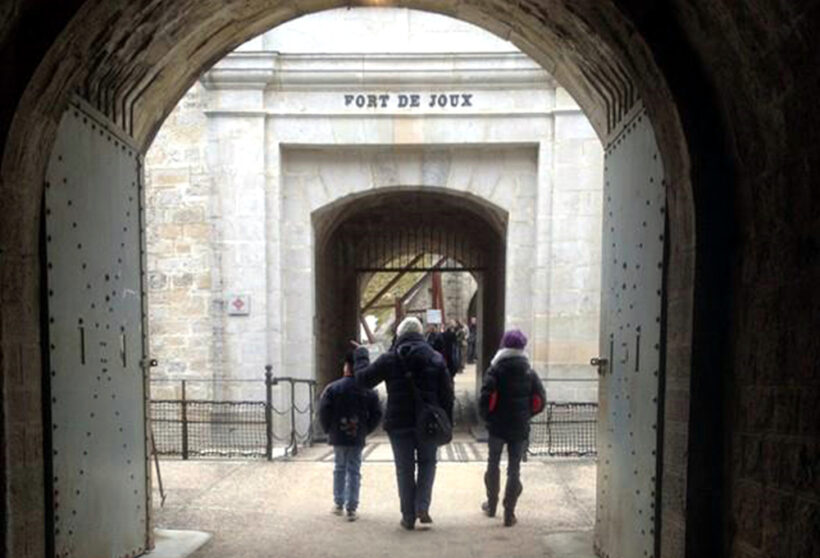

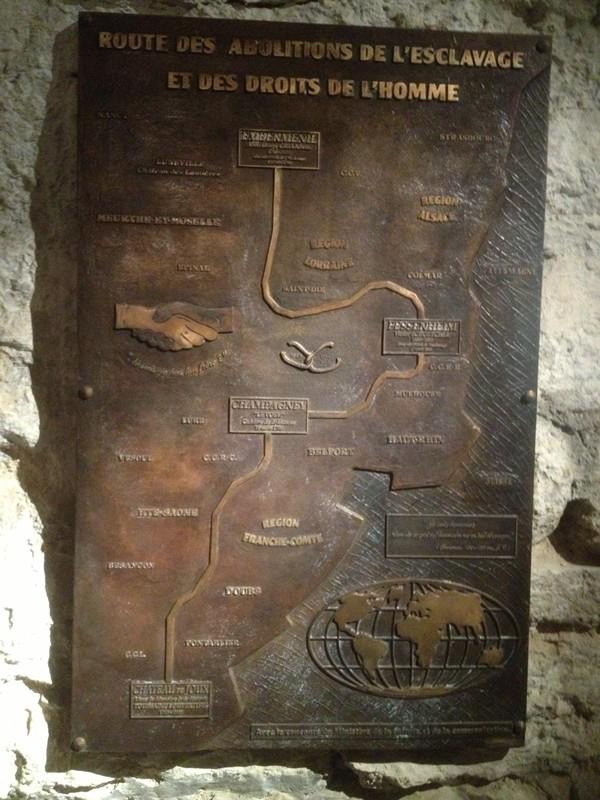
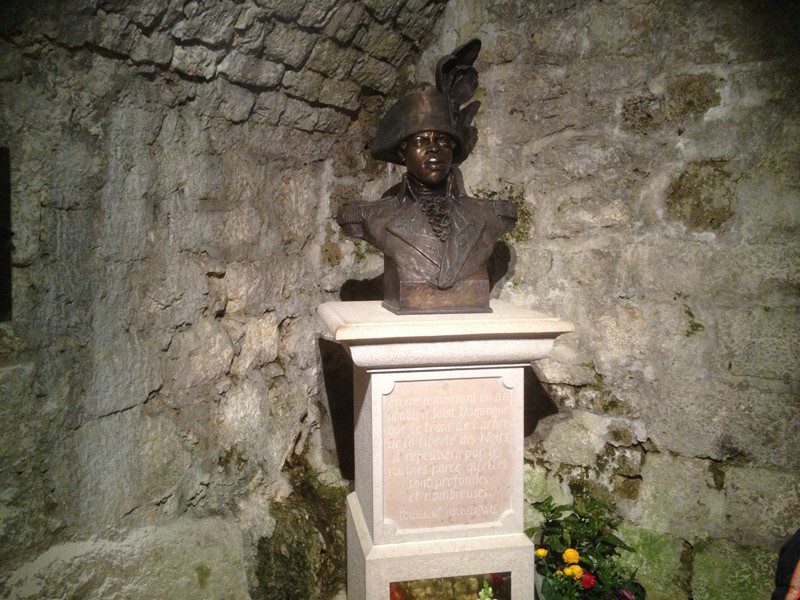
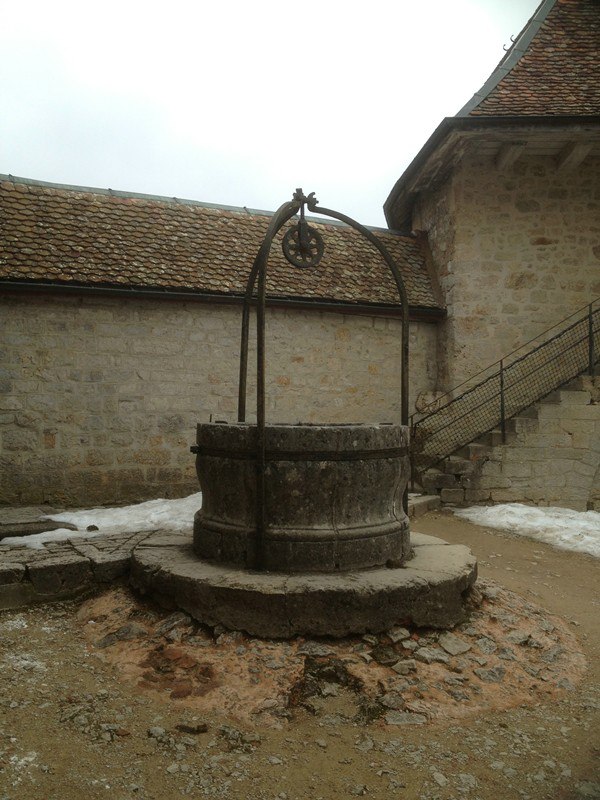

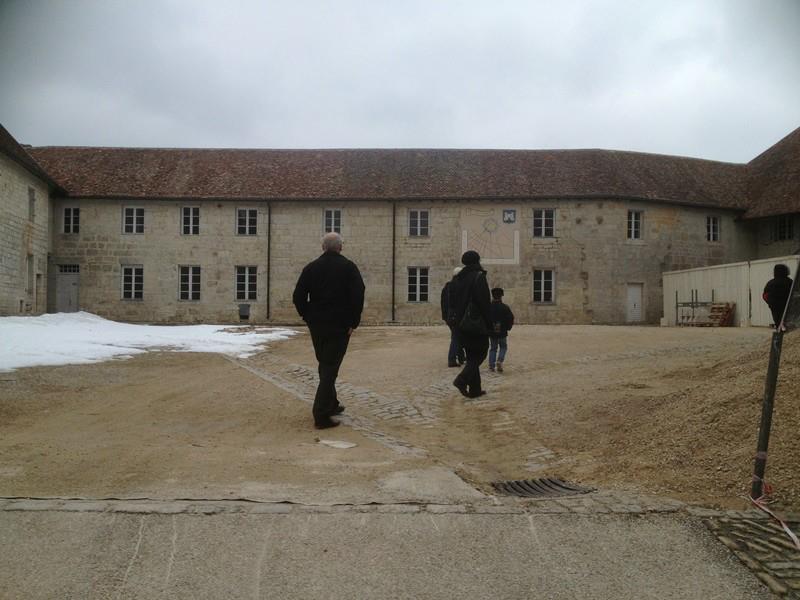
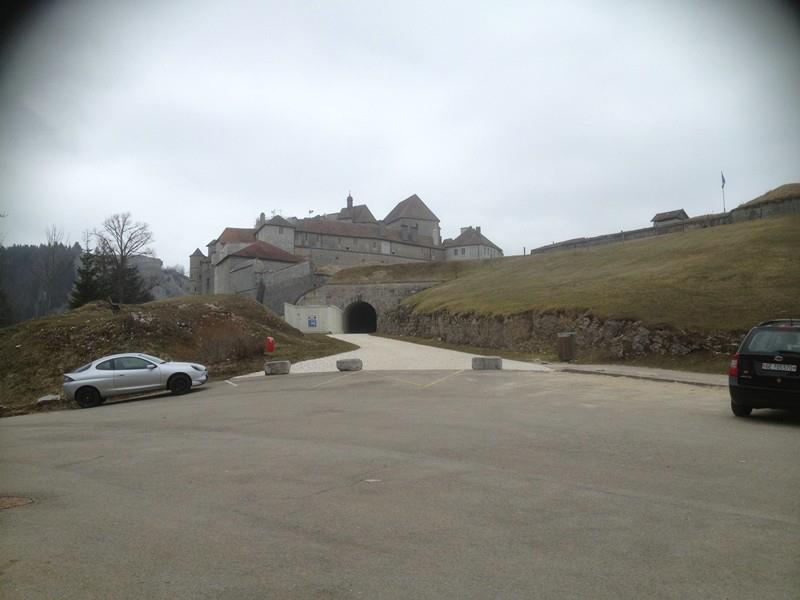
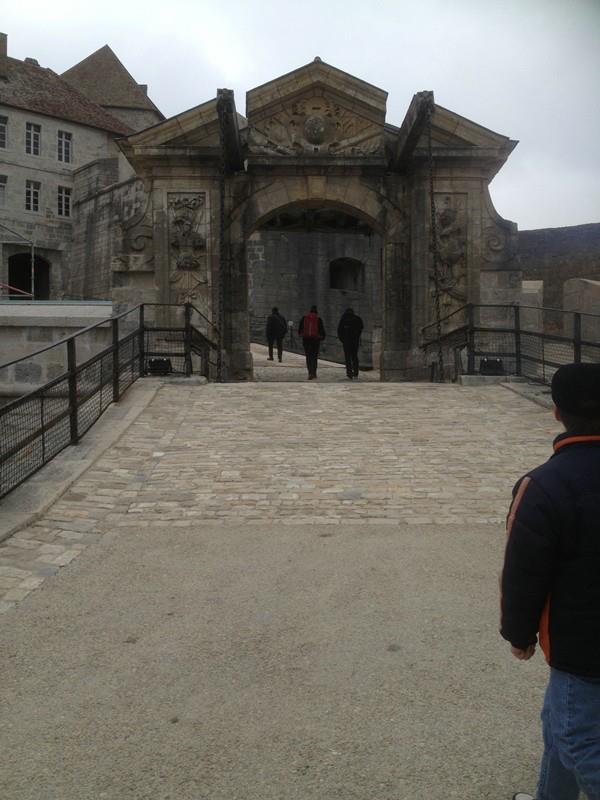
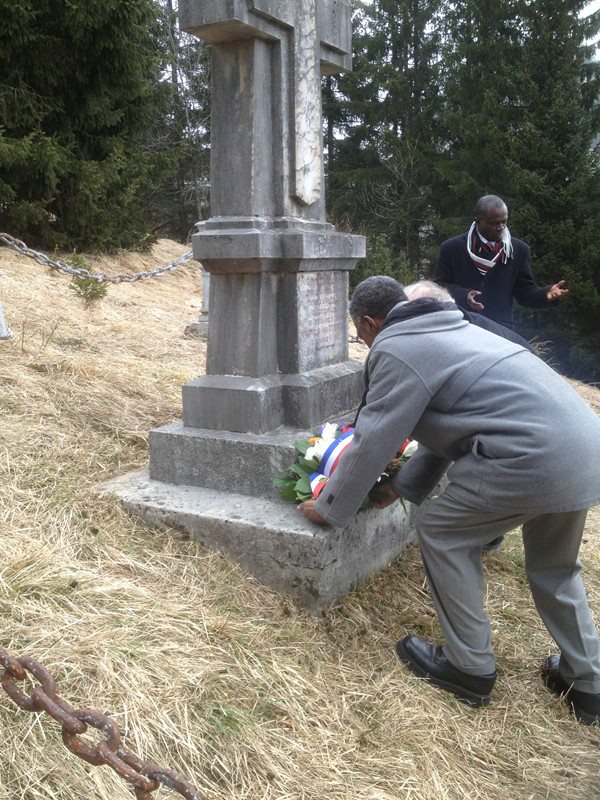
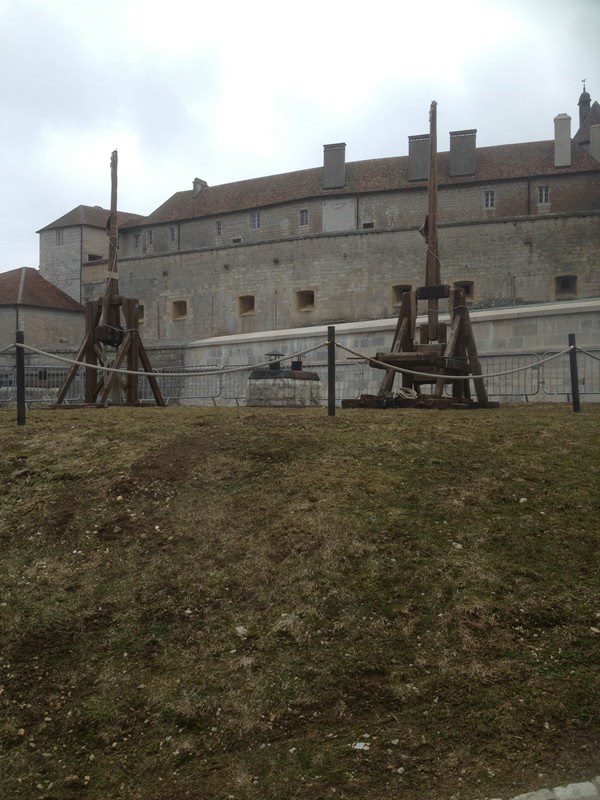


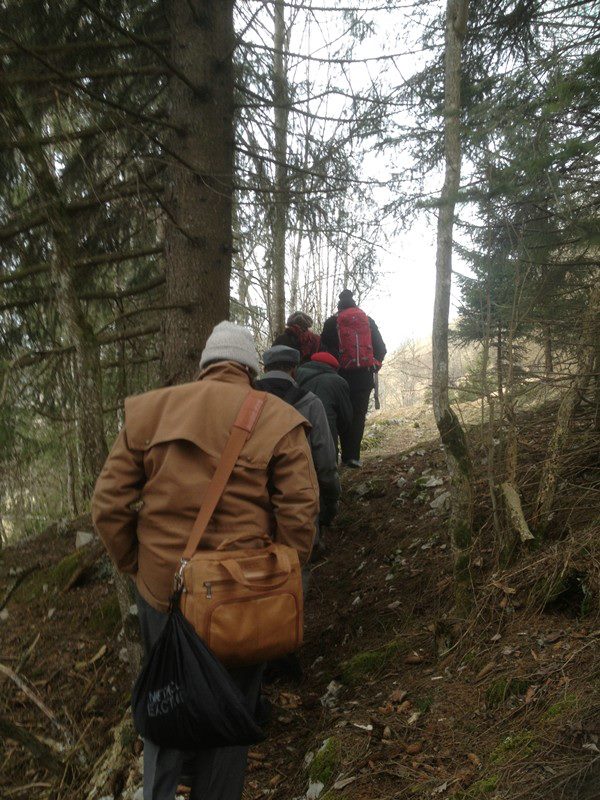
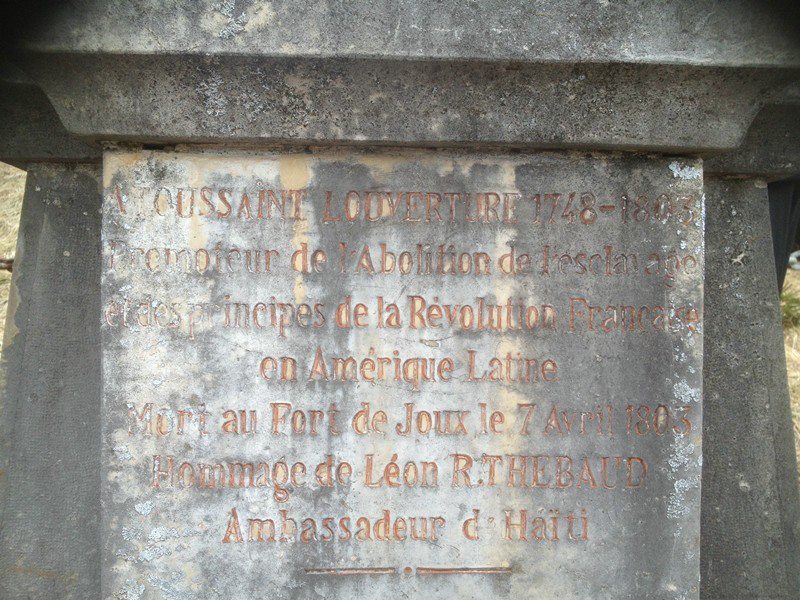
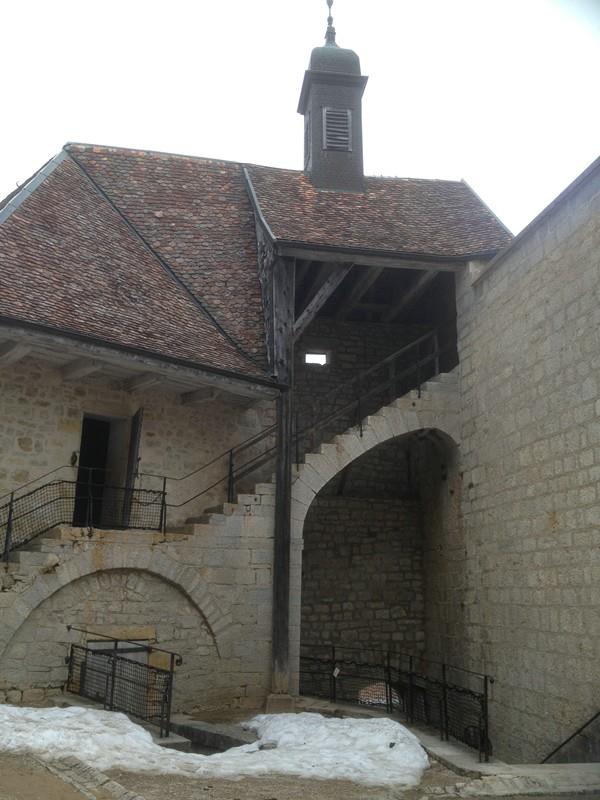

On Monday 6 and Tuesday 7 April 2026, friends of Haiti, representatives of anti-racist initiatives and emancipation activists will gather for the 24th time on a pilgrimage to the “Fort de Joux”, near Pontarlier, on the border between France and Switzerland. The meeting is dedicated to commemorating the death of Toussaint Louverture, who died there during his imprisonment in 1803, and to remembering the painful “ransom for Haiti’s independence” imposed by the former imperialist power in 1825.
On Monday, 6 April 2026, the programme includes the arrival in Pontarlier of pilgrims from numerous countries, a meeting at the hotel and a convivial dinner at a local brasserie.
On Tuesday, 7 April 2026, a gathering is planned at the Fort de Joux memorial, where wreaths will be laid. This will be followed by a gathering at the entrance to the fort, a visit to Toussaint Louverture’s cell, and an official commemoration organised by the Municipality of Pontarlier.
For further information, please contact:
https://louverture.ch/pelerinage-toussaint-louverture/
Events of this kind should not be interpreted as a form of revenge by peoples once enslaved against their former oppressors. Rather, their significance lies in bringing to light little-known or poorly publicised chapters of history, the reconstruction of which allows us to piece together elements of memory and social biography that are essential for avoiding the repetition of the same contradictions and mistakes.
At the same time, movements demanding colonial reparations and emancipation are growing worldwide, both in terms of numbers and influence.
Among these is the movement known as Colonialism Reparation, which calls on colonialist and imperialist countries to acknowledge the crimes perpetrated, initiate reconciliation processes, issue official apologies to the victims and guarantee due reparations, affirming the supremacy of the “force of law” over the “law of force”.
https://www.colonialismreparation.org/en/
Another initiative supporting the emancipation of emerging peoples is the “Institut de l’Afrique Des Libertés”, present in several countries with numerous activities aimed at achieving military, financial, political and cultural sovereignty.
https://www.youtube.com/@FranklinNyamsi/videos
The founder of the Institute, Franklin Nyamsi, highlights the need for a genuine union of African peoples to counter NATO’s attempts to recolonise the continent, the cradle of humanity. https://www.pressenza.com/2024/07/africa-in-natos-sights/
Another expression of this drive for emancipation is represented by the Sahel Confederation AES, which includes Mali, Burkina Faso and Niger, covering an area of 2.7 million km² and with a population of 71 million. These countries are regaining control of their resources in order to meet the needs of their respective peoples and take back control of their future.
https://www.youtube.com/watch?v=eRUAjS-iCr8
Reconciliation and redress for injustices are not only aimed at healing the wounds of the past, but are also extremely relevant today, as neo-colonial violence continues to manifest itself in new forms.
https://www.pressenza.com/it/2019/02/venezuela-come-se-la-storia-non-insegnasse-nulla/
Inspired by the example of Toussaint Louverture and the nonviolent struggles for freedom and emancipation, memory becomes a guide for the present, fuelling justice, solidarity and the construction of a future of cooperation in which peoples can grow free, sovereign and masters of their own destiny.



