

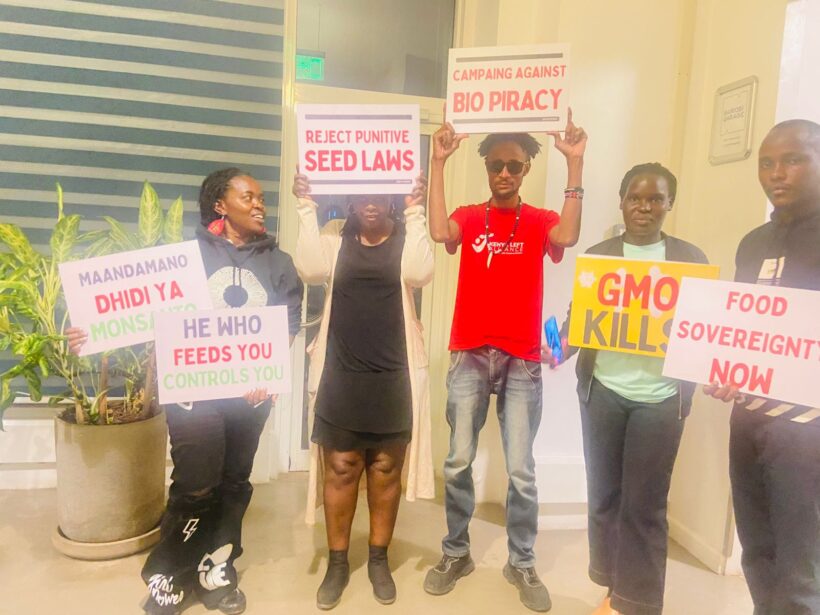
Kenyan farmers won a major legal victory in December 2025 when the High Court declared key parts of the Seed and Plant Varieties Act unconstitutional, upholding their right to save, share, and exchange indigenous seeds, a win for food sovereignty and climate resilience.
By Tracey Kadada
This ruling removed the threat of criminalization for these traditional practices, a win celebrated by farmers and advocates against corporate control of the food system, building on an earlier March 2025 win upholding the GMO ban.
What the Ruling Means
Decriminalized Seed Saving: Farmers can now freely save, use, exchange, and sell their traditional, local seeds without fear of jail time or hefty fines.
Protected Indigenous Seeds: The ruling safeguards community seed banks and traditional farming methods crucial for climate resilience.
Victory for Food Sovereignty: It challenges corporate dominance in the food system, affirming farmers’ control over their own food.
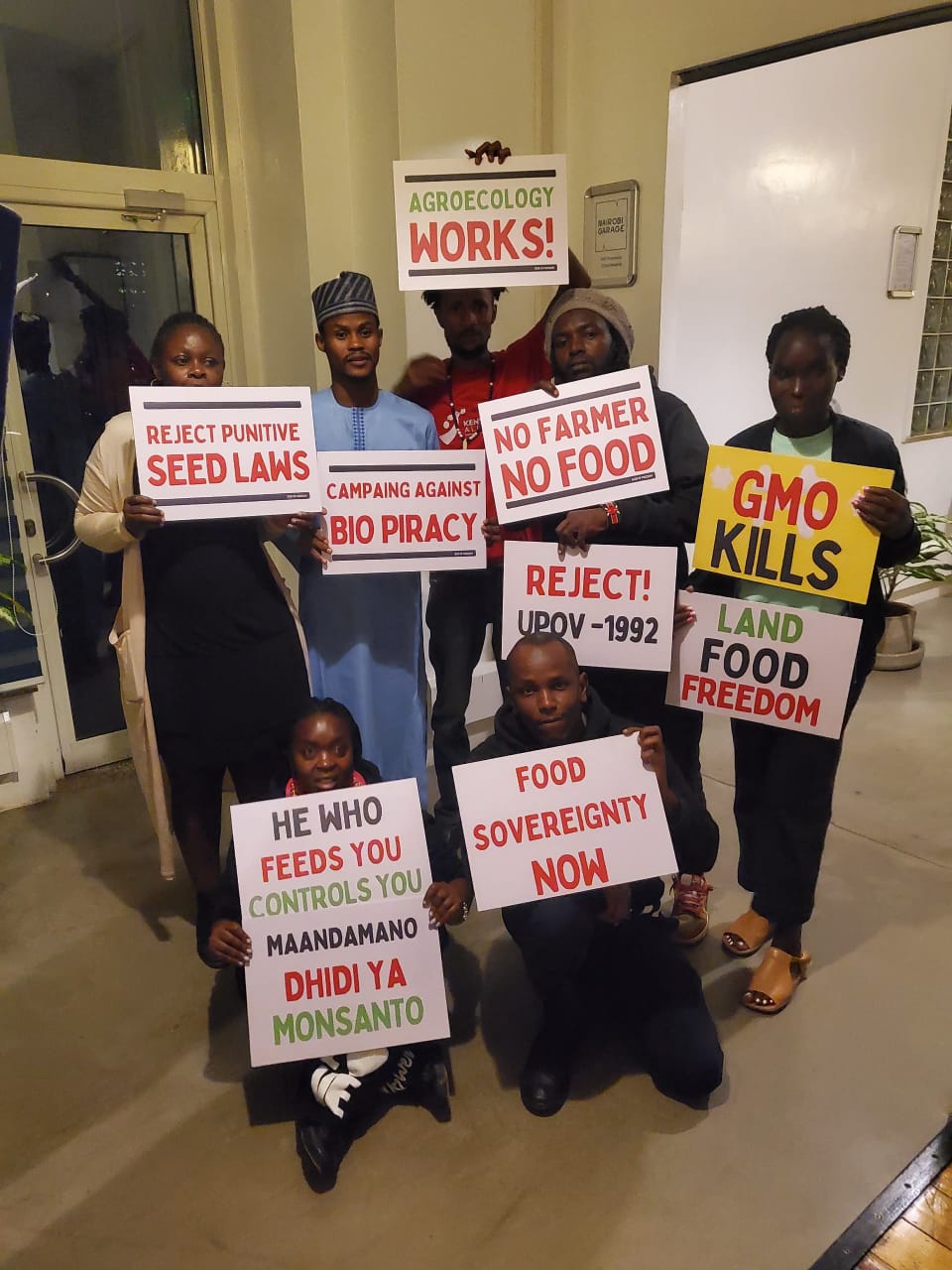
Background
The Law: The Seed and Plant Varieties Act (2012) had criminalized the sharing of unregistered seeds, a practice deeply rooted in Kenyan culture.
The Challenge: A group of 15 smallholder farmers, supported by Greenpeace Africa and other allies, challenged the law in court.
The Outcome: Justice Rhoda Rutto ruled that sections of the Act violated constitutional rights, marking a historic win for farmers.
This victory follows another significant win in March 2025, when the Court of Appeal upheld the ban on Genetically Modified Organisms (GMOs), further strengthening food sovereignty efforts.
Today, Kenyan Humanists have joined the farmers to celebrate the win because we have partnered with them and fought a good fight for victory.
Silo’s teachings emphasize the central role of the human person and the dignity of labor, coupled with a deep respect for nature and community well-being.
Peace, Force and Joy!



