

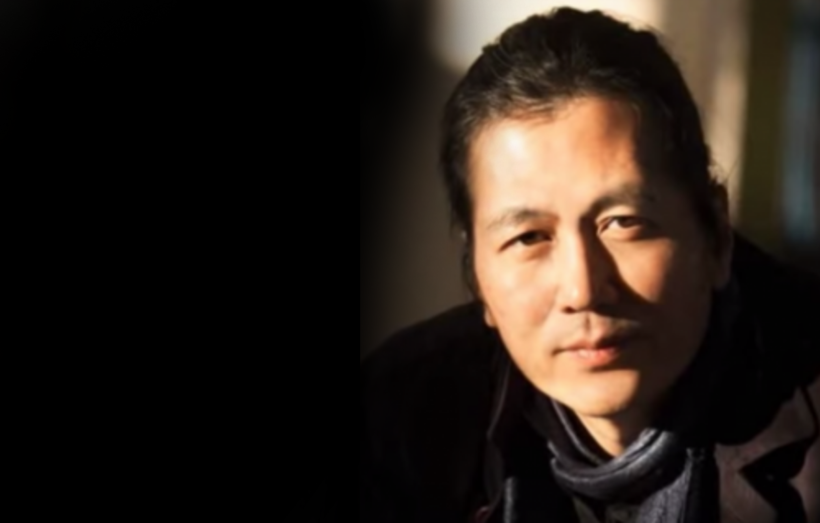
The Burnout Society, written by the South Korean-German philosopher Byung-Chul Han, is a brief book based on an essay that challenges the conceptual frameworks underpinning the dominant paradigms of contemporary society. In this work, Han offers a profound and accurate diagnosis of the dynamics of life in late modernity and their consequences for the mental and existential health of the individual. He argues that we have transitioned from a disciplinary society, characterized by external oppression and imposition, to a performance society that paradoxically self-exploits the subject through an internalized demand to be efficient, successful, and productive. This shift creates a new type of malaise where fatigue and exhaustion no longer stem from external factors but from self-imposition, giving rise to phenomena such as burnout, depression, and anxiety. These symptoms reflect a crisis that exceeds the medical realm, serving as manifestations of a social model that traps the individual in an illusory freedom—where being “one’s own boss” actually means being one’s own oppressor.
Han’s major contribution lies in providing a philosophical framework for these problems, which are commonly regarded as individual disorders, enabling them to be understood as social and cultural symptoms. He highlights how the overabundance of positivity, hyperactivity, and relentless demands destroy the capacity for rest, contemplation, and leisure, resulting in a spiritual exhaustion that tears apart human connections and deprives the individual of true freedom. His analysis reveals the consequences of a society that glorifies voluntary self-exploitation and individual success while degrading collective well-being and authentic enjoyment of life.
This essay invites reconsideration of the importance of pause, conscious boredom, and deceleration as forms of resistance against a system that commodifies all aspects of existence, including human relationships. Although the book does not offer practical solutions, this absence is its strength, as it induces deep reflection on the type of humanity being shaped under the logic of self-capitalization and extreme performance. Despite some cultural generalizations toward Western experience, Han’s diagnosis remains undeniably relevant, and his call to reconstruct spaces of meaning and authentic freedom is urgent in an era marked by acceleration and social fragmentation.
Ultimately, The Burnout Society is an essential read for those seeking to understand the malaise of our time from a philosophical and critical perspective, illuminating the paradox between apparent freedom and the real self-imposition characteristic of the contemporary subject. The text encourages a reevaluation of the meaning of rest and contemplation, necessary elements for achieving a fuller life, free from self-exploitation and the constant pressure to perform.



