

In 2015, The Women’s International League for Peace and Freedom (WILPF) was celebrating their 100th anniversary. In light of this monumental event, WILPF gave name to the movement it has been
advocating for the past 100 years, Women’s Power to Stop War.
WILPF developed out of the International Women’s Congress against World War I that took place in The Hague, Netherlands, in 1915 and the formation of the International Women’s Committee of Permanent Peace; the name WILPF was not chosen until 1919.
The first WILPF president, Jane Addams, had previously founded the Woman’s Peace Party in the United States, in January 1915, this group later became the US section of WILPF.
Furthermore, the Women’s International League for Peace and Freedom is opposed to wars and international conflicts. The major movements of the league have been: open letter to UN secretary general to formally end the Korean War, a statement on weapons and an international day for the total elimination of nuclear weapons, gender-based violence and women human rights defenders.
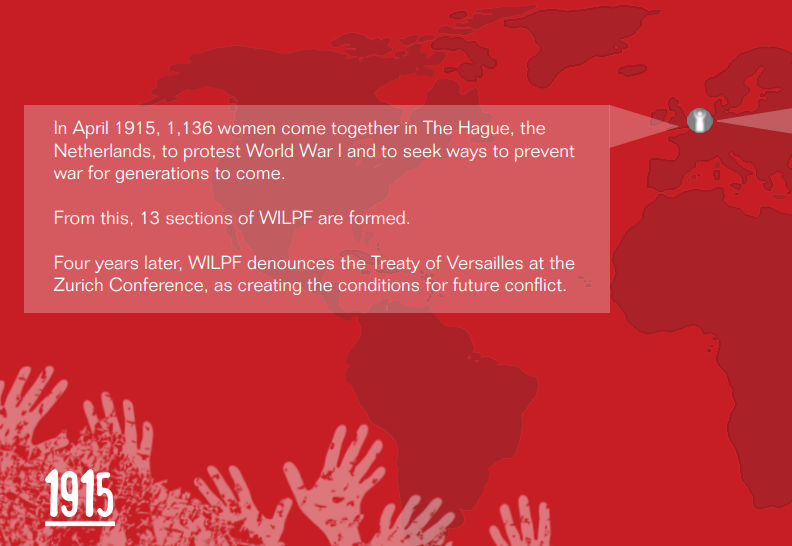
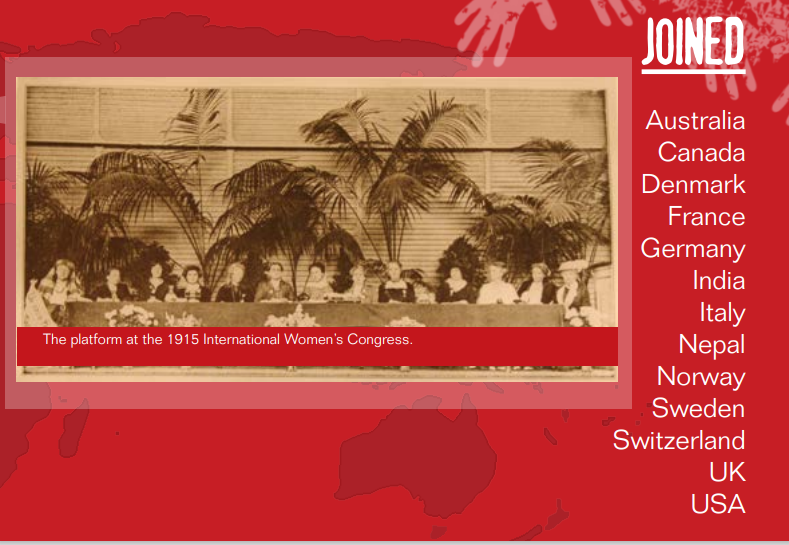
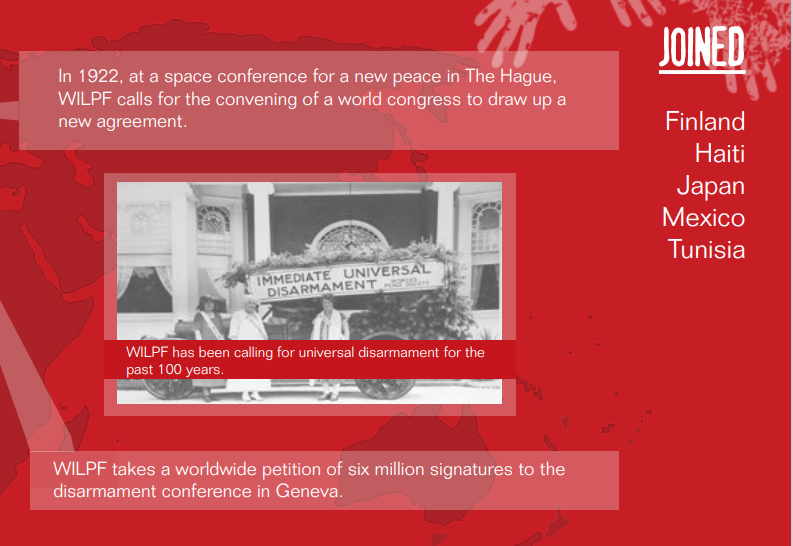
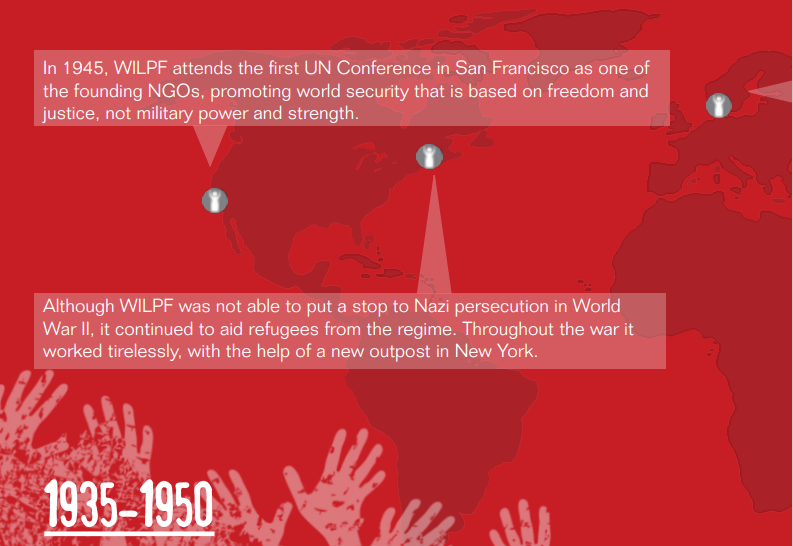
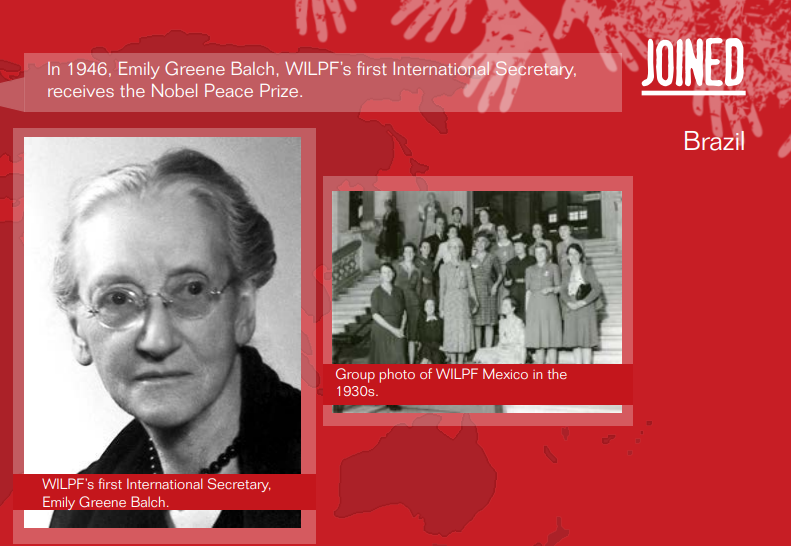
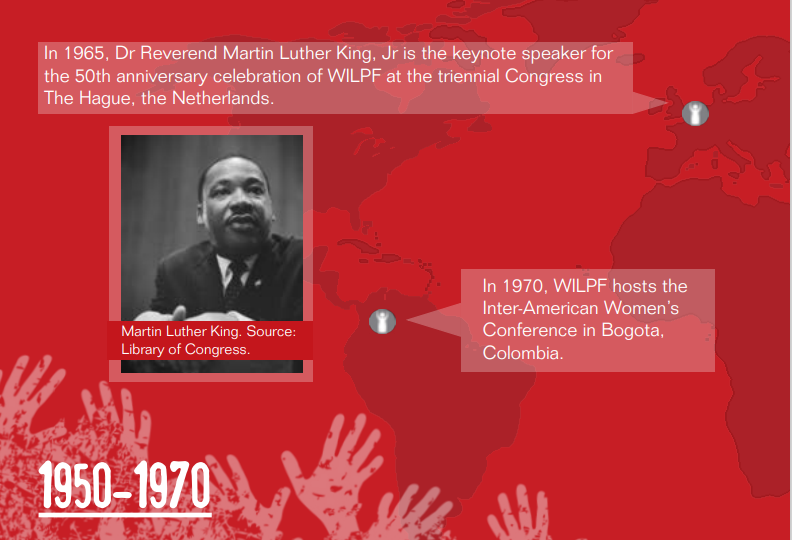


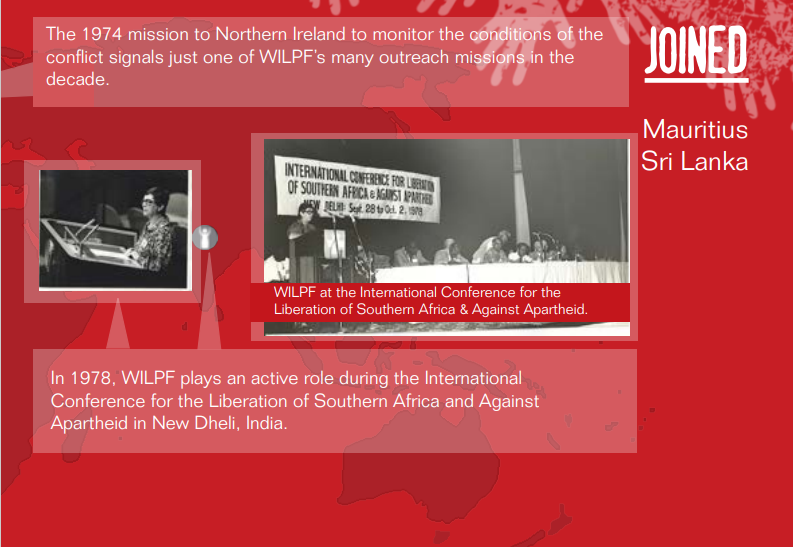
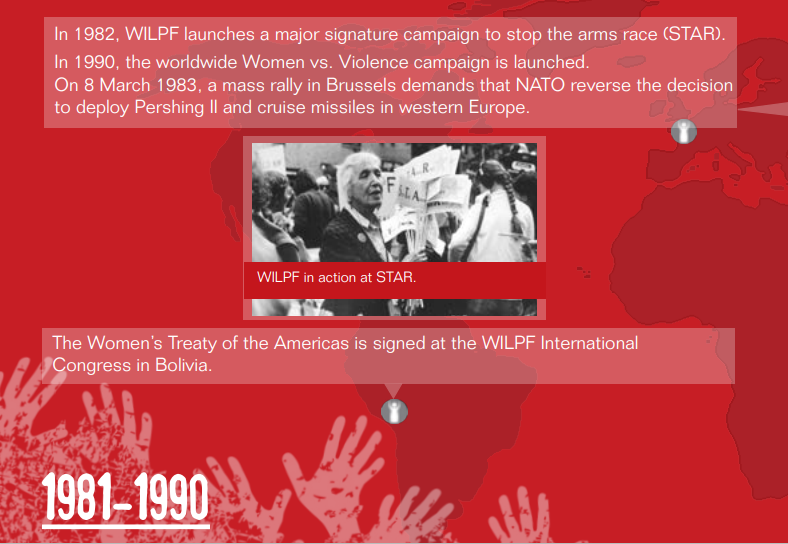
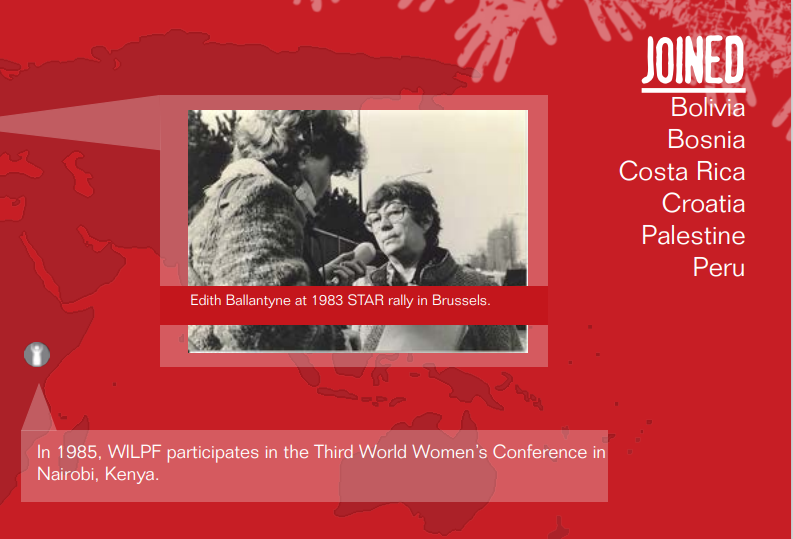
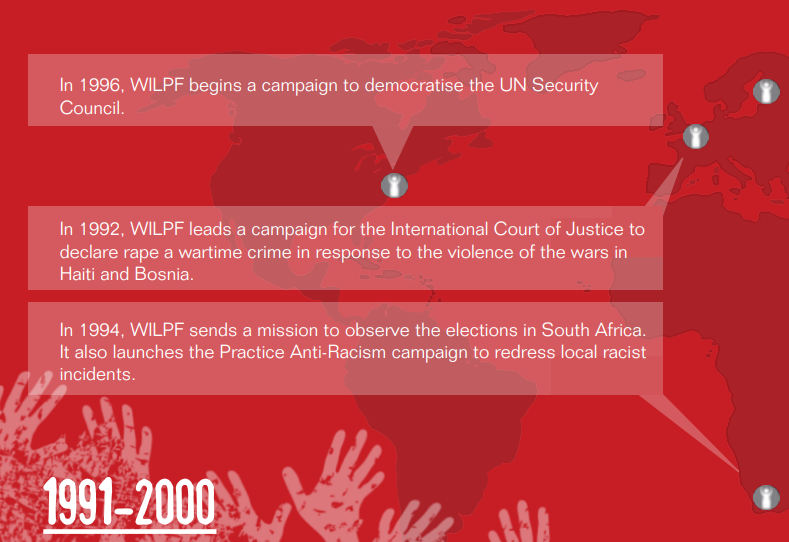
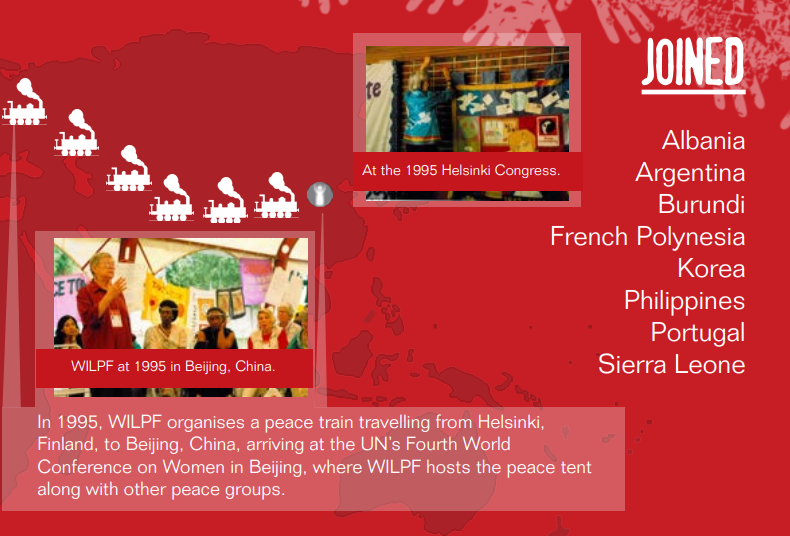

Today more then ever, joining the movement to Stop war, women and girls are part of an international community who are bringing back the ideas that the First International Women’s Congress established back in 1915.
The WILPF believe conflicts and wars cannot be stopped without the participation of women – and that it is time women focus on and use their power to stop war.
WILPF has had Consultative Status with the UN Economic and Social Council (ECOSOC) since 1948 and has Special Consultative Relations with the United Nations Educational, Scientific and Cultural Organization (UNESCO) and the United Nations Conference on Trade and Development (UNCTAD), as well as special relations with the International Labour Organization (ILO), Food and Agriculture Organization (FAO), United Nations Children’s Fund (UNICEF) and other organizations and agencies.
WILPF has advocates and lobbies for the democratization of the UN, the Security Council, United Nations Disarmament Commission and all other UN organizations and agencies; monitors Security Council and General Assembly activities in order to promote reforms; opposes the privatisation and corporatisation of the UN, especially the global compact with corporations; and advocates for the abolition of the Security Council veto.
The canadian WILPF is form of diverse group of activists, ranging in age from 20-something to 81. They are women born in Canada, the Caribbean, the US., the South Pacific, India, the Middle East, Europe, and elsewhere. They worked or are working as teachers, librarians, public administrators, doctors, politicians, and parents. Today the WPLPF interests include influencing prostitution policy, supporting refugees, educating girls in Africa, and strengthening women’s voices in local politics. They devoted their efforts in finding ways to influence government policy on militarism, indigenous affairs and other public issues.
____________________________________________________________________________
Source: images WILPF Women’s Power to Stop War, wikipedia



