

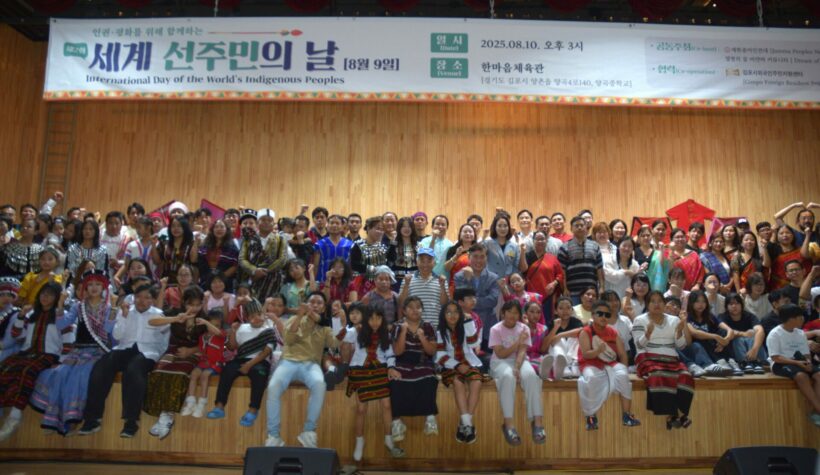
On 10 August 2025, we gathered in Gimpo City to mark the 2nd International Day of the World’s Indigenous Peoples in South Korea… organized and hosted by the Jumma Peoples Network-Korea, a cultural organization of the Bangladesh Jumma Indigenous peoples established in 2002, and Dream of Nations Myanmar Community of the Refugees of Myanmar indigenous peoples resettled by UNHCR and the Ministry of Justice of the Republic of Korea, both located in Gimpo City.
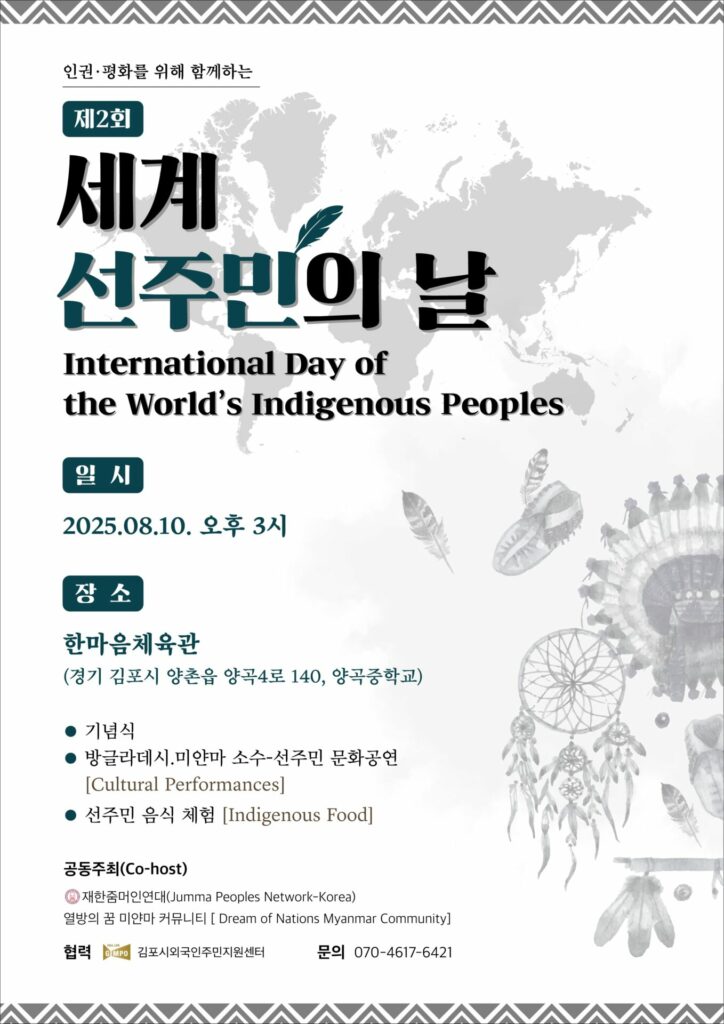
The International Day of the World’s Indigenous Peoples was first proclaimed by the United Nations (UN) General Assembly in December 1994. This year’s celebration recognizes and honors the rich diversity of Indigenous cultures, acknowledges historical injustices and ongoing struggles, and their contributions to humanity.
It has been said that Korea is now home to many indigenous peoples, including the Jumma Peoples of the Chittagong Hill Tract (CHT) and Indigenous nationalities of Myanmar. Most indigenous peoples living in Korea were victims of human rights violations in their home countries. Korea is one of the OECD states with a spirit of democracy, and ethno-politico-socio-cultural diversity.
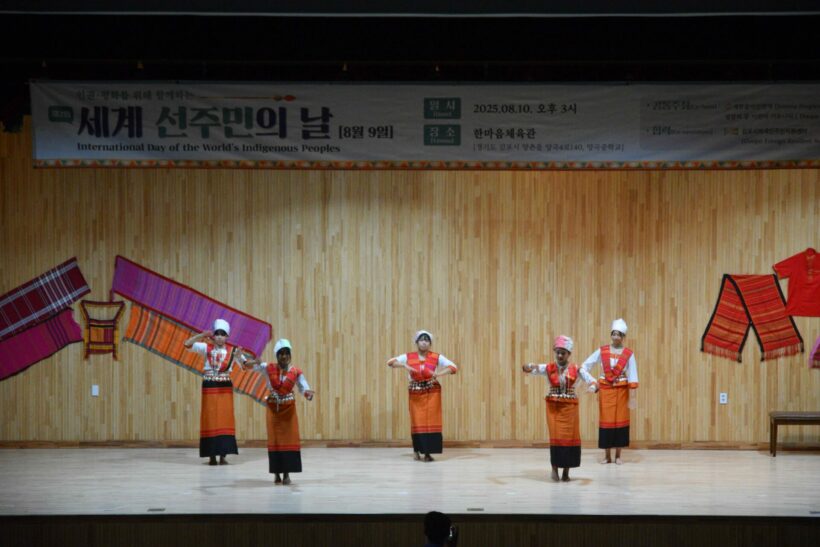
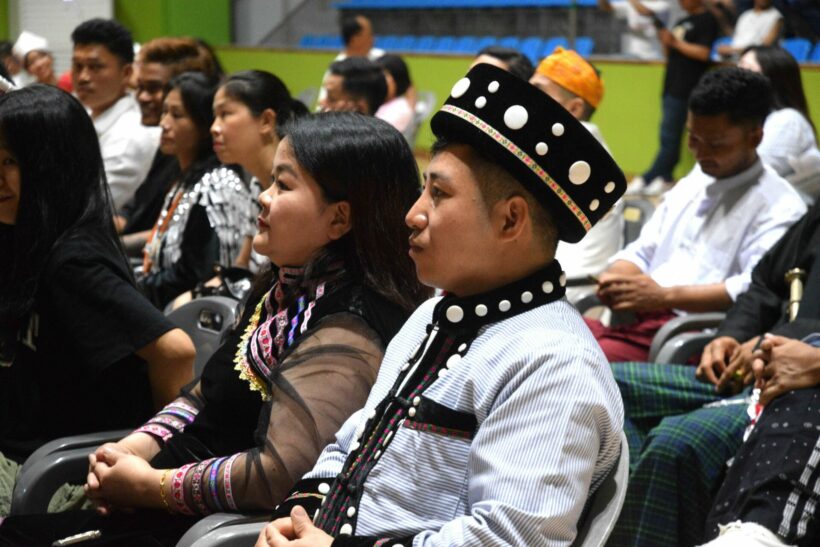
The event was a colorful showcase of the cultural and ethnic identities of Bangladesh’s 11 Jumma indigenous ethnic minorities and Myanmar’s 8 indigenous minorities who largely settled in Gimpo City, along with the invited Central American ethnic minority family and a Nepalese traditional instrument performance by the Gimpo Nepal Community.
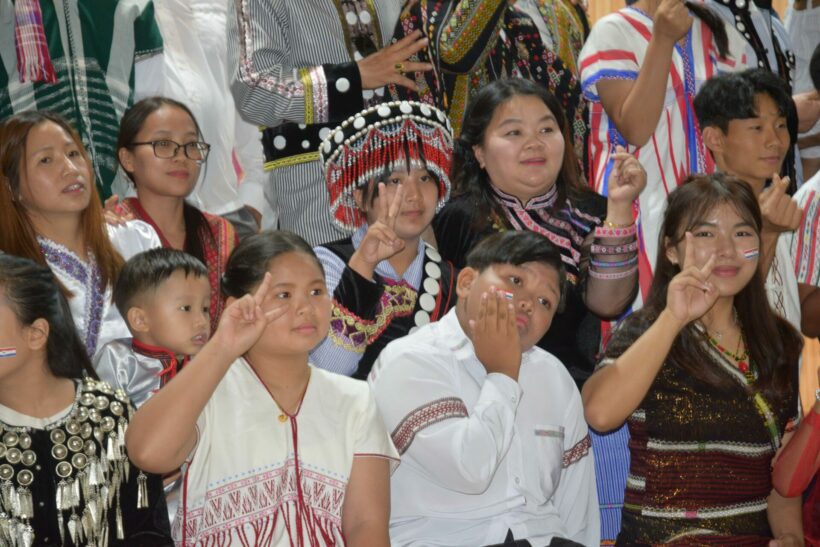
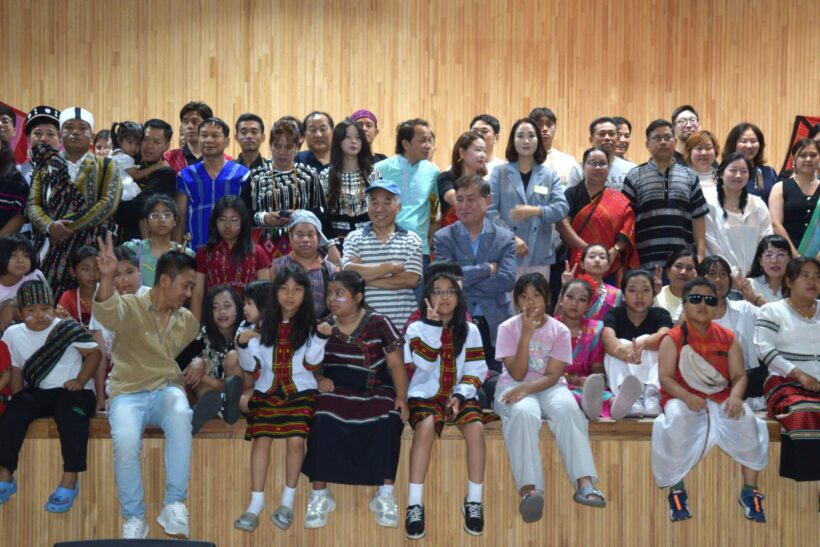
Mr. Ronel Chakma Nani, Indigenous Peoples’ Rights Activist and Counseling Team Manager at Gimpo Foreign Citizen Support Center, in his Introduction to the Meaning of Indigenous Peoples’ Day, highlighted that every year, 9 August commemorates the International Day of the World’s Indigenous Peoples, chosen in recognition of the first meeting of the UN Working Group on Indigenous Populations held in Geneva in 1982. The United Nations Declaration on the Rights of Indigenous Peoples was adopted by the United Nations General Assembly in 2007.
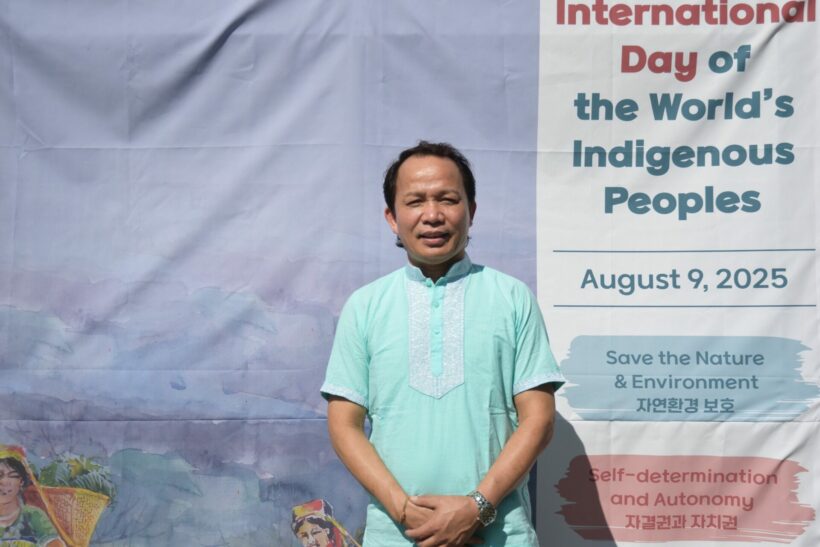
“According to ILO Convention No. 169 of 1989, defines that indigenous peoples are descendants of populations which inhabited the country or region at the time of conquest, colonization or establishment of state boundaries, irrespective of their legal status, retain some or all of their social. economic, cultural, and political institutions,” he explained.
“Though the U.N. Declaration on the Rights of Indigenous Peoples guarantees rights like self-determination and autonomy for Indigenous Peoples, in most countries, human rights violations such as land grabbing, economic exclusion, and social, political, and religious violence are being committed against indigenous peoples.
Since then, the indigenous population has been recognized as the most vulnerable, disadvantaged, and marginalized people in the world. The history of the persecution of indigenous peoples is long. A prime example is the genocide of Hispaniola in the Dominican Republic and Haiti by the Spanish navigator Christopher Columbus between 1492 and 1514, which resulted in the massacre of thousands of Taíno indigenous people. Such genocides are not history in Bangladesh, Myanmar, and many other countries, but a continuing fact. Today, Indigenous Peoples’ Day is celebrated by many around the world to advocate for their rights and cultural values,” he stressed.
It has been mentioned that about 476 million Indigenous People live worldwide, which accounts for 6.2 percent of the global population. In over 90 countries, there are over 5,000 distinct indigenous groups who speak over 4,000 languages, on every inhabited continent and in every climate zone.
All photos by Bereket Alemayehu.
Email: albereket@gmail.com



