

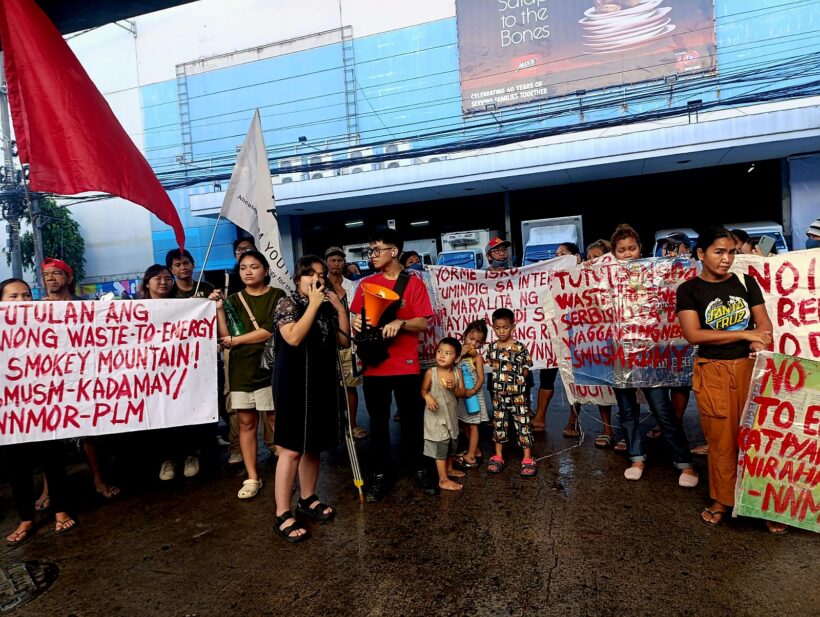
Philippine capital faces over 23,000 displaced residents as government pushes waste-to-energy project despite human rights concerns
Manila City, Philippines – 18 August 2025 – Manila Mayor Isko Moreno is under fire for carrying out illegal and coercive evictions in Brgy. 128, Smokey Mountain, Tondo, to make way for a controversial Waste-to-Energy (WTE) incineration project. The project, backed by the city government and President Ferdinand Marcos Jr., threatens the homes and livelihoods of at least 23,000 residents—mostly wastepickers—without meaningful consultation, humane treatment, or a viable resettlement plan.
“For decades, we have been partners of the city in diverting waste from landfills. Now, we are treated as garbage, not as human beings,” said Elena Plaza, President of Nagkakaisa at Nagdadamayang Marala Organization (NANAMOR). “It is not only the structures that are being destroyed but also their dignity and their future,” added Mimi Domingo, Secretary General of Kalipunan ng Damayang Mahihirap (KADAMAY). Children in the community have already been traumatized due to the forced demolitions, and residents remain anxious about looming homelessness. Despite repeated calls, Mayor Moreno has not met with affected families, citing a string of official meetings as the reason for not engaging directly.
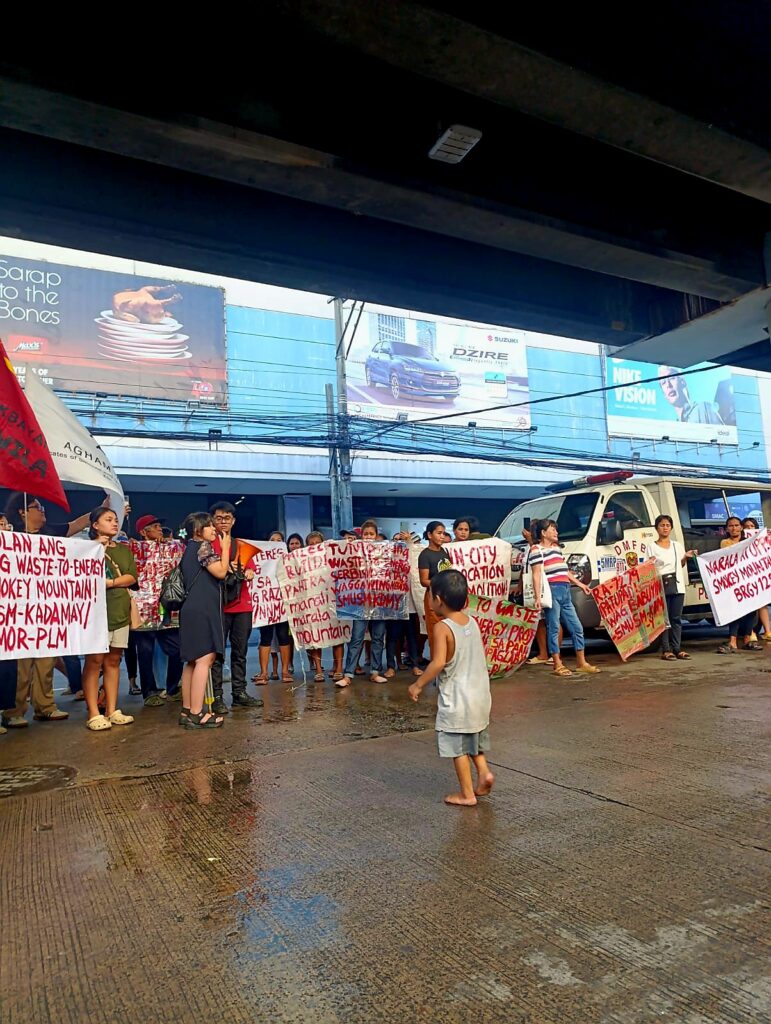
Smokey Mountain has long been a symbol of urban poverty, resilience, and the challenges of waste management in the Philippines. Over the years, international and local initiatives have transformed the former landfill through urban regeneration, mass housing, livelihood programs, and recycling projects. Yet the area continues to reflect the struggles of the urban poor and the urgent need for sustainable, community-centered solutions.
The WTE plant itself was previously dropped by the World Bank from the Metro Manila Flood Control Project due to insufficient environmental and social safeguards and high costs. Despite this, foreign and local corporations—including Japanese partner Kandanevia, PhilEco, and tycoon Ramon Ang—have renewed their interest in building the facility, putting vulnerable communities at risk once again. Project documents indicate that the WTE component was originally intended to be replaced with materials recovery facilities and community-based livelihood programs, but the Manila government has revived the incineration scheme at the expense of wastepicker communities.
On July 18, NANAMOR formally wrote to Mayor Moreno opposing the planned WTE plant, citing threats to their livelihoods, homes, health, and environment. Instead of dialogue, the city responded with demolition notices issued on August 4 and August 12. Families were given only seven days to vacate or risk losing even the meager compensation offered—ranging from as little as ₱5,000 to ₱80,000—and were told to dismantle their own homes to create the illusion of voluntary eviction.
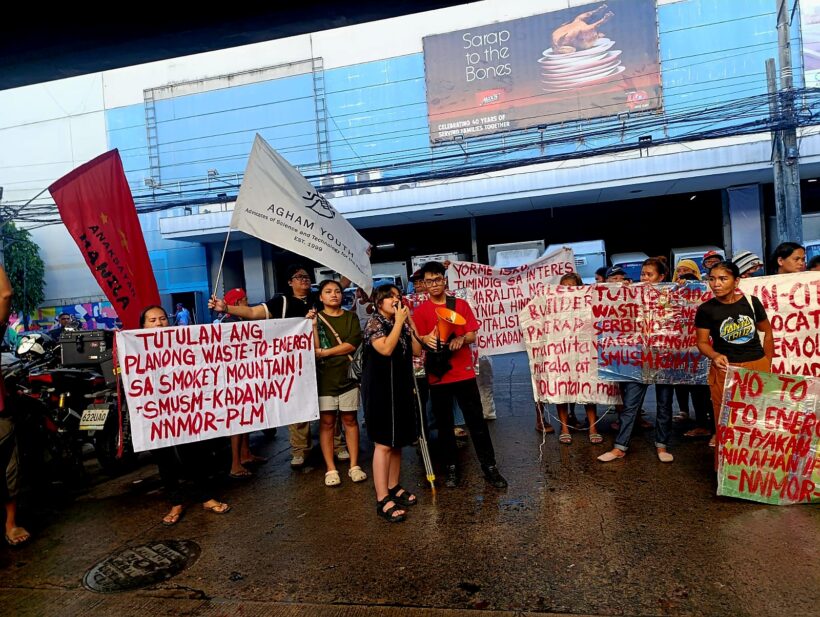
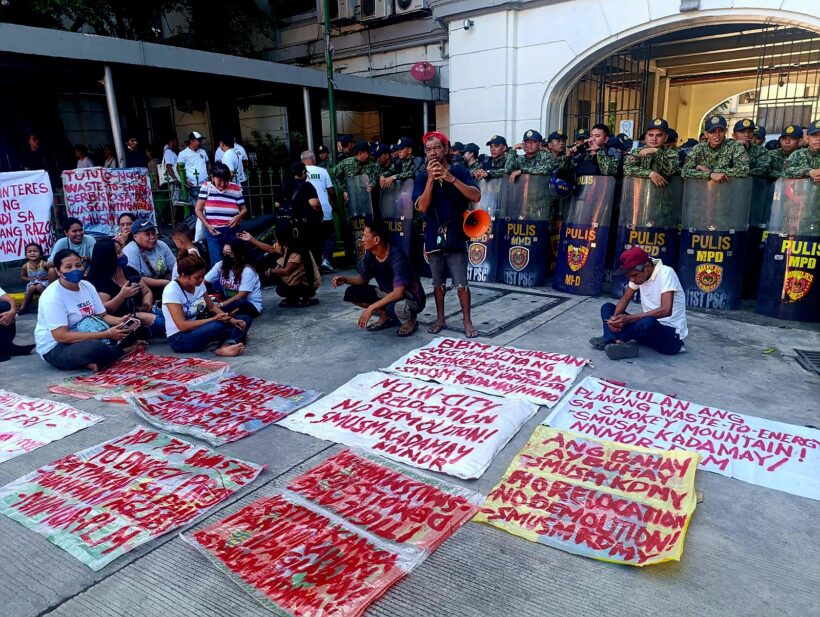
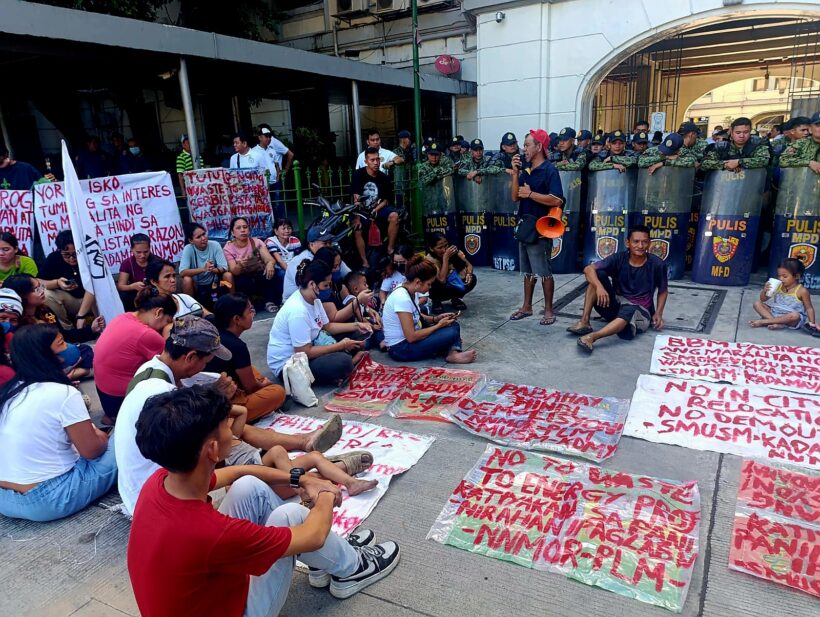
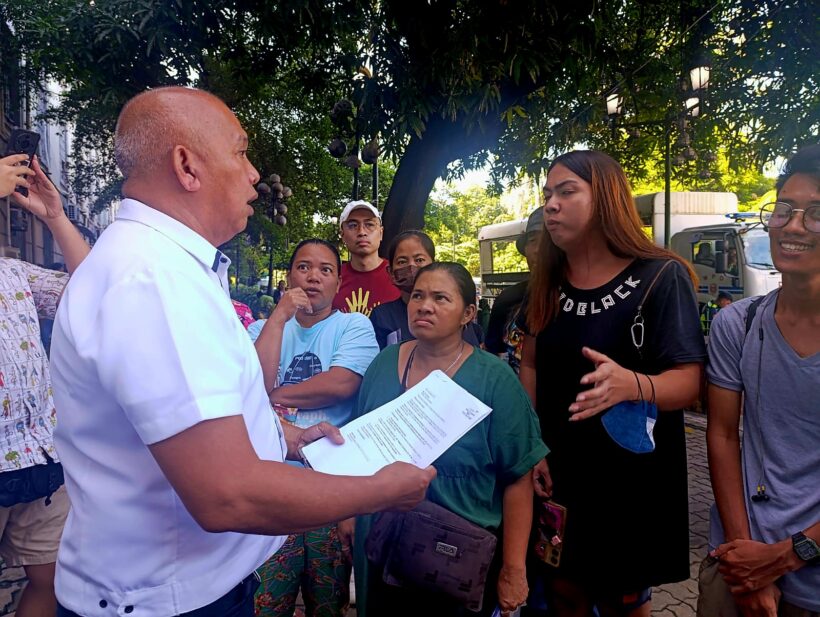
Community groups warn that the city is employing incremental coercive eviction, a long-used strategy to weaken organized resistance and silence collective negotiation. Families who remain face the looming threat of homelessness, while children continue to show signs of trauma and fear from the demolitions.
Around the world, WTE incineration has been linked to toxic emissions, health inequities, and climate impacts—burning valuable resources instead of conserving them. In Manila, the project is now directly responsible for forced displacement and loss of livelihood, compounding the injustices already borne by waste-picker communities.
“The World Bank, the Asian Infrastructure Investment Bank, the Philippine government, and its private partners cannot wash their hands of accountability. By allowing this project to proceed, they are enabling grave human rights violations in the name of development,” the groups said.