

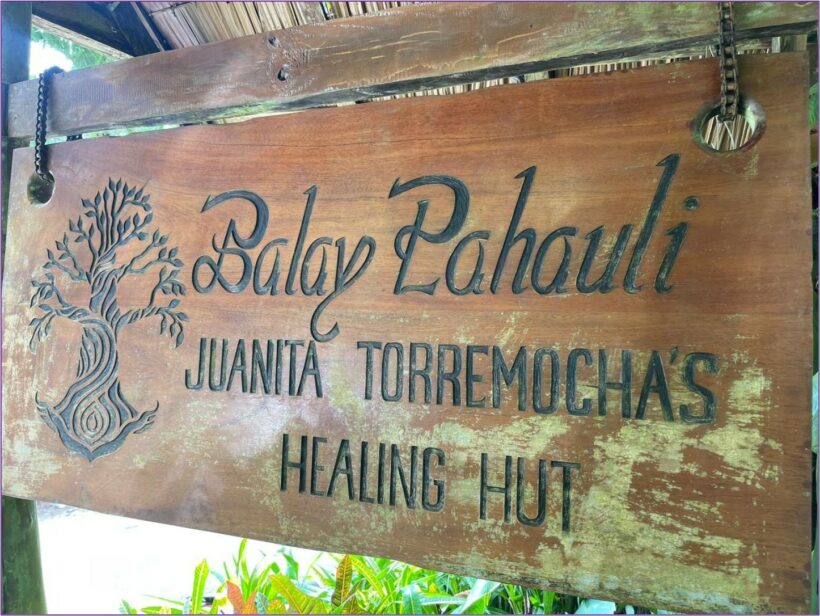
The Enduring Wisdom of Siquijor’s Healing Traditions
By Genevieve Balance Kupang
Thank you for reading the first four articles.
The echoes of the 5th Hanseatic League of Universities (HLU) conference 2025, a vibrant educational gathering, continue to resonate, but for those of us who journeyed to the Mystical Island of Siquijor, the learning transcended formal academic discourse. Our immersion into this “Isle of Fire” was, as I’ve articulated in the earlier series (Kupang, 24-07-2025), a significant “natural learning experience.” It was a journey into the heart of endemic wisdom, nowhere more palpable than in Siquijor’s healing traditions. Foreigners and locals alike have come to this island to experience it.
This second part delves into the power of Siquijor’s traditional medicine, where the tangible and the spiritual coalesce, and where an understanding of kaginhawahan, wholeness and wellness extends beyond the dominant paradigms. It is similar though there are differences to what we observe among other local communities worldwide like the mumbaki in Ifugao, the mensip-sip-ok in Mountain Province, the Babaylans among other Visayan provinces, the traditional Chinese medicine practitioners, Ayurvedic healers in India, the Sangomas of South Africa, the Tohunga among the Maori of New Zealand, and the Native American Indians.
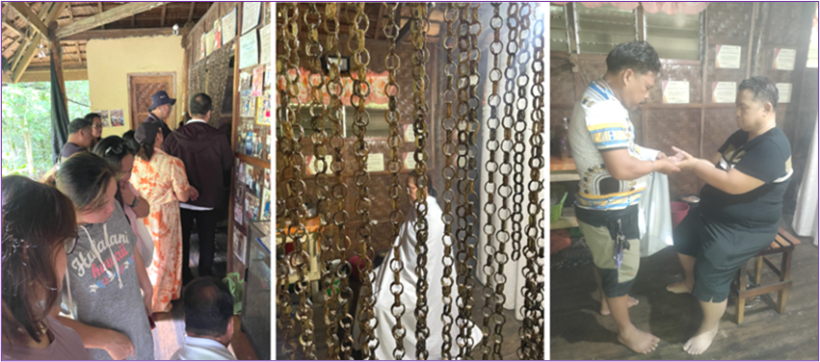 Curiosity piqued, HLU delegates lined up to witness the restorative session inside the healing hut. Here, healer Noel shared Siquijor’s traditions with his client, offering a glimpse into local wellness practices.
Siquijor, often cloaked in mystique and intriguing tales, is far more than its supernatural lore suggests. It is a living repository of ethnomedical knowledge, passed down through generations of mananambal—the island’s traditional healers. These practitioners embody an approach to health, recognizing that ailments often stem from a disharmony between the spiritual, psychological, physical, environmental and emotional realms. It’s urging us, as scholars and global citizens, to appreciate the intricate tapestry of human understanding. Take for example what our participant from ULAB Bangladesh, Jude William Genilo, had to say:
My experience with traditional healing in Siquijor was surreal—brief, yet deeply moving. The session lasted only a few minutes, but its effects lingered far longer.
Siquijor, often referred to as the healing island of the Philippines, is known for its active community of traditional healers. These healers are believed to possess the gift of grace, healing, and health—gifts they generously share with those who come from near and far in search of relief, clarity, and balance.
I was asked to sit on a wooden chair, beneath which burning coals emitted aromatic smoke. The herbal scent was calming, and I immediately felt more relaxed. The healer then wrapped me in a blanket, creating a cocoon-like warmth. Quietly, he stepped behind me and began to recite prayers.
At one point, he gently applied oil to my temples, continuing to chant. He then examined my palms, aligning them side by side. What surprised me most was his insight: he said I was lacking sleep and often woke up several times during the night—something I hadn’t shared with anyone. He also noted a sense of coldness in parts of my body. With further prayers, he placed his hand gently on my forehead, intending to help me sleep well that night.
The healing hut was simple and humble, with two rooms—one for the healing sessions and a back room I did not enter. Outside, a small porch served as a waiting area for others seeking healing.
After the session, I placed some cash in the donation box as a token of gratitude. I left not only feeling physically lighter but also spiritually grounded—peaceful, calm, and with a quiet confidence that I would sleep deeply that night.
Siquijor’s mystique lies not only in its natural beauty but also in its enduring spiritual traditions. The healers carry forward a legacy of care that connects the physical and the spiritual—a gentle reminder that healing can come in many forms, often when and where we least expect it.
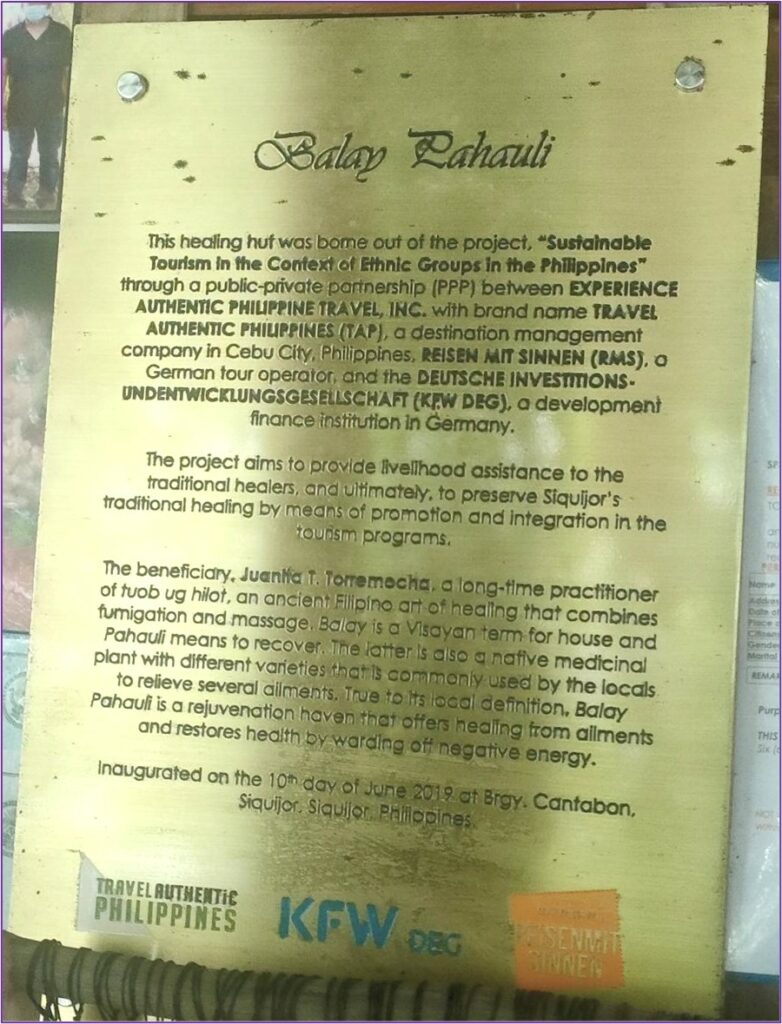 This engraved brass plaque describes Tuob ug Hilot, an ancient art of healing that combines fumigation and massage.
The heart of Siquijor’s healing philosophy lies in its connection to nature and spirituality, including folk religiosity. The island’s verdant forests, fertile soil, and abundant coastal waters provide an apothecary of medicinal plants, barks, roots, and oils. From concoctions for physical maladies to protective charms, the ingredients are harvested with reverence, with specific moon phases or times of day, reflecting an ecological consciousness. This symbiotic relationship with nature is sacred. As local guide Jerry Buhisan highlights, the efficacy of traditional remedies is attributed not just to the biochemical properties of the plants but also to the spiritual potency imbued through ritual and the healer’s intention. This underscores the perspective of healing where the spiritual dimension is linked to the physical cure.
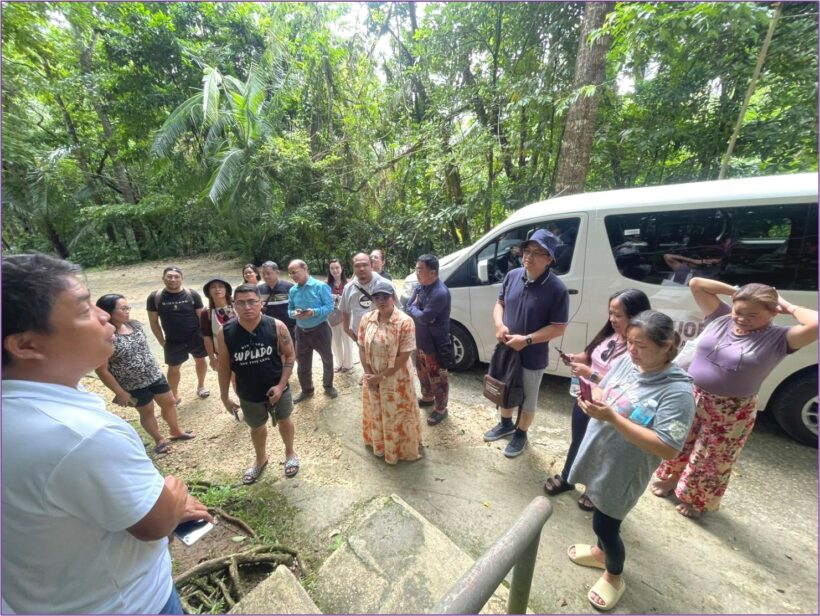 With local guide Sidney Matutis Andos, we received a briefing before our ascent to Mt. Bandilaan. His knowledge provides the insights only locals can offer, enriching our immersive journey.
One of the rituals sought after by locals and curious visitors alike is the “bolo-bolo” healing. Performed by a mananambal, this involves a glass of water, a black stone, and a straw. The healer blows into the straw, creating water bubbles, which turns cloudy or murky as impurities or negative energies are believed to be drawn out from the patient’s body. The process is repeated until the water becomes clear. While empirical science seeks explanations, the bolo-bolo offers a testament to the psychological and spiritual dimensions of healing. It acts as a focal point for faith, cleansing, and reassurance, aligning the patient’s inner ecology with their belief in recovery. This ritualistic cleansing, as examined by Luyosen (2024) in a study on Faith Healing Practices: Insights from Practitioners, serves a vital psychosocial function, providing tangible evidence of healing and instilling hope.
There are also rituals for warding off malevolent spirits (usog, buyag), complex herbal preparations for various ailments, and the crafting of anting-anting (amulets) for protection or good fortune. Some amulets were for sale in the healing hut. These practices are not static; they evolve, adapting to new challenges while retaining their core principles. Traditional healers, much like applied cosmic anthropologists, intuitively understand the interconnectedness of human existence within a broader cosmic order. Their diagnoses often include not just physical symptoms but social dynamics, environmental factors, and spiritual influences.
The conceptualization of a dedicated space for healing, like the “Balay Pahauli,” (healing hut) encapsulates the spirit of Siquijor’s healing sanctuaries. There are many pockets of rejuvenation places in the island… from the healers’ homes, to the sea, quiet hill, under a vibrant centuries-old tree, to the mountaintops “Pahauli,” resonating with themes of return, restoration, or repose, suggests a place where one can retreat to reclaim wellness. In essence, many mananambal homes, or the island’s quiet corners where rituals are performed, function as these informal “Balay Pahauli”—spaces of solace and restoration. These environments imbued with warmth, ancestral energy, and the potent aroma of medicinal herbs restore the locals’ and guests’ well-being. According to Buhisan and Deles, patients find cure for their symptoms and a re-balancing of their being. The very act of seeking traditional healing involves stepping into a different temporal and spatial dimension, one governed by ancestral wisdom and natural rhythms (Berhe, Gesesew, Ward, 2024).
The field of medical anthropology provides a framework for understanding local healing traditions. This was exemplified over 30 years ago by Italian anthropologist Dominic Gaioni’s work in Mountain Province, where he posited that our “ba-angs” (front and backyards) serve as natural pharmacies. For HLU delegates, this immersive experience in Siquijor Island offered a sense of a different epistemology of health. It challenged preconceived notions of “effective” medicine and highlighted the resilience of indigenous knowledge systems amidst postmodern influences.
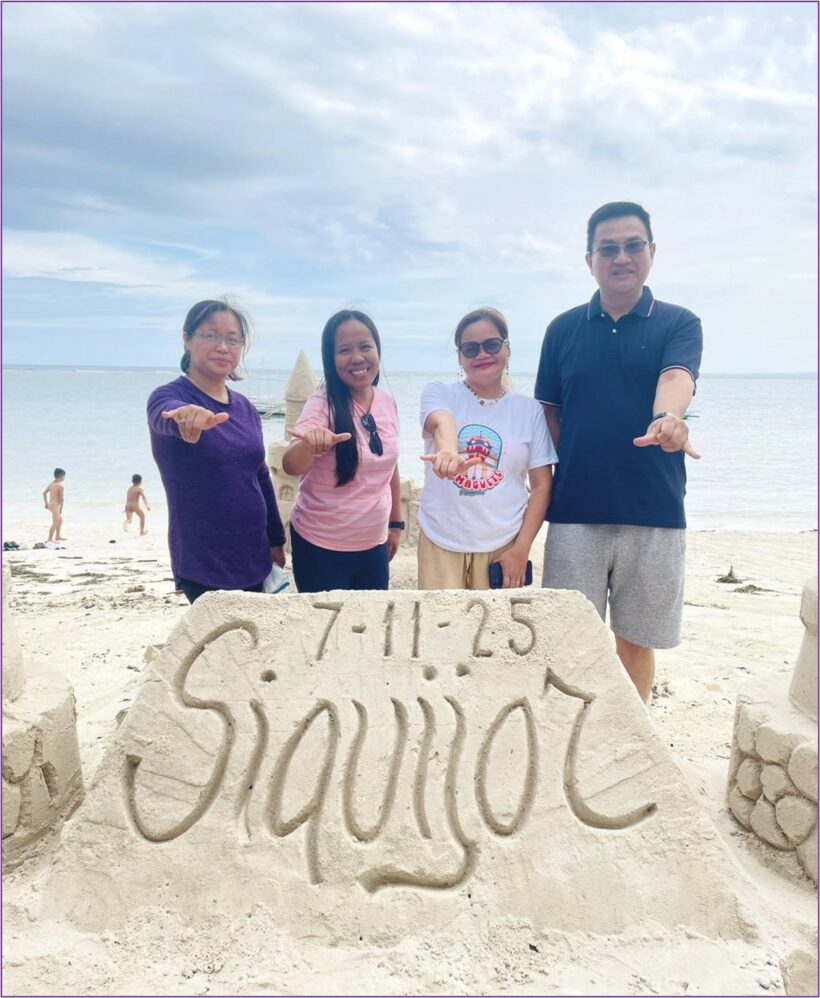 Tarlac Agricultural University’s Ms. Caroline N. Gabis, Chief of Partnership Development External Linkages and International Affairs (ELIA); Dr. Sheila R. Lingaya, Assistant Director for ELIA; Dr. Marianne P. Villaruel, Director of ELIA, and VP Dr. Yung-Ping Tseng of Taiwan’s National Chi Nan University.
In a world dominated by technological solutions, Siquijor’s simple yet efficacious healing traditions remind us of humanity’s deep connection to nature and spirit. This natural classroom experience underscored that empowerment for change lies in understanding and respecting diverse epistemologies of health and various healing modalities. The journey to Siquijor was more than an immersion in healing practices; it was about grasping a different way of living—one rooted in respect for the earth, community, and the unseen forces that shape our realities. Though brief, it proved to be anthropological and educational, aligned with the conference theme: “Breaking Barriers, Empowering Change.”
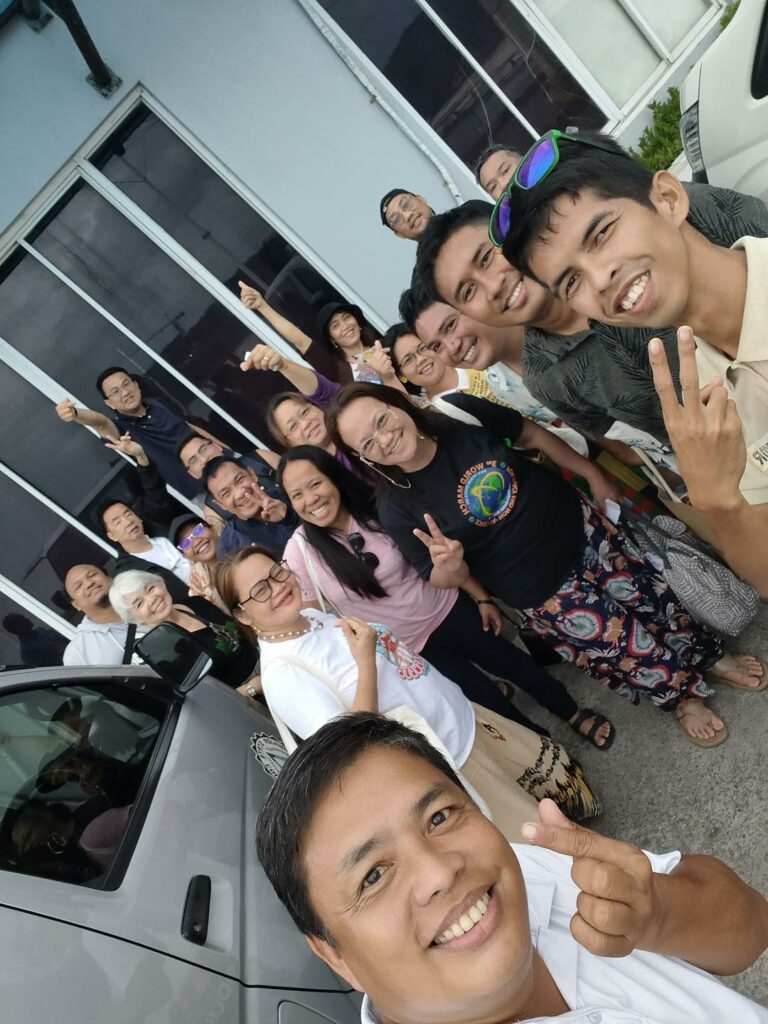 Our trained local guides and drivers, radiating smiles, safely returned HLU delegates to the port. Deeply satisfied with their meaningful immersive learning, delegates exchanged grateful pleasantries.
Our delegation from the 5th HLU conference extends its deepest thanks to our local guides: Sir Didi Deles, Supervising Manager of Instapay Travel and Tours; Sidney Andos, Jerry Buhisan, and two drivers. Their enthusiastic explanations truly illuminated the unique charm of Siquijor and its appeal to both local and foreign guests. I conveyed to them a message I once received from Stanislav “Stano” Ujhazi, a mandala practitioner from Slovakia now living in Japan, who greeted me with: “May the light of your hearts shine brighter and brighter to all corners of the universe.” To all our readers, may healing and well-being infuse you. May healing, good health, and kaginhawahan envelop your families and communities, and may the wisdom of our forebears bring well-being and peace to all corners of the earth.
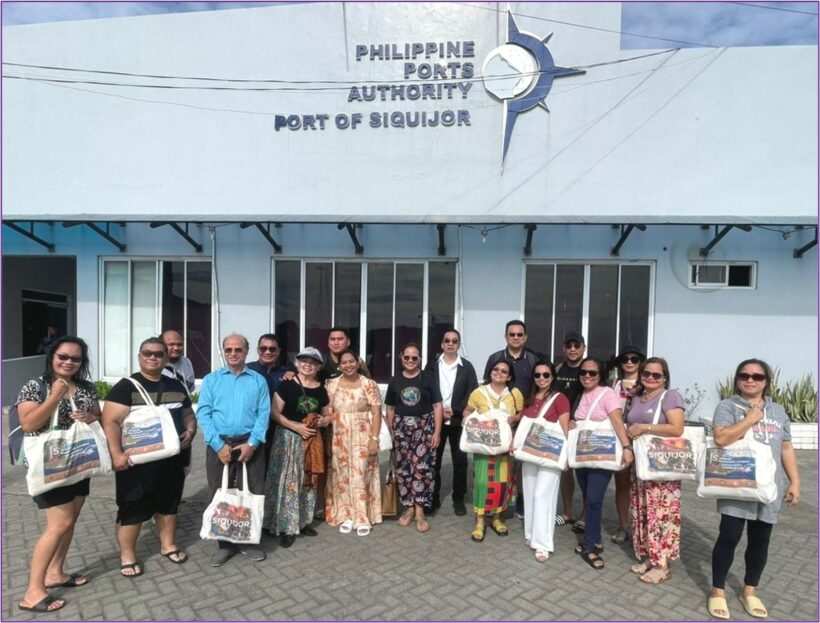 HLU delegates captured a moment at the Port of Siquijor Office, managed by the Philippine Ports Authority, the primary gateway for their journey to and from the Mystical Isle.
Stand by for the next series.
5th Annual Hanseatic League of Universities (HLU) Conference
Photo credits: Didi Deles, Jr.
#5thHLUatDumaguete&Siquijor
#5thHanseaticLeagueofUniversities
#ThankYouSiquijor
#2025AnnouncementofWURIRankings
About the Author:

Genevieve Balance Kupang is the WURI historian for 2024-2025.



