
We humans wear the mask of civilization, pretending to be gentle, good, and refined—but peel it away, and what remains is a beast far more brutal than anything in the wild. A lion kills only to eat; once its hunger is sated, it rests. But man? He hunts without limit, governed by no law except his own hunger for power. The true rule of this world is simple: there are no rules for the strong, only for the weak. The poor, the helpless, the forgotten—they exist to be used, crushed beneath the weight of those who wield power without conscience.
We live in an age where every horror is captured, broadcast, and consumed. AI and the ever-watching eye of the smartphone have turned reality into a spectacle, making us both witness and accomplice. We scroll past images of children bombed, families drowned, girls shot in the streets—once, such sights would have shaken us to the core. Now? We barely flinch. It’s like pornography: the first time shocks the senses; the hundredth time barely registers. Violence has become background noise, and our capacity for outrage has dulled into passive acceptance.
Look at Palestine. For months, the world erupted in protest—crowds flooding capitals, voices screaming for a ceasefire. Yet nothing changed. Governments shrugged. Israel kept bombing. The images still flicker across our screens, but they no longer stir us. We have grown numb, our anger exhausted by the sheer relentlessness of it all. The footage remains the same; only our reaction has faded.
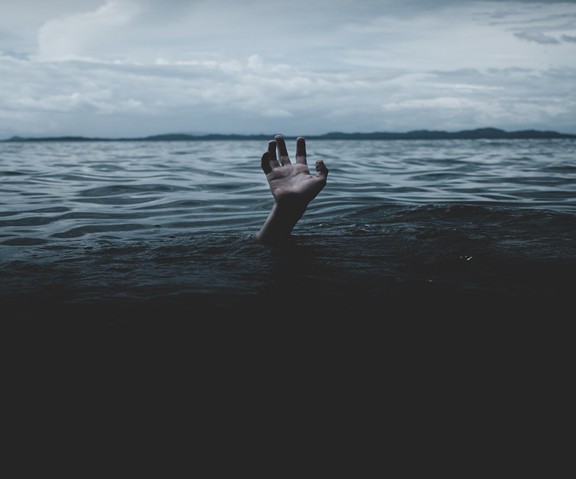
I am not of this new world. I remember a time when seeing a drowning child meant jumping into the water, not reaching for a phone. Today’s youth document tragedy instead of stopping it. They film a dying man and call it awareness, as if a hashtag could replace a helping hand. What kind of generation have we raised, one that values the spectacle of suffering over the act of saving? A drowning person doesn’t need your camera—they need your arm, your courage, your refusal to stand by and watch.
This is the sickness of our age. It’s not just the violence—it’s that we have learned to live with it. To record it instead of resisting it. To sigh instead of scream. The greatest tragedy isn’t the cruelty of the powerful; it’s the indifference of those who could fight back but choose instead to press “record.”
And now, we march blindly into an era of machines—cold, unfeeling entities with no tears, no sorrow, no trembling hands. Their brutality will not waver; their violence will not ache. They will kill without flinching, slaughter without remorse, because they feel nothing. They need no hatred, no ideology—only a command. A button pressed. An order given.
We have already fallen into a void of alienation, where action against injustice is smothered by indifference, while the hunger for fame and clicks grows ravenous. The modern ethic is no longer rooted in humanity but in its erasure. We do not save lives—we monetize them. We do not resist evil—we film it. The flood of violent imagery has not awakened our conscience; it has drowned it. We scroll past genocide like it’s just another ad, another post, another piece of content competing for our attention.
What happens when the machines take over? They will not inherit our compassion—only our cruelty, stripped of even the pretense of guilt. We are training them in our image: a species that watches suffering and asks, How many views will this get?