
The Conservatives have won. Now Britain’s own union and its EU membership are under question
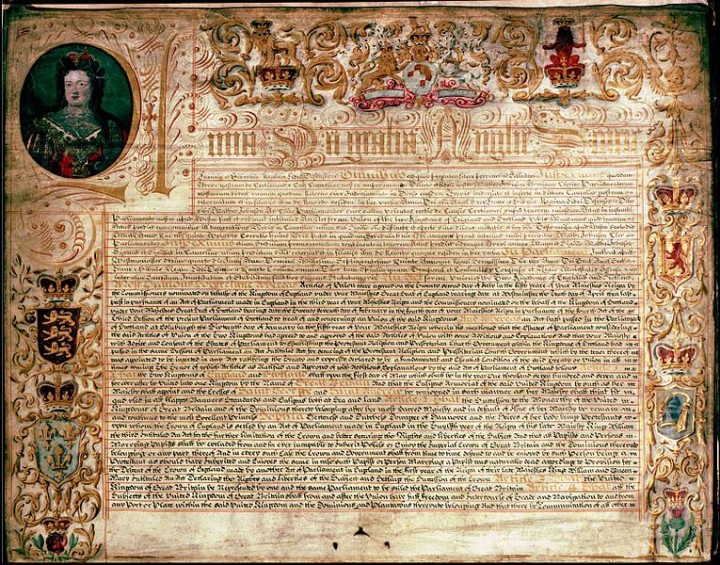
The Conservatives have unexpectedly formed a majority government, with Prime Minister David Cameron declaring it “the sweetest victory of all”. But what Britain exactly has he ‘won’?’ The Union is on the edge, and the world watches with puzzlement as it pens its suicide note. Cameron was never going to win Scotland, but with the Scottish National Party taking all but three seats, it will push for more powers if not, although officially ruled out, another referendum before the term is out. The anti-SNP scaremongering achieved nothing north of the border. But the Britain we woke up to today is held together by the toxic glue of English nationalism, and we are stuck with it.
Underlying all this is Europe. The trap of an in / out referendum has now, at long last, been sprung. As the 331 Conservative MPs raise their champagne glasses, they will be toasting the onset of civil war within their party. They have called it the “open wound” of British politics, but the ‘Europe question’ may prove fatal to both the government and to the British union, whatever the result. The SNP and the Welsh national party Plaid Cymru have demanded the referendum be conducted separately in each nation. Cameron will not allow this. The very prospect of the rest of the nations being overruled by England is enough to accelerate the break-up of Britain.
England’s politics are now defensive, nationalistic and intellectually bankrupt. Unfortunately, a second term for the Tories will not just be ‘more of the same’. The public has roundly rewarded their restructuring of UK society, sacrificing living standards, dignity in work and protection of the vulnerable at the altar of GDP growth. Exit from the EU is not likely, but the prospect drags us further into an isolationist reality, continuing the trend against recognizing the humanity of the other – whether outside of our own shores or within.
The Precarious Europe project, with openDemocracy, is part of a discourse aiming to help resurrect this shared humanity. We are doing so through the sharing of experiences across Europe and particularly between the young. The British media failed the public when covering these pivotal elections and is at its worst on Europe and their own faltering Union – the two crucial issues for at least the next two years. There is not enough engaging trans-European media in English to counteract the relative ignorance of the British public on what they still insist on describing as ‘the continent’.
In times of existential crisis, the instinct is for introspection. But for the Union to redefine itself, it must also understand Europe. UKIP’s pseudo-fascism is too often approached outside of the context of the European far right, which has been growing since the 1990s. Calls for independence and further devolution are also on the rise, yet Scottish and Welsh civic nationalism is rarely situated within the European trend.
Finally, there is the generational dynamic. The grey vote won the day for the Conservatives, while the SNP has managed to mobilise young voters where all other parties bar the Greens have failed. Britain’s ‘death drive’ is not shared by the under-35s, the generation that may live longest with its outcomes. Support for the EU is higher amongst the young, as it is for the agendas of parties like Syriza in Greece and Podemos in Spain that propose reform of the project from within.
The British public, if we can still use this term, have chosen. (Aside from national divisions, a third of people didn’t vote.) They will choose again before 2017. Precarious Europe hopes to contribute to the debate, not by taking a stance on the referendum, but by bringing together voices and readers from across Europe with fresh, enlightening perspectives. British readers, we think, need this kind of platform more than ever. There is no avoiding now the question of Britain’s identity and place in the world. Finding the answer also means looking to Europe.
This piece was first published on Precarious Europe