

Irshad Ahmad Mughal

Kicking for Peace: Youth, Sports, and the Spirits of NonViolence in South Asia
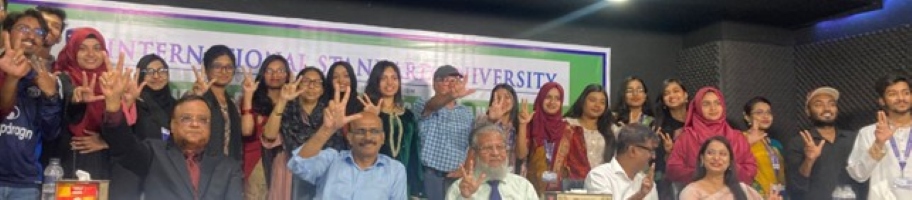
At the heart of Dhaka, the Sher-e-Bangla Agricultural University has become a vibrant hub for peace and non-violence, where the spirit of human unity is flourishing through sports, education, and intercultural exchange. This week, the campus resonates with excitement as…
Kicking for Peace: How Football Is Uniting South Asia

In a region too often divided by history, politics, and borders, it is easy to forget how much connects us — shared dreams, shared struggles, and a shared love for sport. Among these, football has quietly emerged as a force…
The Unblinking Eye: Fifty Years Along the Afghan Fault Line

My story is not one of a warrior, but of a witness. It begins in the hushed, anxious darkness of a village courtyard, under a canopy of indifferent stars. I was in the fifth class, a child nestled amidst the…
The Poisoned Wicket
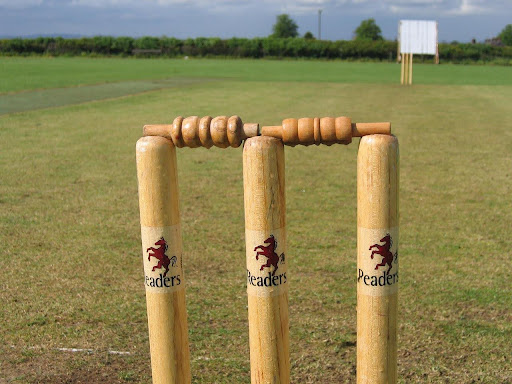
The ancient Olympic Truce, or Ekecheiria, was a sacred tradition where warring Greek city-states laid down their arms to allow safe passage for athletes and spectators. This ideal—that the playing field is a realm apart, a temporary sanctuary where rivalry is…
Beyond the West: The New Architecture of Eastern Power

The global balance of power is undergoing a profound and accelerated transformation, shifting its economic and strategic center of gravity from the West toward the East. This realignment, echoing Hegel’s dialectic view of history, is being dramatically hastened by recent…
The Illusion of Order: Power, Perception, and Paralysis in the Modern International Arena

by Irshad Ahmad Mughal We exist in an age defined by instantaneous information, where our understanding of global events is increasingly mediated by artificial intelligence, social media influencers, and algorithmic news feeds. This constant stream of content, while offering multiple…
Retreat, My Friend: On Being-Lost in the World and the Call to Authenticity

If you are living in a major city, as I do in Lahore, and you do not have a few minutes to think alone, to gaze out the window, and to focus your consciousness inward upon your very self—then you…
The Pedagogies of Mud: Re-learning Resilience in the Aftermath of Punjab's Floods
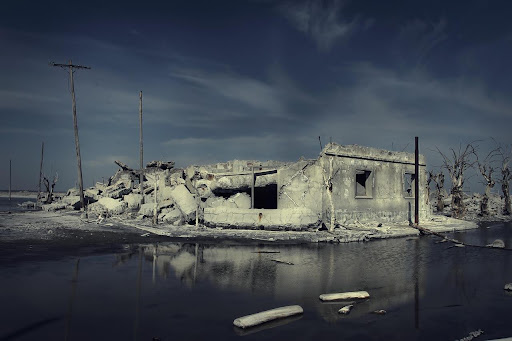
The reconstruction of flood-devastated rural Punjab demands a radical departure from conventional donor-driven aid models. Grounded in the transformative praxis of Paulo Freire, this framework proposes a holistic, community-led approach that integrates physical rebuilding with socio-economic liberation. The core principle…
Beyond the Defeat: Unpacking the Systemic Failures Holding Pakistani Football Back

Despite yesterday’s devastating defeat to Iraq in the U23 qualifying round, the potential for athletic excellence in Pakistan is not a myth. Our nation is a world champion in squash, hockey, cricket, and snooker, proving our inherent capacity to compete…
The Second Flood: Water, Disease, and a Deluge of Fear
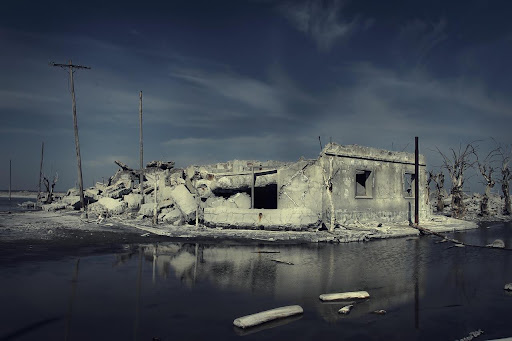
The recent floods in Punjab, Pakistan, present a formidable force of nature. The water, flowing from the northern highlands down to the southern plains, moves with an inexorable gravity. Its immense volume, destructive force, and dense, debris-filled current possess the…
Book catalogue

Training in Nonviolent Journalism

Documentary Catalogue

Every Sunday
