

Irshad Ahmad Mughal

A Humanist in Turbulent Times: Decler Hague’s Mission for Peace in Pakistan

In a time when the world feels increasingly unstable—borders tense with uncertainty, conflicts brewing between nations like Iran and Israel, and fear spreading across societies—there are still individuals who choose courage over comfort, and hope over despair. Pakistan today faces…
A World Shaken: War, Power, and the Collapse of Global Order
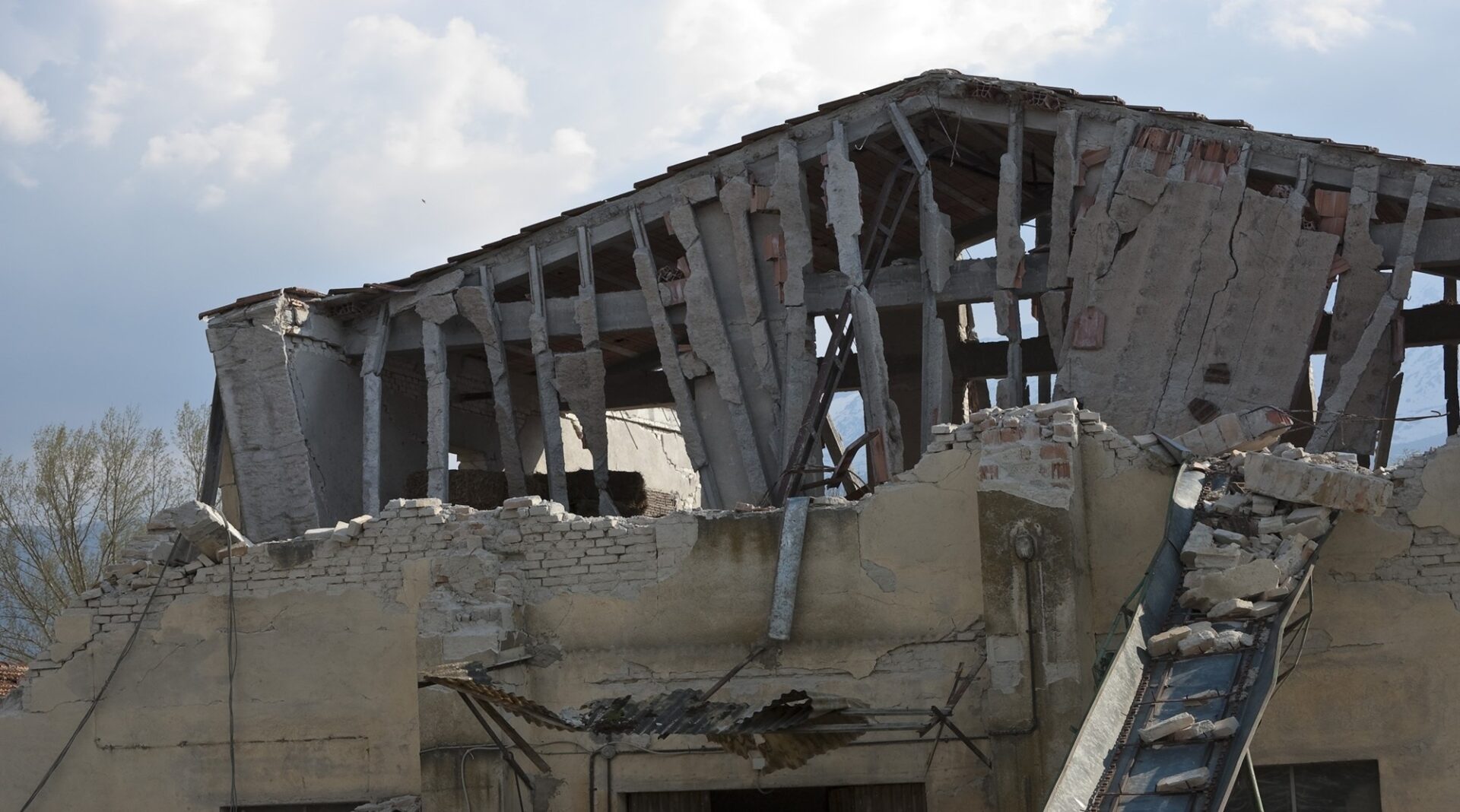
Throughout history, the world has witnessed countless wars, yet the ongoing conflict involving Iran, Israel, and the United States has sent shockwaves through the foundations of international relations, much like a powerful earthquake destabilizes the earth itself. Today, a sense…
America’s War Without a Cause
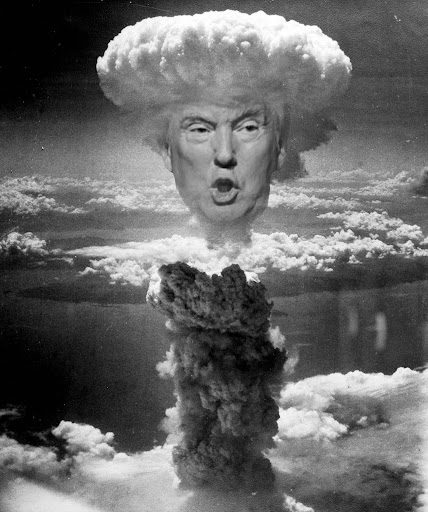
by Irshad Ahmad Mughal By any historical standard, wars are not won by firepower alone. They are won by clarity of purpose, unity of alliances, and belief in the cause. Today, in the unfolding confrontation involving the United States, Israel,…
The Hammer of Power and the Isolation of a Superpower

In international politics, power can be exercised in different ways: through diplomacy, persuasion, economic cooperation, and, when necessary, force. However, when a leader begins to rely almost exclusively on coercion and pressure, global politics can quickly become unstable. Strategic thinkers…
From Negotiation to Revolt: The Iran Conflict in the Shadow of Albert Camus
War rarely begins with missiles; it begins with words. Long before bombs fall and cities tremble under the weight of military power, conflicts usually pass through the corridors of diplomacy. Negotiations, agreements, warnings, and sanctions become the language through which…
War of Egos: When Leaders Turn Nations into Battlefields

Wars often begin with small skirmishes, gradually escalate into larger confrontations, and eventually subside when diplomacy, exhaustion, or changing realities force the combatants to reconsider. History offers many examples of conflicts that followed this familiar pattern. The ongoing confrontation involving…
War Without Victory: What the US–Israel–Iran Conflict May Lead To
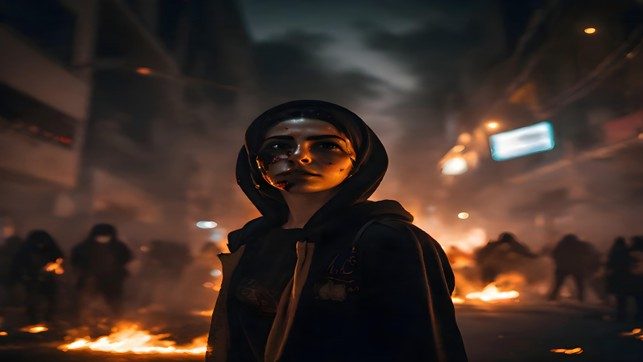
Sirens wail across cities, missiles streak through the night sky, drones buzz overhead, and smoke rises from shattered buildings. Cameras capture the glowing trails of rockets in the sky, sometimes appearing like fireworks to distant viewers. Yet behind those dramatic…
Power, Morality, and the Shadow of the Epstein Scandal
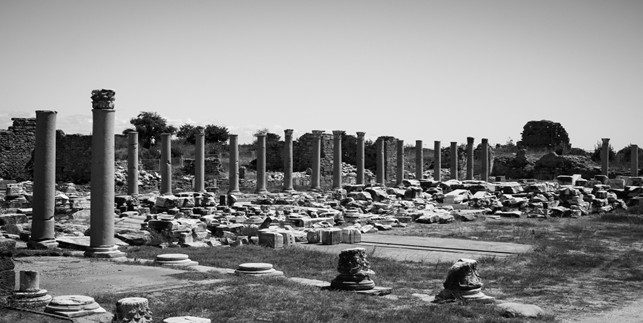
The ancient Greeks believed that those who govern society must possess not only power but also wisdom and moral virtue. The philosopher Plato famously proposed the idea of the “philosopher-king,” arguing that the ideal rulers should be individuals trained in…
Selective Justice and the Crisis of International Law

In recent years, a growing number of observers across the world have begun to question whether the principles of international law are applied equally to all nations. The ideals of human rights, sovereignty, and the rules of war are frequently…
When Empires Gamble With Fire
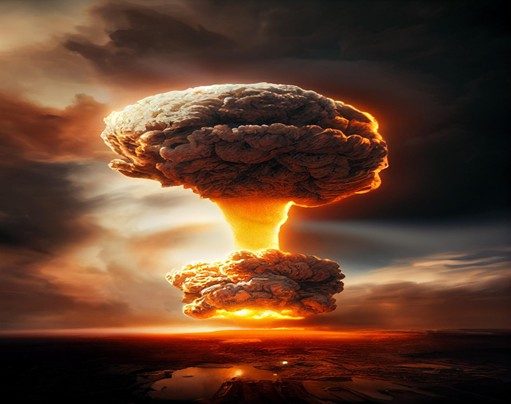
The confrontation among Iran, Israel, and the United States has entered a dangerous phase where retreat appears increasingly difficult, and the road ahead seems shadowed by destruction. When wars begin with the language of absolute victory and existential threats, they…
Book catalogue

Training in Nonviolent Journalism

Documentary Catalogue

Every Sunday