
On Friday, 19 December 2025, an investigation was opened at the Paris court against the state of Niger on charges of illegally selling quantities of uranium from the Arlit mine in northern Niger.
The Arlit site was managed for years by the multinational nuclear energy company Orano (formerly Areva), which benefited from advantageous agreements with previous Nigerien governments.
For decades, Orano obtained huge quantities of uranium at low prices in order to resell it worldwide at market prices with considerable profit margins.
A paradox has emerged over the years: while Niger’s uranium lights and powers numerous cities around the world, the country remains poor and its population suffers from a lack of essential services such as electricity, food, healthcare and education.
In July 2023, massive popular demonstrations in Niger deposed former President Bazoum and brought the National Council for the Safeguarding of the Homeland to power.
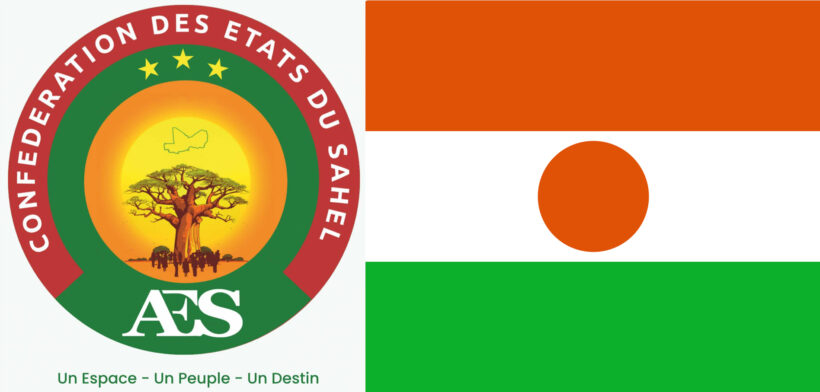
In September 2023, Niger, together with Mali and Burkina Faso, founded the Alliance of Sahel States (AES), which was then transformed into the Sahel Confederation in July 2024.
The Alliance was originally created to contain incursions by Al Qaeda and Islamic State, terrorist organisations whose creation is now publicly linked to multinational interests, including destabilising Africa and keeping its peoples backward in order to benefit from its wealth at low cost.
Since then, Niger has implemented various measures to recover its national resources. With the support of the confederation’s members, it has peacefully closed NATO military bases on its territory and restored the sovereignty of the Nigerien people over the country’s resources.
In June 2025, following a review of contracts, the state of Niger nationalised the Arlit mine, cancelling agreements stipulated with previous authorities, considering them to be “unilateral and disadvantageous to the interests of the Nigerien people”.
The multinational company Orano is now attempting to denounce this decision as theft against it by Niger.
Niger responds through its president, Abdourahmane Tiani: ‘We have taken back our uranium and returned it to the nation. It now belongs to the people of Niger. This wealth is ours, not someone else’s, so we will not ask anyone’s permission to sell it.’
After centuries of colonial plundering, awareness is growing among the emerging peoples of the global South, who today represent 85% of humanity.
Will the peoples of NATO countries succeed in emancipating themselves from their own war-mongering elites, accepting the new multipolar world and establishing new reciprocal relations with emerging peoples? PS.
The concern about the dangers of civil and military nuclear power highlighted by environmentalists is as legitimate as the need to move towards clean energy sources. In this case, the question concerns the 430 nuclear reactors already in operation around the world and not whether Burkina Faso (or any other emerging country) has the ethical right to build its own power plant to meet the basic needs of its people.