

Shayan Moradi

The Empire of Double Standards

Gaza, Iran, and the Machinery of Western Power For decades, the United States and its transatlantic allies have presented themselves as the guardians of democracy, freedom, and human rights. Yet across the Middle East, this moral narrative has repeatedly collided…
Peace Abroad, Gallows at Home: A Violent Contradiction Inside Iran

In recent days, as diplomatic corridors fill with talk of “de-escalation” and a “temporary peace” between Tehran and Washington, a very different reality is unfolding inside Iran—quieter, less visible, but deeply painful. While the world watches negotiations and geopolitical shifts,…
The Uncertain Extension of the Ceasefire: A Narrow Window for Diplomacy
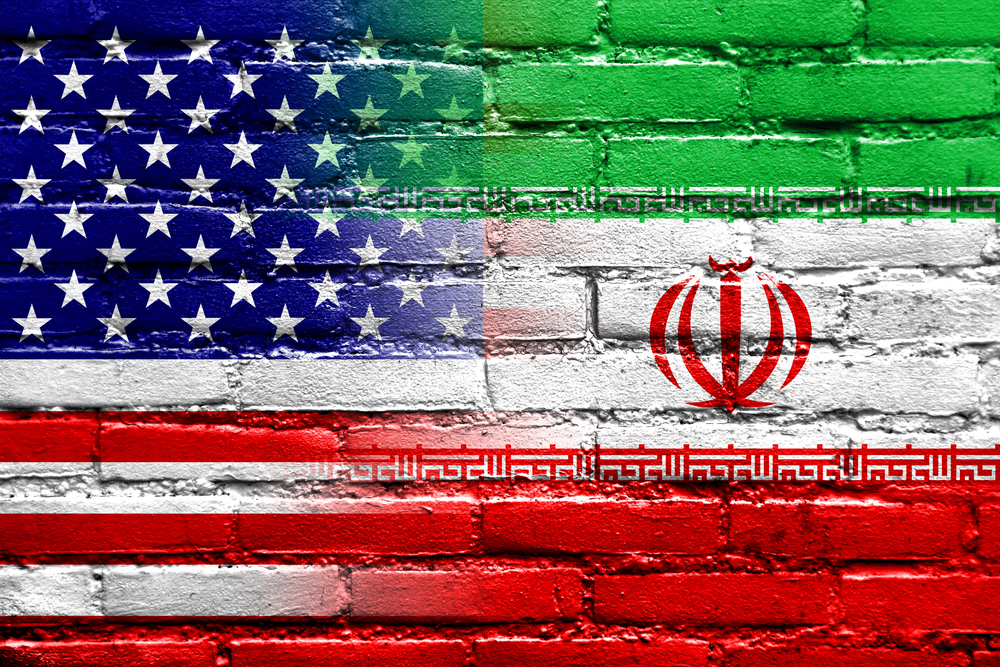
In the final hours of his previously announced 14-day deadline for a ceasefire with Iran, U.S. President Donald Trump initially stated that the truce would not be extended. However, just hours before the deadline expired—and following a meeting with Vice…
She Had a Name: Ghazal Mowlan and the Human Cost of Conflict
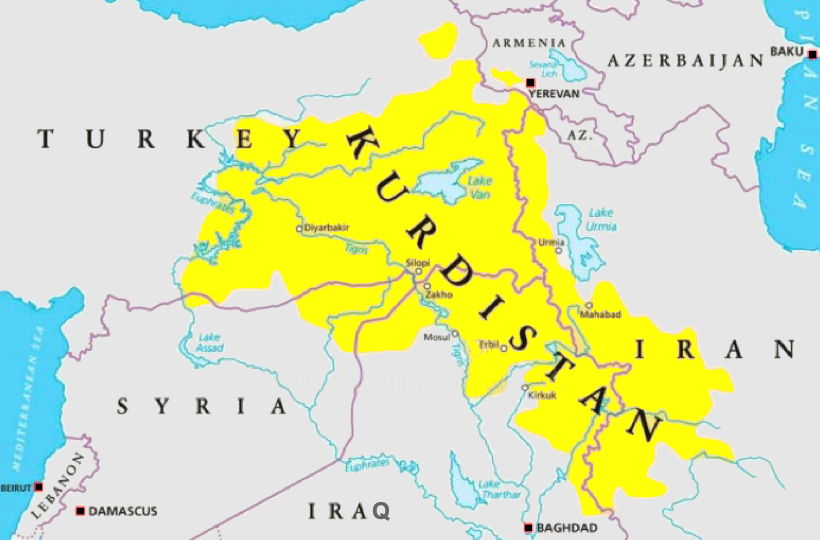
A Kurdish fighter named Ghazal Mowlan, originally from Mahabad in northwestern Iran, has died after being seriously wounded in a drone attack carried out by Iran’s Islamic Revolutionary Guard Corps (IRGC). The attack targeted a camp belonging to the Komala…
Iran was supposed to fall, so why is it still standing?
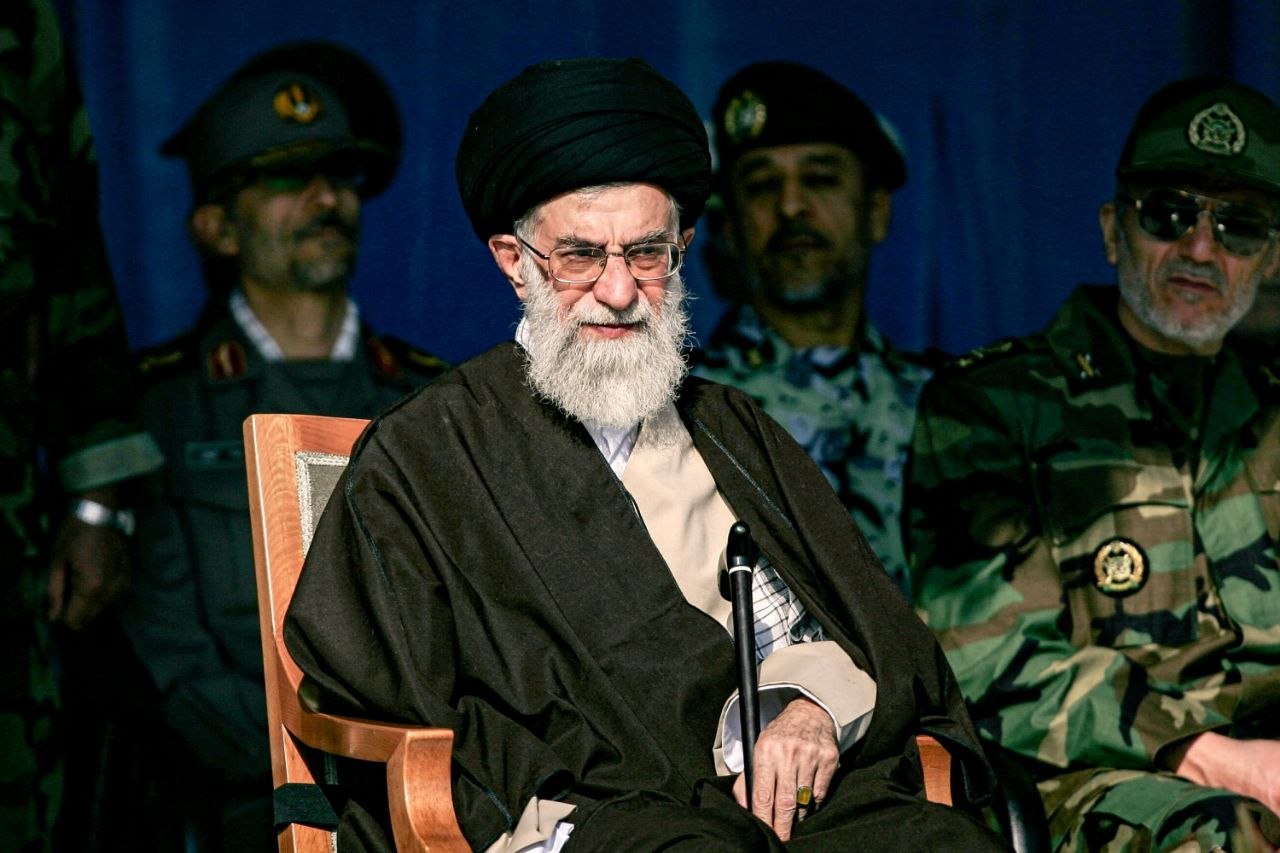
A structural analysis of power, resilience, and political survival in Iran This text is not written to defend a system, nor to justify it. It is an attempt to understand. To understand why a system that, by many expectations, should…
Children in the Line of Fire: From Domestic Repression to War in Iran
Amid geopolitical tensions, military strategies, and competing political narratives, one reality remains undeniable: In today’s Iran, children and students are no longer on the margins of crisis. They are increasingly at its center. Not as participants, but as victims. …
The congress for Iran’s freedom in London: rethinking transition beyond power struggles
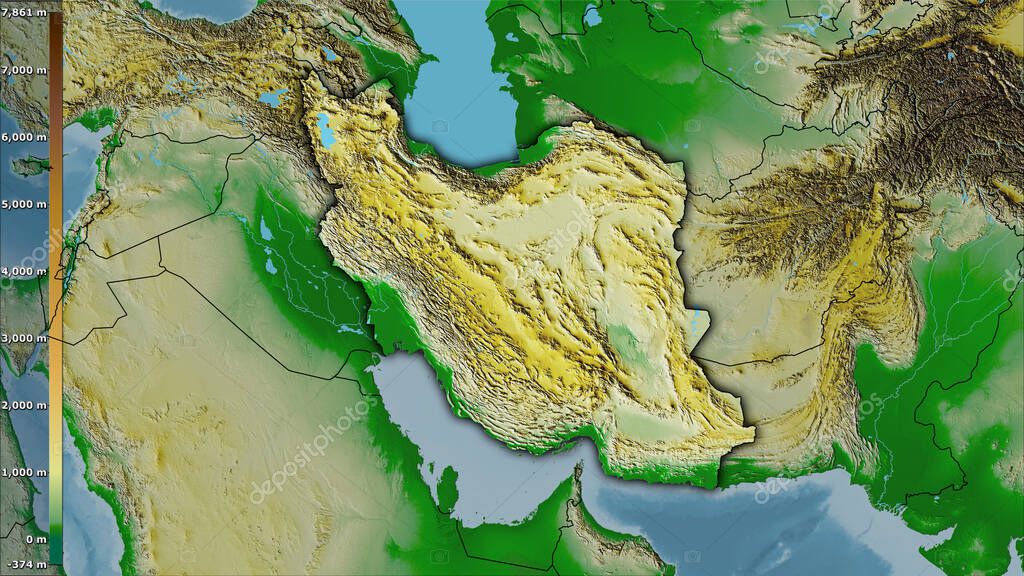
At one of the most critical moments in contemporary Iranian history—marked by deep political crises, social fractures, and economic instability—initiatives that can bring together fragmented forces within a shared framework of dialogue are of fundamental importance. In this context, the…
When energy becomes a target: the risk of an electrical collapse in Iran
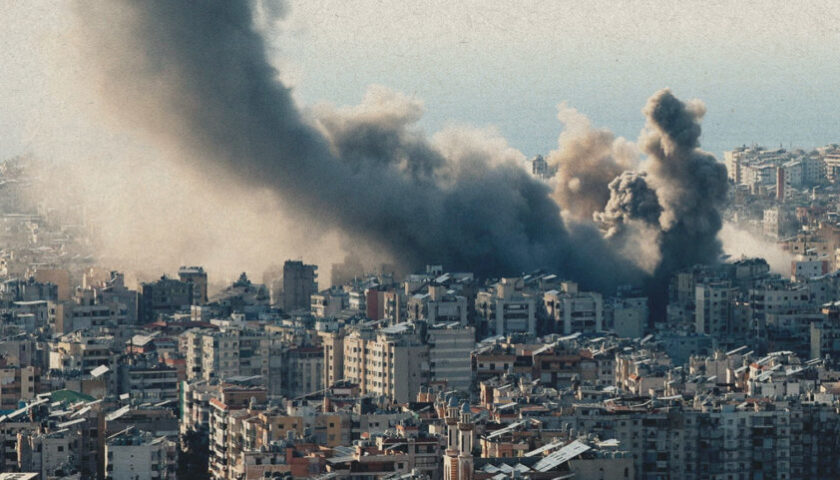
In modern warfare, there is an unwritten rule: striking energy infrastructure means striking the very heart of a society. It is not only about military objectives or geopolitical strategies. Energy is what keeps hospitals, transportation systems, water supply networks, industries,…
Iran between war, authoritarianism, and the risk of an uncertain future
In the past twenty days, the conflict involving Iran, Israel, and the United States has entered a new and dangerous phase of military escalation. While governments discuss deterrence, strategy, and regional security, the reality on the ground appears very different:…
Book catalogue

Training in Nonviolent Journalism
Documentary Catalogue

Every Sunday