

Shayan Moradi

18 Young Kurds in the Mediterranean: A Journey That Began with Hope
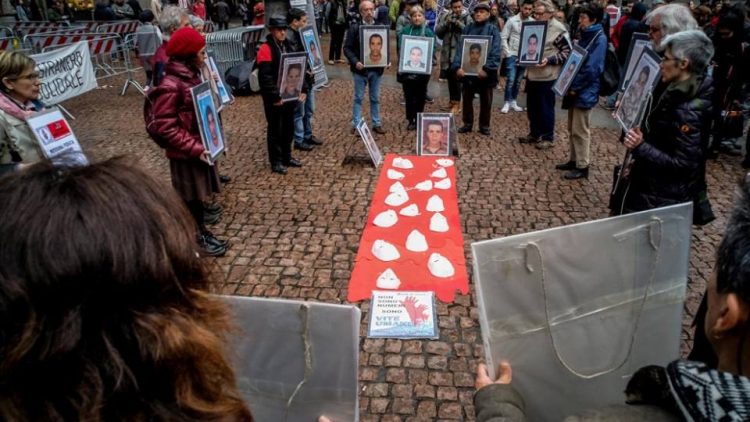
They were not simply “migrants.” They were 18 young Kurds who decided to leave their homeland with a simple hope: to reach Europe and build a better life — a normal life, with safety, dignity, and the possibility of looking…
War, Sanctions and Everyday Life: Iran Under Growing Pressure

In recent days, the United States has once again intensified its attacks against Iran. According to reports, these attacks have targeted military objectives, strategic infrastructure and residential areas, resulting in the deaths and injuries of numerous civilians and military personnel.…
The World Seems to Be Getting Worse: Why?

We live in the most advanced era in human history; an era in which humanity has reached the Moon, created artificial intelligence, and cured diseases once considered fatal. And yet, at the same time, we continue to witness wars, genocides,…
United States strikes Iran again with widescale attacks; civilians and young conscripts killed in the south

Once again, war has taken a toll on ordinary lives. The United States launched a new wave of attacks against Iran in recent days, hitting and destroying numerous civilian infrastructures and infrastructures tied to the daily life of the population.…
The End of an Era: From Death to Burial of Sayyed Ali Khamenei, Chronicle of a Historic Transition in Iran
At dawn on 28 February 2026, Iran’s contemporary history entered a new and unprecedented phase, beginning with the roar of explosions over Tehran and ending, months later, amid war, mourning and uncertainty, at the shrine of Imam Reza in Mashhad.…
Beyond Enrichment: Iran’s Nuclear Threshold and the Logic of Deterrence
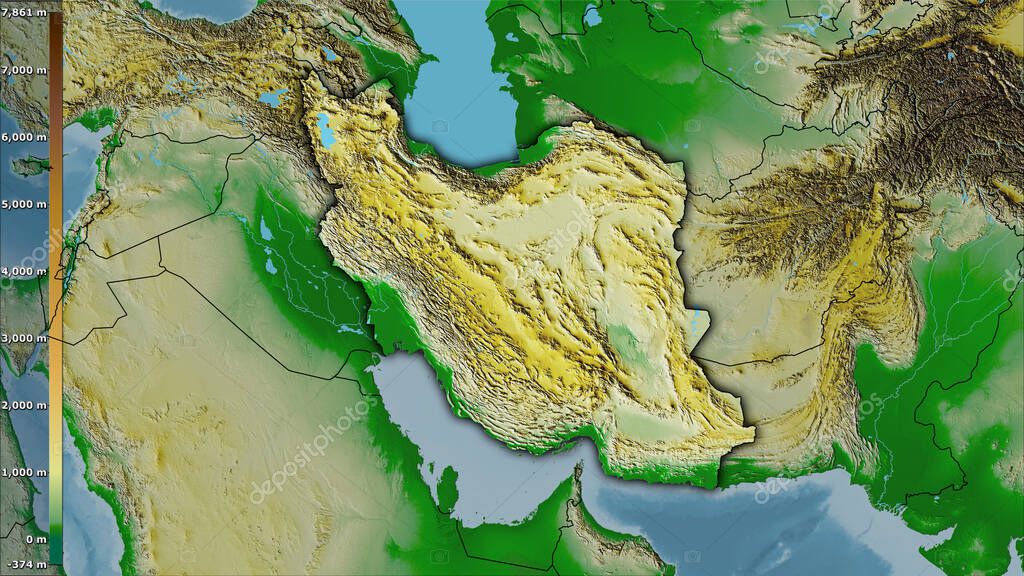
Introduction: The Cycle of Attrition and the Strategic Deadlock Since the end of the Second World War, nuclear deterrence has become one of the fundamental pillars of the international security order, but its effectiveness in addressing regional crises remains a…
Iran–US Negotiations: Lasting Peace or the Prolongation of Crisis Management?
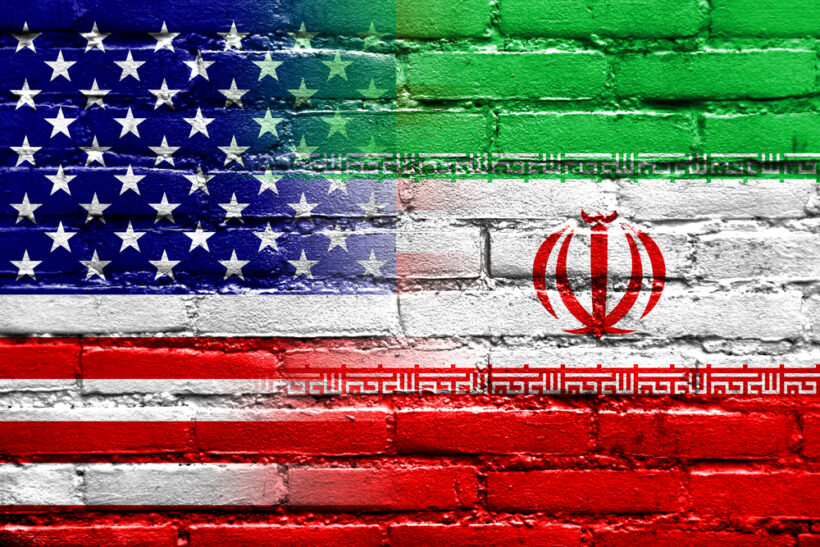
In recent weeks, the long-standing confrontation between Iran and the United States has once again moved to the center of geopolitical developments in the Middle East. A new round of diplomatic talks, growing speculation over the release of part of…
From Memory to Recognition: Rome Confronts the Legacy of the Anfal Genocide
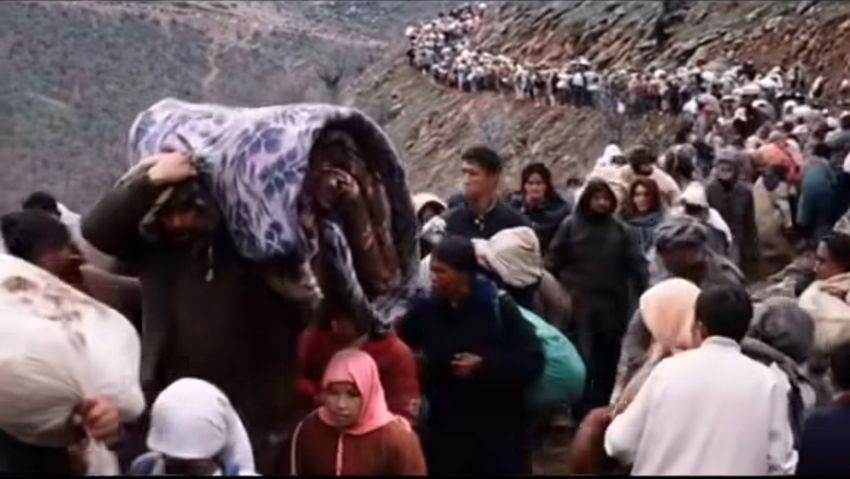
In an era where geopolitical convenience often eclipses historical truth, the struggle against collective amnesia remains one of the most important forms of human rights advocacy. A significant milestone in this effort was recently achieved in the heart of Europe’s…
Echoes of Silence in Kurdistan

The Killing of the Vaisi Brothers and the Cost of Cultural Identity in Iran While the geopolitical chessboard of the Middle East constantly dominates global headlines, a silent and deadly domestic campaign continues to unfold within Iran’s marginalized provinces. On…
The Empire of Double Standards

Gaza, Iran, and the Machinery of Western Power For decades, the United States and its transatlantic allies have presented themselves as the guardians of democracy, freedom, and human rights. Yet across the Middle East, this moral narrative has repeatedly collided…
Book catalogue

Training in Nonviolent Journalism

Documentary Catalogue

Every Sunday